Short visit in Swatow

Shantou / 汕头 in Guangdong province is famous for its food and seaside. It is also the location of Swatow former concession. This was the opportunity for a short trip.

Although located half way between 1842 original concessions of Hong Kong et and Xiamen, Swatow was only opened as a treaty port in 1860 with the treaty of Tianjin. British and American consulate opened on Mayu island of the cost in 1860. The British Consulate later moved to Queshi, on the other side of the river to Swatow city. The American Consulate moved to Kia Lat area, on Tai-Malo street (today 外马路) area. Other consulates opened in the same area including Japanese, German, Norwegian and French, along with a Astor House hotel. At the time, the road was close to the river, but land has been reclaimed here since and the area has changed a lot.
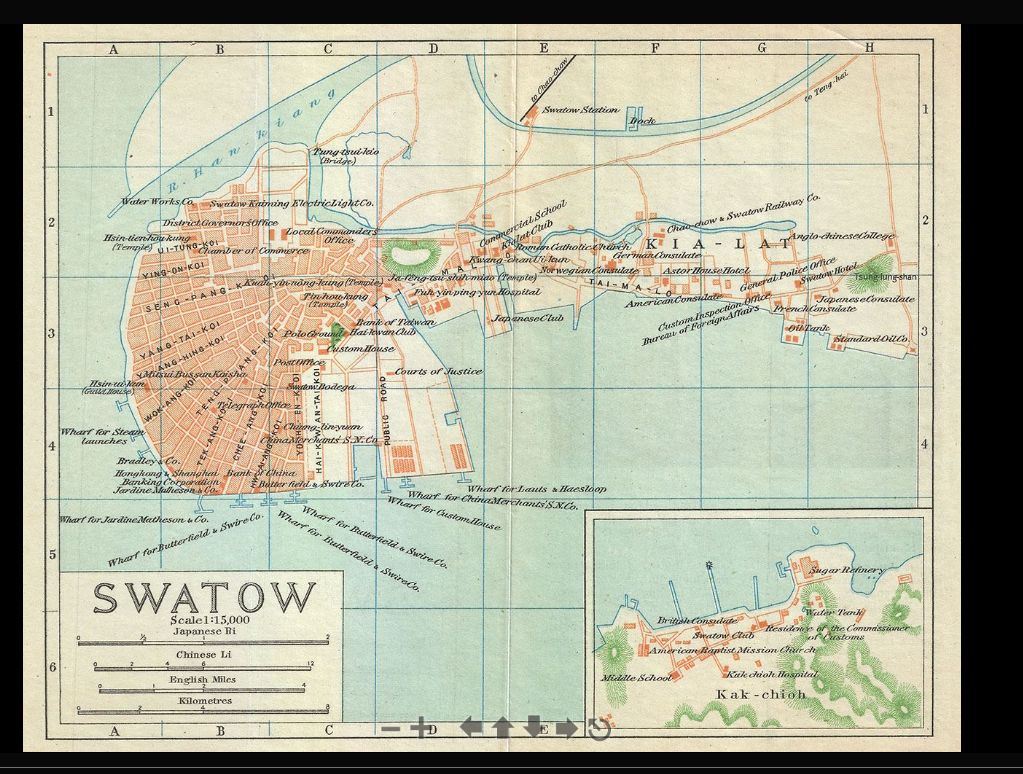
1924 Japanese map of Swatow

Large trading houses were located further West, around the most densely populated area. They included usuals Butterfield & Swire, and Jardine & Matheson as well as China Merchants. Banks such as HSBC and Bank of China were also located close to the keyside.
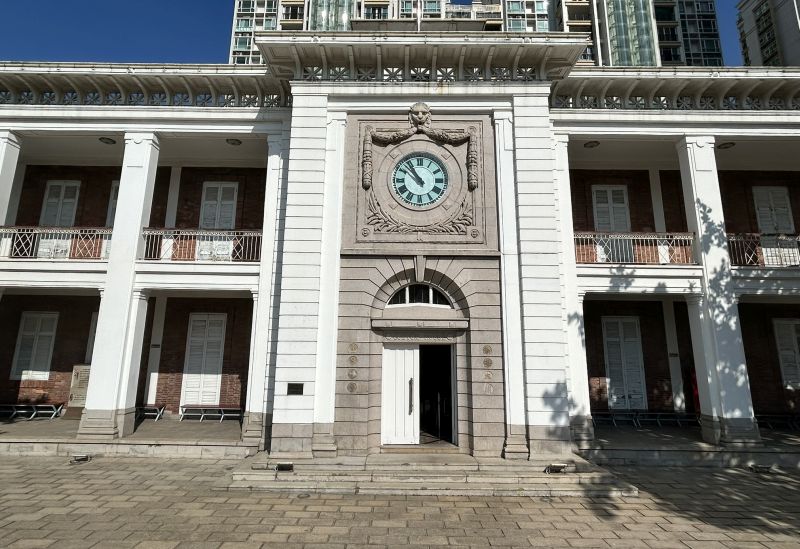
Original Swatow customs

Although most of the sea side buildings have disappeared, the road going from the riverside inland has some interesting spots, starting with the Customs house on the riverside, that is now a museum. Hidden in the same area are the former customs quarter, but they are off limit for visitors. Further up is the Post Office that is still in use as its original function.
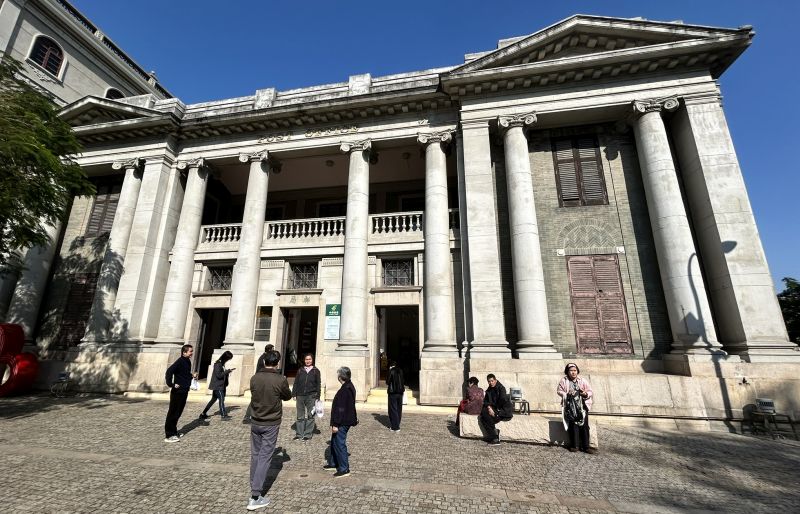
Swatow Post Office

Going further up, one encounters the beautiful Art Deco Bank of Guangdong building built in 1935 by Guangzhou architect Yang Xizong 杨锡宗.
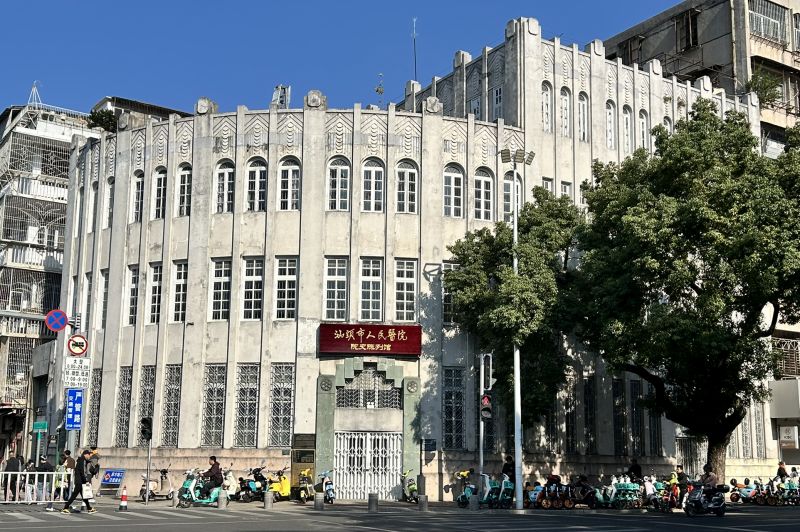
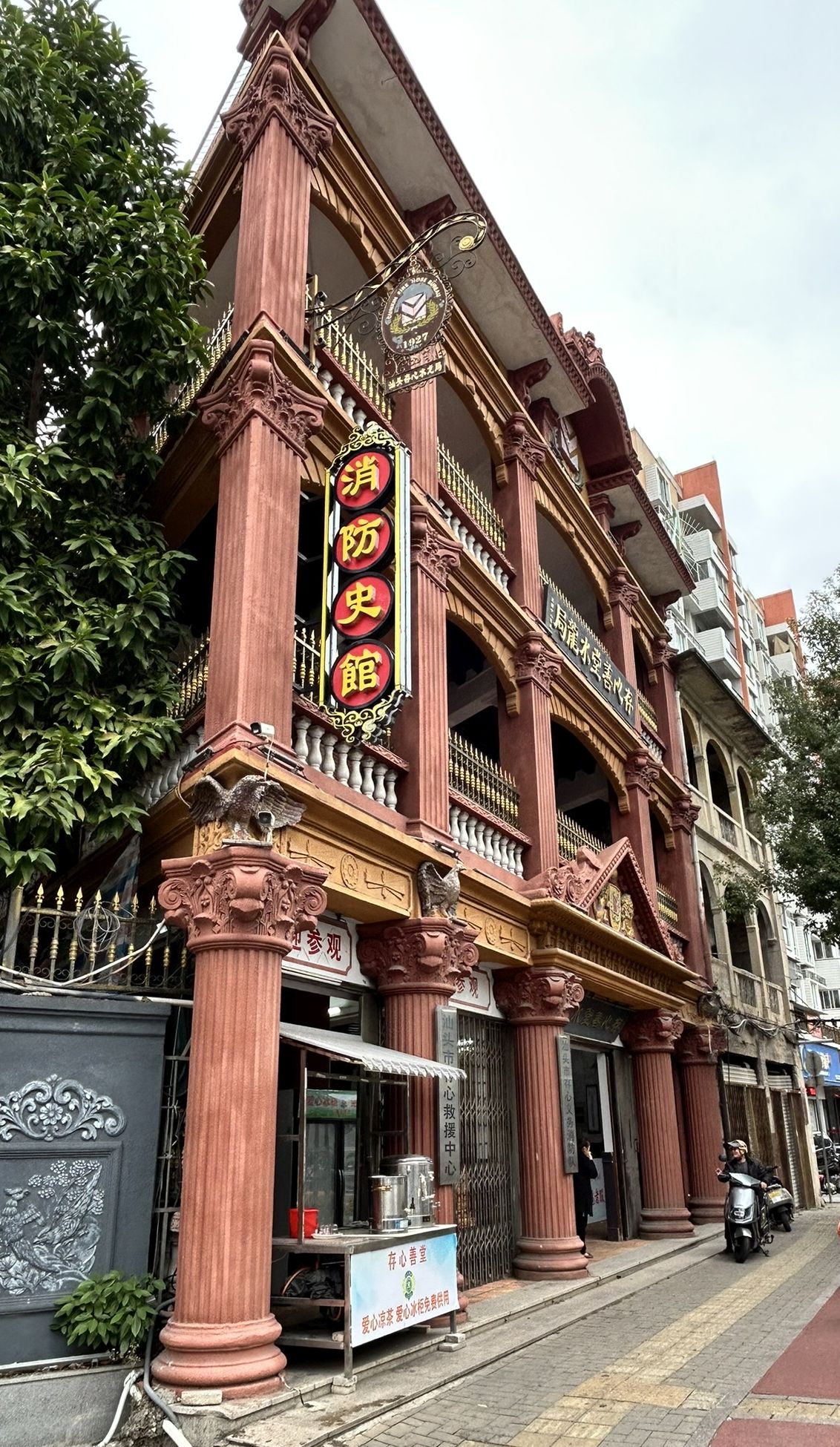
Further up is the beautiful guan yin miao 观音庙 temple and the old fire station with the hospital opposite to it (this is still the site of today’s Shantou hospital).
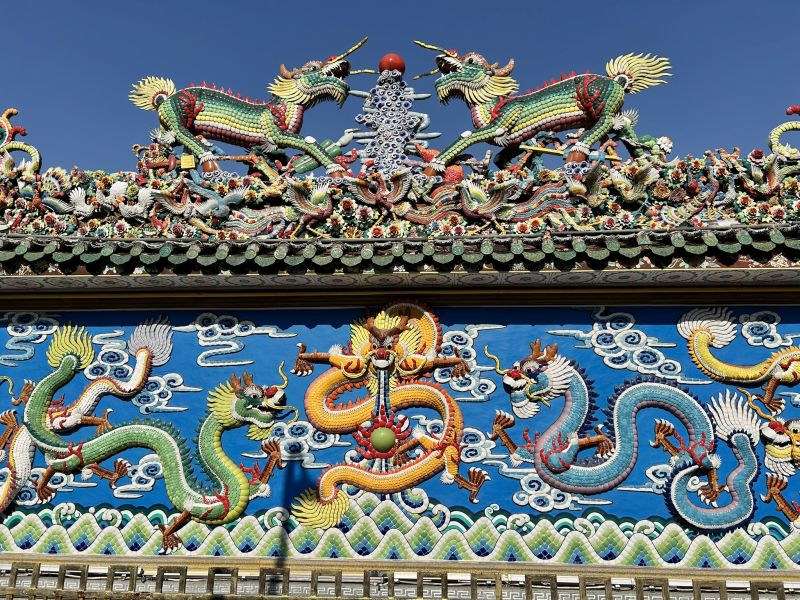
Guan Ying Miao Temple
Former fire station

Further up on the road was the Consulate area. A French consulate official was dispatched in 1904 and the actual consulate opened in 1906. The building indicated on the 1924 map was built in 1923, located 11 Da Hua Road. Unfortunately, this building does not exist anymore.

Swatow did not have much trade with French companies, and France did not consider Swatow to be an important posting. Consular representative changed very frequently and often complained of the lack of activity. Looking into the foreign population of Swatow in 1933, I only found a few French people. Apart from PC Leblanc who was running the post office, and Jules Leurquin who was the French Consul, the only other French people were missionnaries.

This post focused on Tai-Malo street (today 外马路) were foreign consulates were located. Further posts will focus on Swatow old town and its beautiful architecture.

Shanghailander articles are published on an irregular basis. To be notified when a new article is posted, subscribe to the newsletter using this link, or follow the Shanghailander Facebook page.

Souvenir from Shanghai

Old Shanghai postcards from the 1930s are common to find in auctions on the internet. What is much rarer are postcards from before WW1. Here is a fine example from 1907 sent from Old Shanghai to France.

Postcards were invented in the late 19th century, originally one side for the address and one side for the message. The real modern postcard is called “divided back”, still in use today. It was officially adopted in the UK in 1902, France in 1903 and by the Universal Postal Union in 1907. This postcard from 1907 must have been one of the early ones.

The card is stamped 20th jun 07. China only joined the Universal Postal Union in March 1914. Before that, major countries had their own post office in Shanghai, including the German post office on Guangdong Lu. The French post office where this postcard was posted was probably on Rue Montauban (today Sichuan Nan lu / 四川南路) close to Rue du Consulat (Jinling Lu / 金陵路) as seen on the below map of the French Concession in 1900.

As this was posted in a French Post Office, this stamp is also French. It shows “République Française” on the top and “Chine” on the bottom. So this was truly posted at a French post office in China. It is stamped “Shang-hai / Chine”.

This card is multi-views postcard, those were the luxury type of postcards according to Thomas Brandt’s “China in those days'”, the reference book on the topic. The illustration looks like two photos that seems to have pinned on the main card, along with some “Chinese” elements including a triangular yellow flag, pane tree leaves and Chinese lanterns. The caption “Souvenir from Shanghai” is on a banner. Picture left is of Hongkou market, captioned “Central market”. The Central Market or Hong Kou market was located on Woosung Rd / 吴淞路.

Picture right is “Broadway” the main street of the Hongkou side of the concession, that used to be the American concession until 1863, today Damin Lu / 大名路. Although it is captioned souvenir from Shanghai, it is only made of two views from Hong Kou district, so it is more like “Souvenir from Hongkou”. A specific shop is represented on the left side of the picture, “Japanese Art Curios and Leather Goods”. Its title is noticeably clear compared to other shops. Funny enough, on can clearly see postcards on sale in the front windows. The card probably bought in a store just like this one.

The card was sent from Shanghai to maritime military base in Brest, France. The receiver was Jean Gaget, an officer on the French navy ship Dupetit-Thouard, an armored cruiser. Since the card was sent from a friend to a navy soldier, it was probably sent by a mariner on a stopover in Shanghai.

Shanghailander articles are published on an irregular basis. To be notified when a new article is posted, subscribe to the newsletter using this link, or follow the Shanghailander Facebook page.