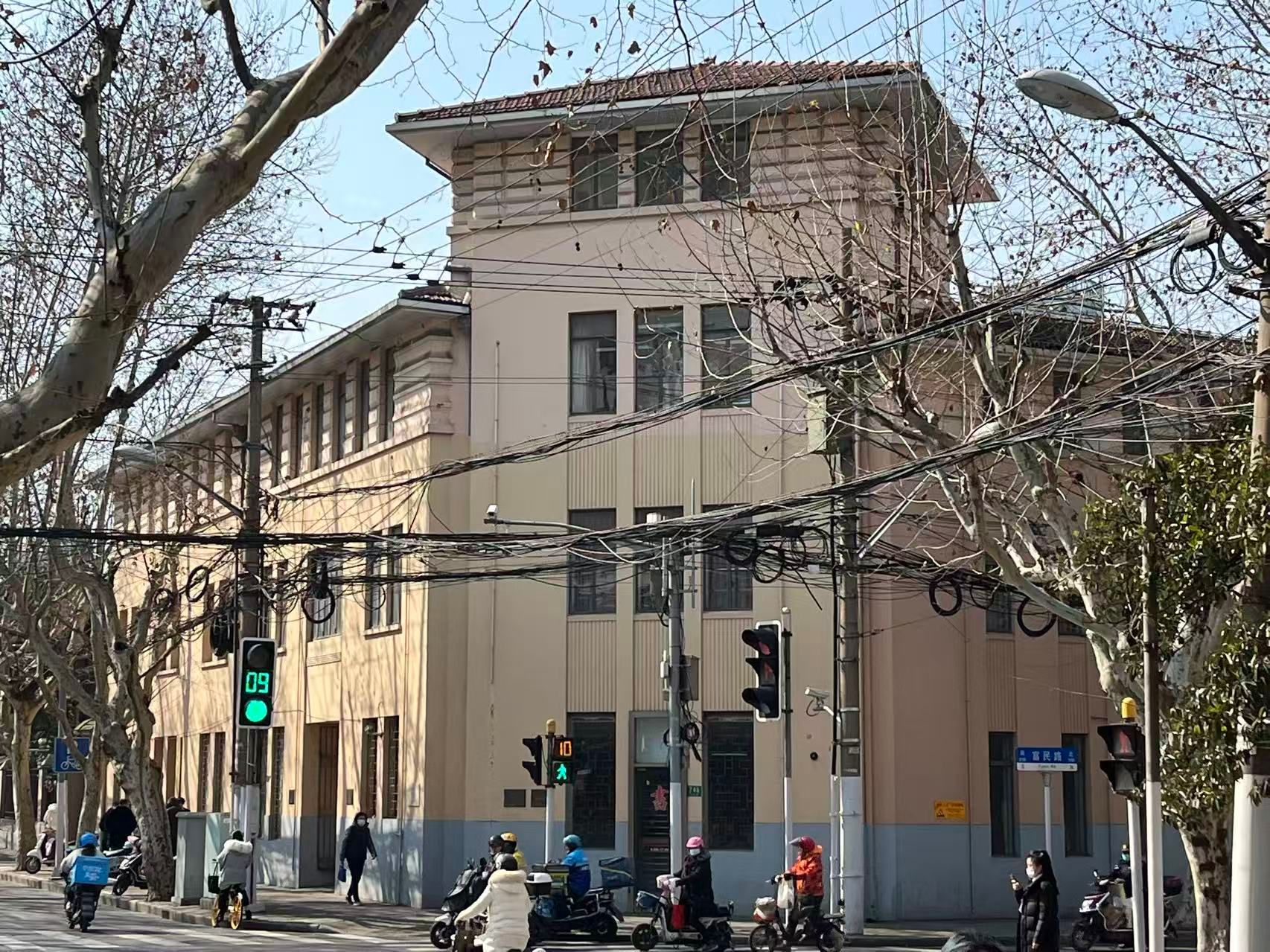
Hezhong Library

Hezhong library building, corner of Changle lu and Fumin lu

I have passed hundreds of times in front of the building at 746 Changle lu, at the corner of Rue Bourgeat (now Changle lu) and Rue Amiral Courbet (now Fumin Lu). Although an old building, it is quite large with a modernistic style, occupying a large plot at the streets corner. Here is its story.

This remarkable modernist / art deco building was built for the Hezhong library / Hou Chung library / 合众图书馆. The library was created in 1939, by industrialist Ye Jingkui, together with Zhang Yuanji and Chen Taoyi. Ye Jingkui was a great collector of books and he wanted to pool private collections in a safe place. At that time, Shanghai was already occupied by Japan, apart for the International Settlement and the French Concession. The massive collection of Shanghai’s Oriental library had been destroyed along with the Commercial Press building in 1932. The group wanted to preserve Chinese culture and historical book collections. It is then no surprise that the library was built in the French Concession, a place that was safe at the time.

Besides the founder’s collections, the library acquired rare books as well as manuscripts, correspondence, inscriptions and rubbings, periodicals, photographs and made them available for researchers. At that time, libraries were the real receptacle for knowledge and were highly treasured. Other exemples of important libraries in Shanghai included the Shanghai branch of the Sino-International library, the Hung Ying library, the Royal Asiatic Society Library and Jesuits library in Xu Jia Hui. In 1958, the Hezhong library’s collection was merged into Shanghai library, probably along with the above mentionned.

The library building dates from 1940. It takes elements of Chinese traditional symbols with modern western architectural structure. As it is higher than the neighbors and located in a street corner, it really stands out.
Terrazzo patterns on the building floor

It was designed by Chinese architect Chen Zhi / 陈植, who was born in Hangzhou. He first studied in Tsing Hua university in Beijing, before being sent to the USA to study architecture at Pennsylvania University in 1923. He completed his study in 1928, after winning an architectural competition in 1926. He worked one year in Ely J.Kahn architect firm in New York, which is famous for some the New York skyscrapers.
The three founders of Allied Architects

Chen Zhi returned to China in 1929, reaching Shanghai in 1930. He then founded Allied Architects / Huagai Architects / 华盖建筑师事务所 along with other fellows from Tsinghua / Penn State University, Zhao Shen and Tong Jun. Together, they designed several famous buildings, including the Metropol Theater, the lyric theater (now Huangpu Theatre, 黄浦剧场), Zhong Shan hospital and several official buildings in Nanjing.
Hezhong library staircase

The building has been renovated in 2025, while keeping an original feel. It is free to visit and also enclose a small museum about the original Hezhong library. Too bad it is only in Chinese.
Hezhong library museum

Shanghailander articles are published on an irregular basis. To be notified when a new article is posted, subscribe to the newsletter using this link, or follow the Shanghailander Facebook page.
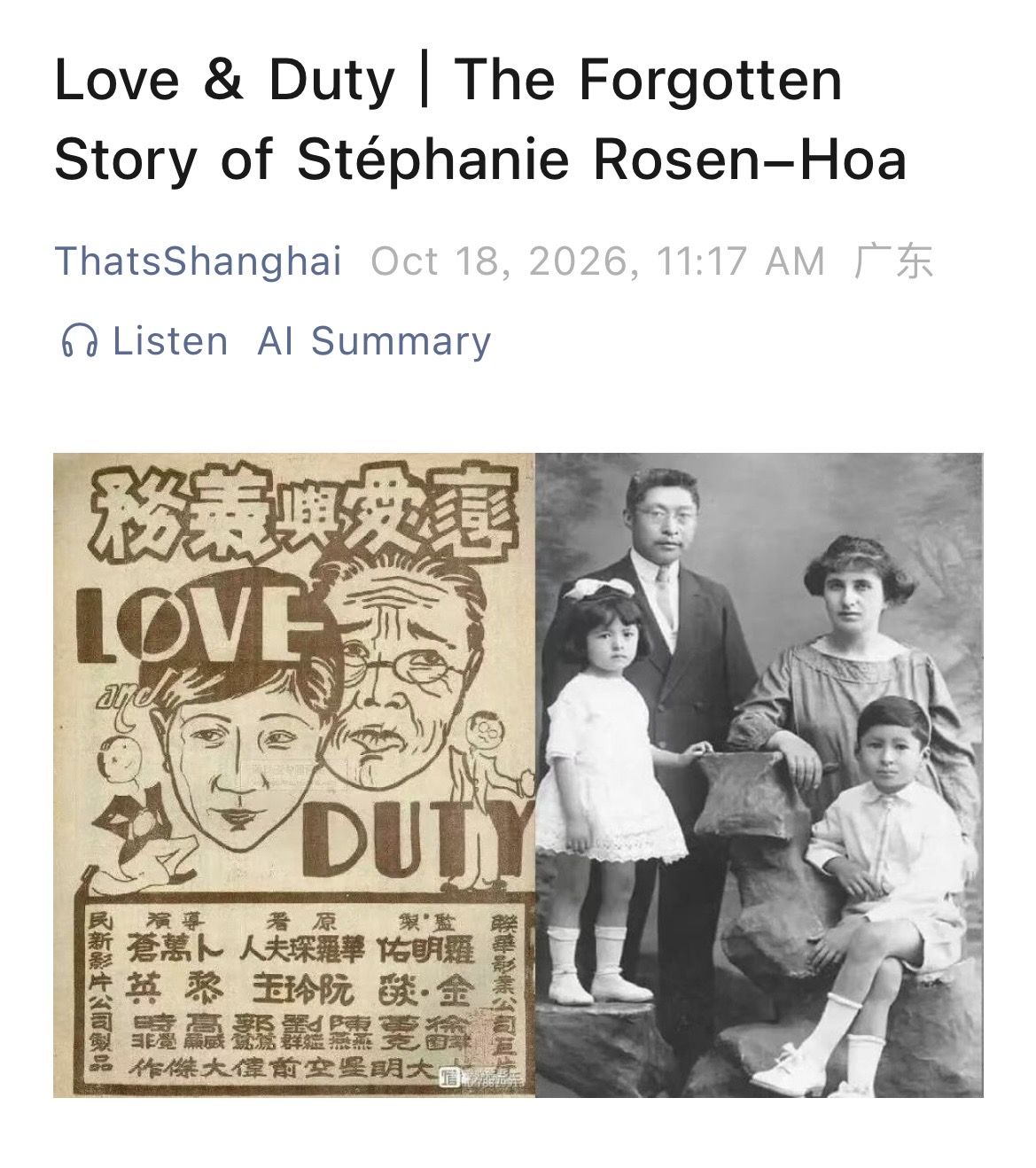
That’s Shanghai article on Horose

The story of Love & duty and her author Stephanie Rosen-Hoa has attracted the attention of Shanghai based media That’s Shanghai. They published an article about it in today’s weekend edition.

Full article: https://mp.weixin.qq.com/s/VXC9WTfOOSccSfeKn9kC4g

Shanghailander articles are published on an irregular basis. To be notified when a new article is posted, subscribe to the newsletter using this link, or follow the Shanghailander Facebook page.
Sijing Ancient Town, birthplace of Joseph Ma

Although Shanghai was the largest city in Asia in the 1930s, the area covered by Old Shanghai was much smaller than today’s city. I mostly write about central Shanghai, but suburbs that were not part of Old Shanghai are also of interest. Recently, I headed to Si Jing Ancient Town / 泗泾古镇.

Si Jing town has long been an important city close to the major town of Huating in Jiangsu province. This area was attached to Shanghai in 1958, becoming the district of Song Jiang. A few streets next to a canal have been kept and are now a pedestrian street. Although it is not the biggest old town around Shanghai, it is much quieter than superstars Zhujiajiao / 朱家角 or Qibao old town 七宝镇, a perfect half-day trip during national holidays.

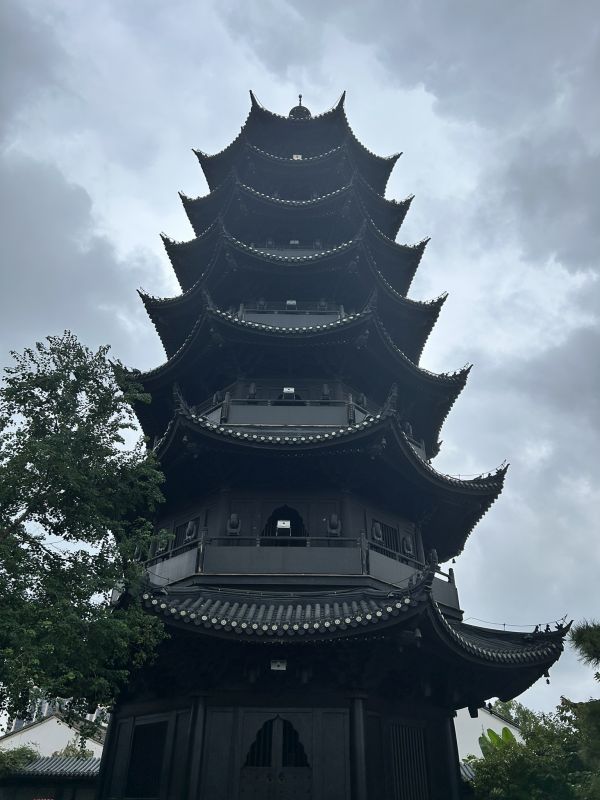
Anfang Pagoda 安方塔

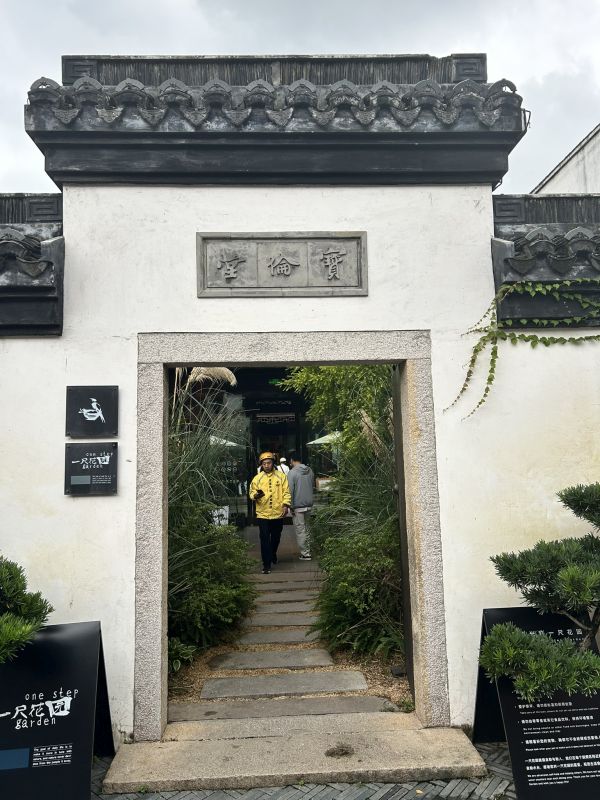
Sijing’s main attraction is surely Anfang Pagoda 安方塔 and the old streets around. A number of shops have opened there, but the atmosphere is still quiet. Of the nice spot is the One Step coffee, located in a renovated mansion. It is part of the chain of coffee shops and restaurants that are all located into scenic and atmospheric locations (more info on: https://jaapgrolleman.com/one-step-garden/).

One Step Garden in Sijing old town

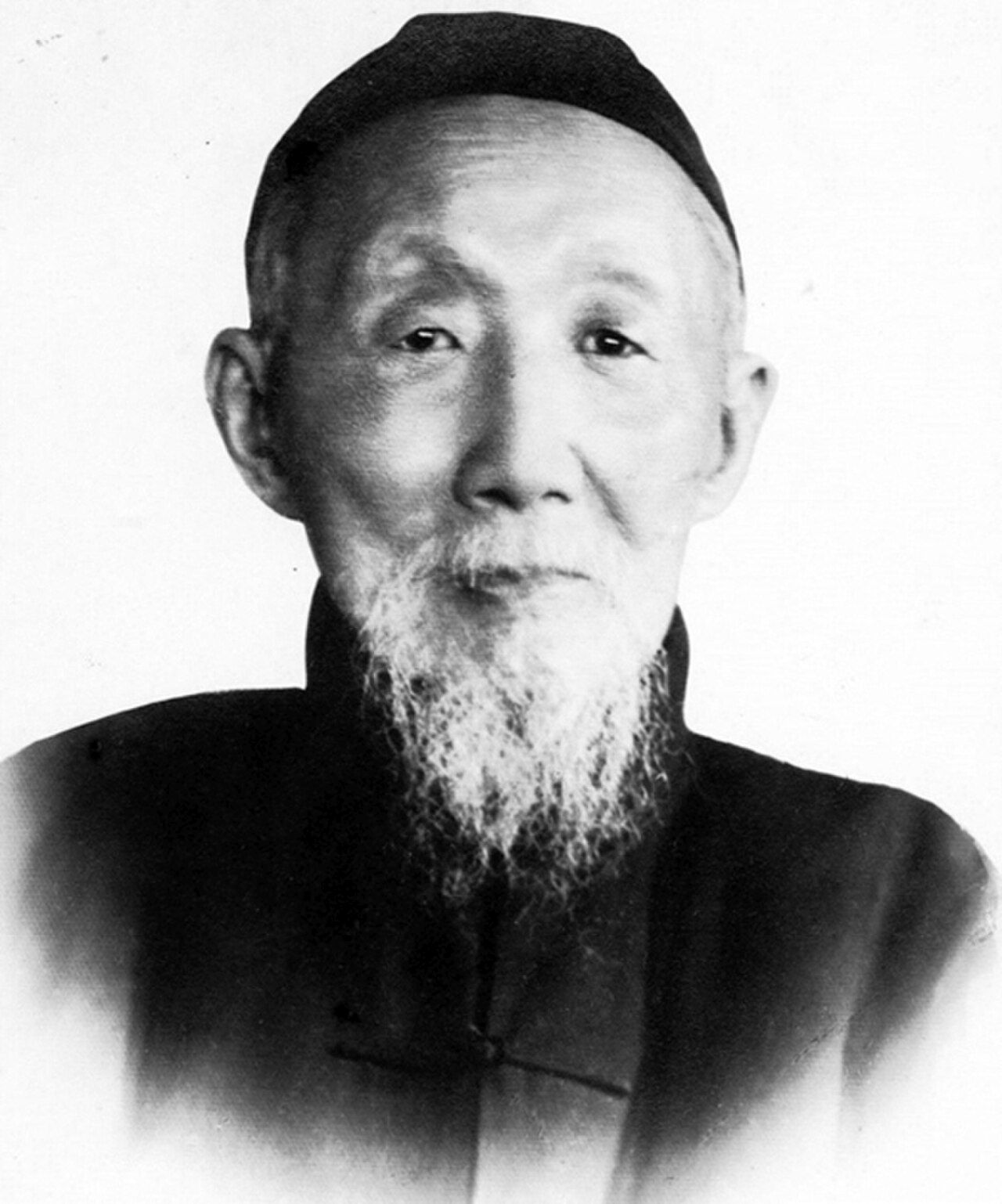
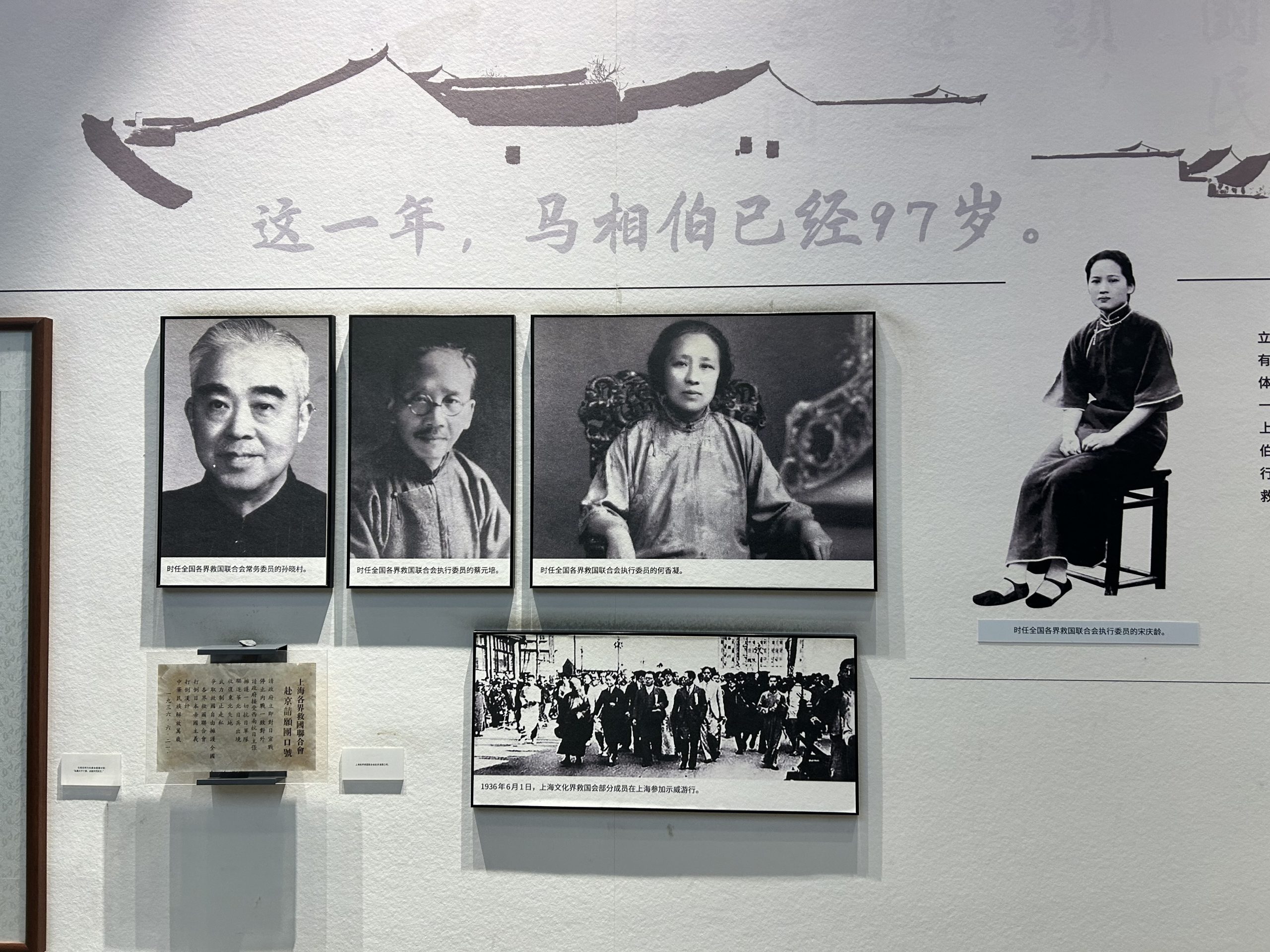
I was not expecting more than a pleasant stroll when I ran into the birthplace of Joseph Ma, turned into a museum. Joseph Ma / Ma Xiang Bo / 马相伯 was a very important person for Shanghai and the development of education in China. Studying at Xu Jia Hui’s Saint Ignace college, he became an astronomy and mathematic teacher as well as a priest in 1870. He took part the foundation of the bibliotheca Zikawei, now the Xu Jia Hui library.

After travelling in France, Europe and Corea, looking for modern teachings way to implement in China, he took part to creation of the Université Aurore in 1903, the Catholic university in Shanghai run by the Jesuits. Aurora University was split between several universities in the 1950s, but its main campus on Avenue Dubail (Chongqing nan Lu) is still standing, now part of Jiaotong university.

Parting from the Jesuits, he created his own university University, Fudan in 1905. Now located close to Jiangwan district, it is still one of the top university in China.

Together with Cai Yuanpei, the dean of Beijing University, he co-founded Fu Jen Catholic University (辅仁大学) in Beijing in 1925. Given Cai Yuanpei’s connection with Stephanie Rosen-Hoa and Hua Nan Gui as well as their common interest in education and french language, it is very likely that they all met in Beijing.

Famous connections

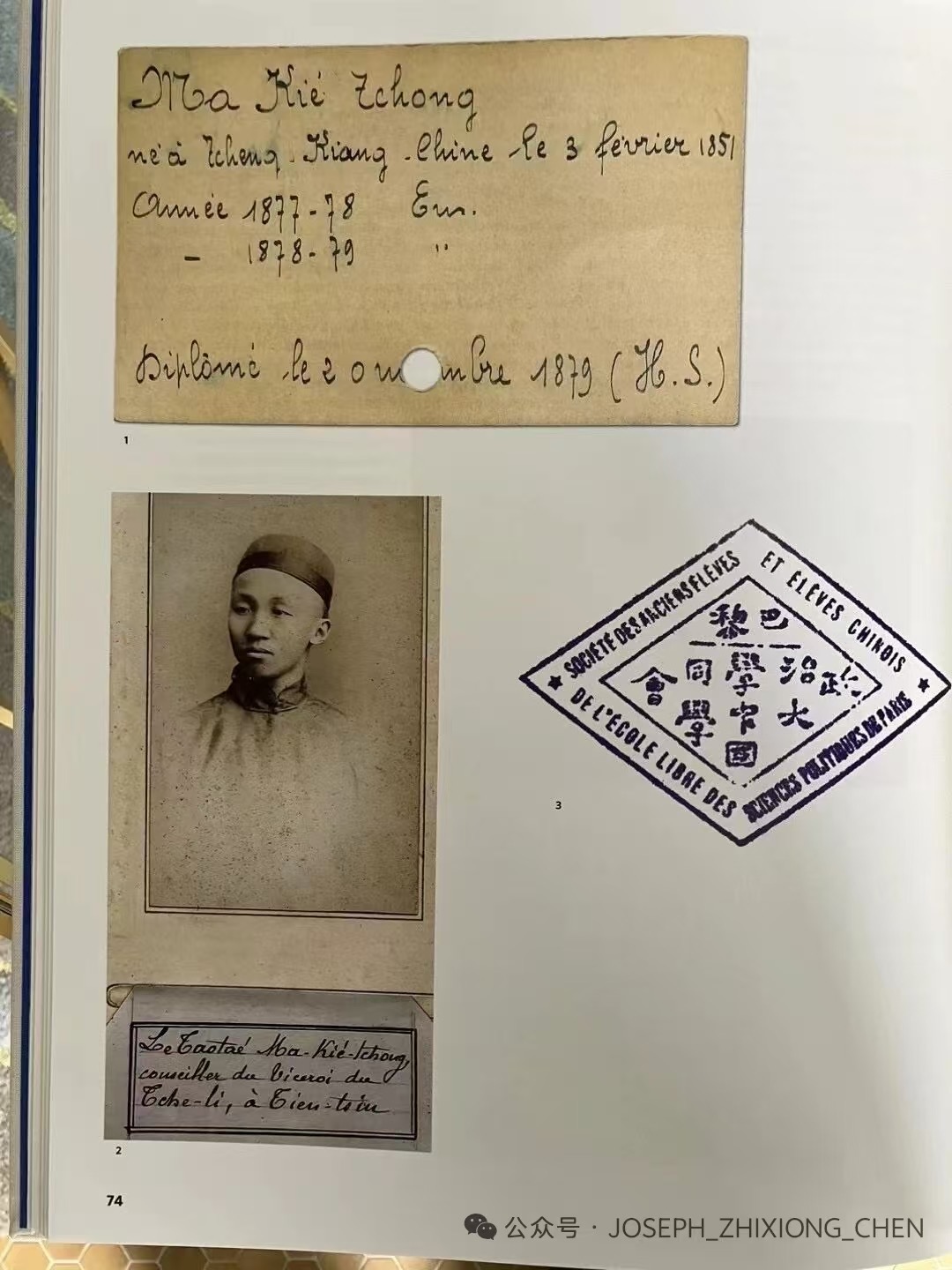
Ma Xiang Bo was not the only member of his family to be important for education in China. His brother became the first Chinese to graduate with Baccalaureate from the French education system.

Too bad the museum’s explanation are only in Chinese. It’s probably difficult to appreciate it without a good knowledge of the topic.

Shanghailander articles are published on an irregular basis. To be notified when a new article is posted, subscribe to the newsletter using this link, or follow the Shanghailander Facebook page.