Shanghai coffee exhibition

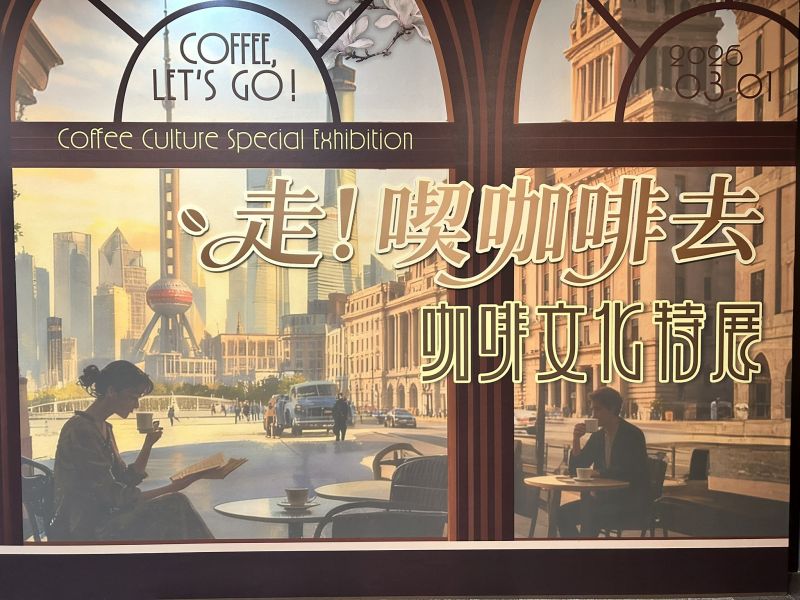
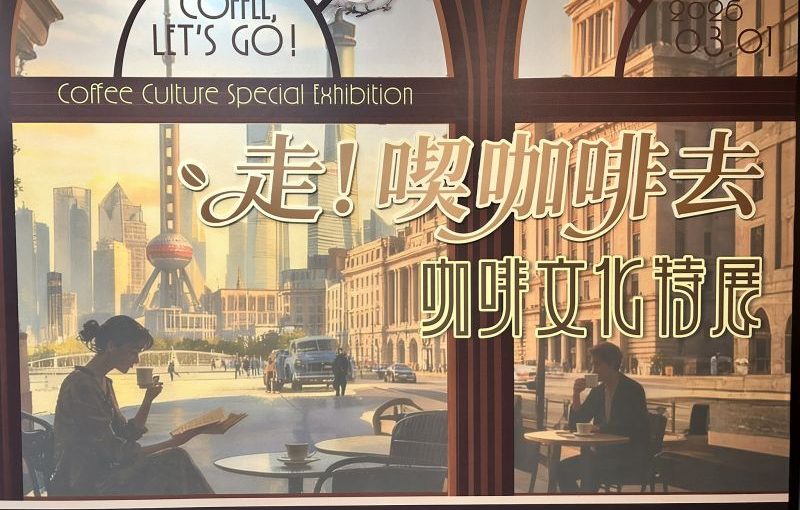
Drinking coffee is an integral part of Shanghai culture. The Shanghai history museum recently hosted an exhibition about coffee and its history in the city. It closed on 1st March 2026.

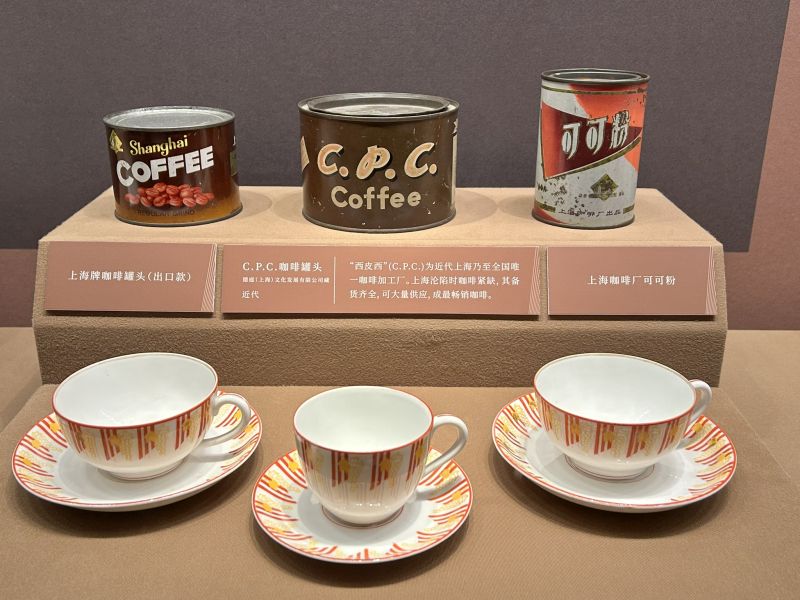
Shanghainese people have been drinking coffee since the late 19th century. First only available in high end hotels and drunk by foreigners, it was adopted by many local people by the 1920s and 1930s. Cafe were plenty, some of them has survived through the ages like Deda Cafe. The first ones were owned by foreigners, soon joined by local competitions. The most famous company supplying coffee was CPC coffee.

From 1949, coffee became rarer to find until nearly disappearing. Coffee beans were reserved for a happy fews. In the late 1990s, the place to get a cup of coffee were still mostly foreign hotels, where it was really expensive. As western style café and restaurants opened again, coffee became more available and affordable. Nescafé also entered the market and it became a most take when travelling in China as it was sometimes hard to find out of cities.
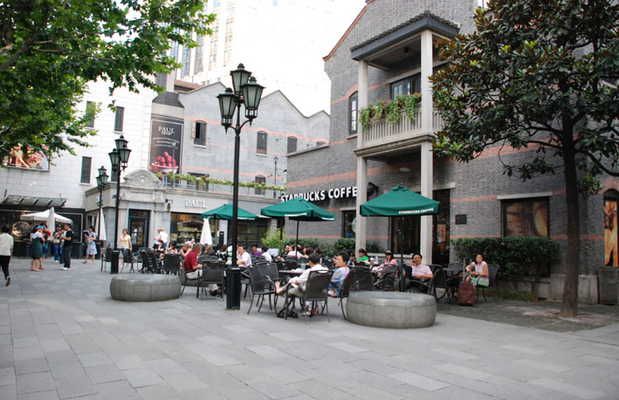
The introduction of Starbucks chain in Shanghai in 2000 was really the renaissance of coffee in the city. When I came back to China in 2004, one of the top meeting place was the Starbucks store in Xin Tian Di (now closed). Although the franchise dominated the 2000’s, by 2015 it was being really challenged by competitors. Chinese brands such as Luckin or Manner popped out, as well as many smaller independent stores.
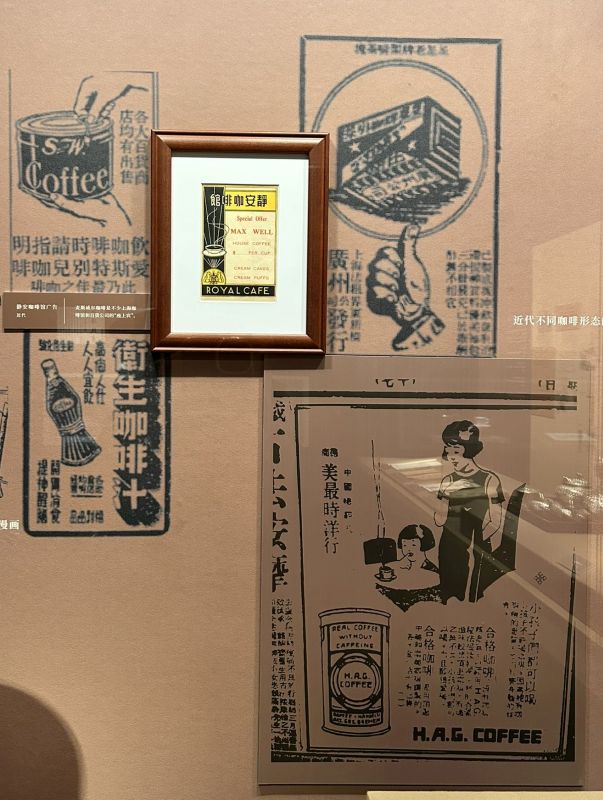
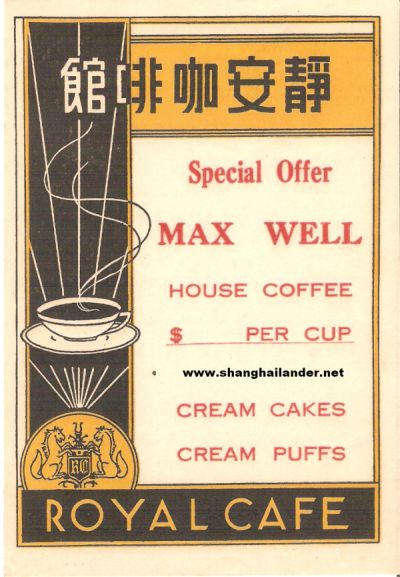
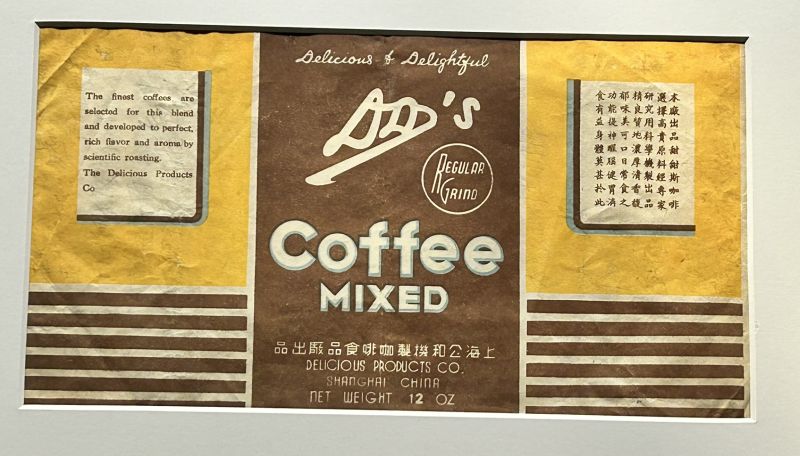
The coffee exhibition also displayed advertising for coffee brands from old Shanghai. This included the same “Max Well” branded menu from Royal Coffee shown in post “Shanghai Coffee Culture“. The 静安咖啡馆, Jing An Coffee shop was located on 1472 Bubbling well road, that is 1472 Nanjing Xi Lu / 南京西路 nowadays. It was the coffee shop of the CPC coffee brand. Office building United plaza is now on this location. This area of Jingan has many coffee stores, including some close to this original location.

Other brands of coffee were on display, like the above one.
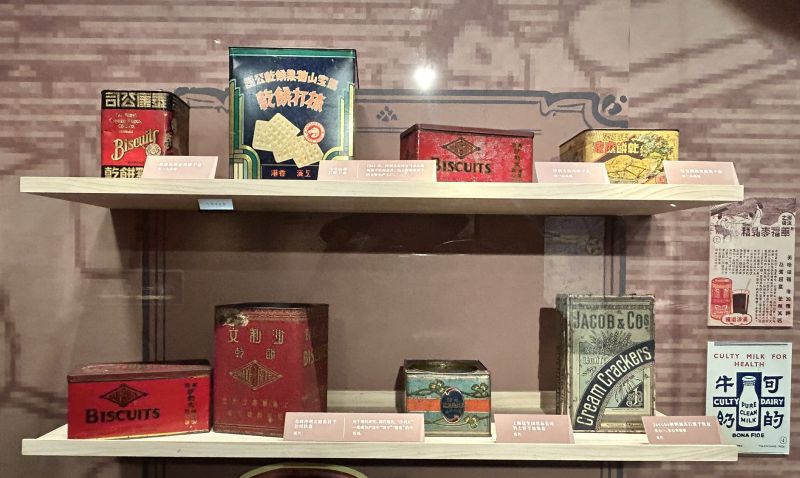
The exhibition also included biscuit tins and ad for Culty Diary (bottom right), that I wrote about in post “Shanghai Milkman”. After the exhibition, it was the right time for a nice cup of coffee, with some biscuits.

Shanghailander articles are published on an irregular basis. To be notified when a new article is posted, subscribe to the newsletter using this link, or follow the Shanghailander Facebook page.
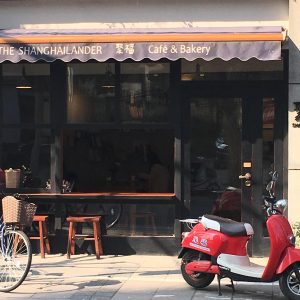
Shanghailander… Cafe and bakery

Having lived for years on former Route Kaufmann (today Anting Lu), my daily routine took me to the Zhao Jia Bang lu metro station. It located at the intersection of Route Dufour (today Wulumuqi Nan Lu) and Route de Ziccawei (today Zhao Jia Bang Lu). This area is also the location of the newly opened Shanghailander Cafe & bakery.

Shanghailander cafe

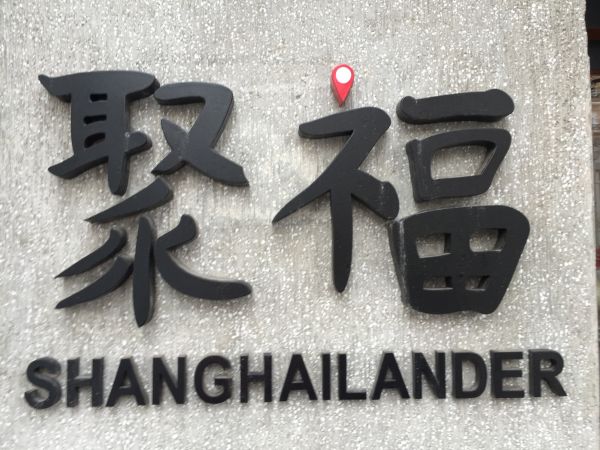
Having spent a lot of time in cafes in many places including France, Hungary or even Malaysia, opening my own would surely be quite some fun. Unfortunately, I have no link with this fine establishment, but a number of friends and readers have asked about it. Since I pass in front of this place nearly every day, I tried it and can recommend both the pastry and the coffee. The link with Old Shanghai does not stop with the Shanghailander name. The Chinese name 聚付 is also significant, as it was the Chinese name of Route Dufour, former name of Wulumuqi Nan Lu where the cafe is located.

(Route) Dufour in Chinese

Route Dufour was constructed between 1918 and 1921 and was named after a French employee of the Standard Oil who was killed in WWI. Most buildings in the bottom stretch of the street are not original, but they kept the right style. A notable building on the same street is the former Shanghai Nursing Home, that is now hidden in the trees and hosting many families. Before it became Shanghai Nursing Home, that building was known as Blue Hospital, built by the emigre architect Boris Krivoss in 1929 (see post on Building Russian Shanghai blog on this topic). It was turned into residential under the name of Krivoss apartment in 1934.

Former Shanghai Nursing Home

Much more visible is the Dufour apartment building, one of the lesser known Art Deco wonders of Shanghai. Russian designer of Dufour Apartments, W. A. Fedoroff, was rather big back home in Vladivostok, where he had worked on circa 200 buildings.

The location of Shanghailander Cafe has only become popular for cafes and bars in the last few years, with the transformation of parts of the Former French Concession in a trendy area.  Starting to be inhabited in the 1920s and 1930s, this area was residential and quiet, considered like the suburb of Shanghai.

JingAn Coffee House

As show on this advertising for the long gone Jing A Cafe House, Cafe culture is nothing new to Shanghai, and coffee have spread everywhere in the last few years. When I wrote the post “Shanghai Coffee Culture” in 2010, Shanghai Coffee drinking was all about coffee chains and some old timers like Deda Cafe. In the meantime, independent coffee shops have opened up everywhere… and some have already disappeared (see Boona Cafe and Citron Cafe post for more details) in the fast pace of Shanghai business. In new Shanghai, cafes have become trendy again, just like in Old Shanghai. Update from 2023, the Shanghailander Cafe at the location has also disappeared, although another location remains.

Shanghai Coffee Culture

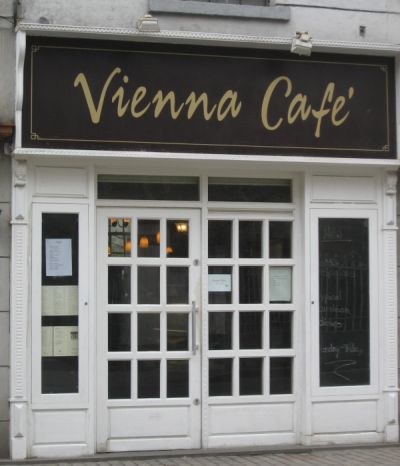
Having lived a number of years in Central Europe, I developped an acquired taste for coffee houses. Long gloomy winters make them the ideal place to spend a nice afternoon in Budapest, Prague, Vienna and many other cities. They are the place to meet friends and chat for hours.  Coming to Shanghai in 2004, a nice coffee house is what I missed the most. My first coffee place was Starbucks in Xin Tian Di, which was one of the few available then. Other coffee chains had not yet entered the market and there was little alternatives apart from hotels. The opening of Vienna Cafe in late 2004 was just what the doctor ordered. This Viennese coffee house was just like a smaller version of the Budapest coffee houses that I used to go to, making me feel instantly familiar and in love with this place. 5 years later, it is still one of my favorite coffee place in Shanghai (update 2023: Vienna Café closed around 2016 has sadly never been replaced).

Vienna Cafe Shanghai

Old Shanghai had numerous cafes and coffee houses.  Many of them where located on or near Avenue Joffre (today Huaihai Lu), operated by French or Russian immigrants, often coupled with bakeries. One of the well known place for coffee was the Bianchi Store (See post Bianchi Pastry and Chocolate for more info). About the only surviving coffee house of old Shanghai is Deda Cafe.

Coffee drinking was brought by foreigners and started to become a symbol of fashion and modernity among Shanghainese. Just like in Europe with Parisian writers meeting and working in cafes, the new groups of Shanghai writers would meet in coffee houses to live the Bohemian live of artists. Cafes were much warmer than the small tinzidians during the arch winters and groups of friends would just make the coffee last long hours to save money.

I really became interested in Shanghai coffee houses when I found the document below in an market. This is a advertising for the Royal Cafe, that was probably standing on the tables just like in many Shanghai cafes today. Maxwell Coffee was already very famous in the USA and made it to Shanghai from America. The most interesting is the name of the coffee house in Chinese: 静安咖啡馆 / Jing An Coffee house. Like there are many modern coffee houses in Shanghai located around Jing An Temple, there must have been a few of them in old Shanghai, probably on Bubbling Well Road (today Nanjing Xi Lu) or the surrounding streets. I have searched for the precise location of the Royal Cafe in old directories, but could not find it. The ad is both in Chinese and in English, so I guess this coffee house was mostly frequented by Chinese people.

Coffee Ads
Maxwell Coffee Ads

In 1938 Shanghai had 60 foreign cafes listed in the phone book. 9 companies were importing coffee including German trading firm Melchers and 11 companies where selling coffee in retail including Lane Crawford on Nanking Road (today Nanjing Dong Lu). Our friends at Mobfa wrote a great article about the biggest local coffee brand in Old Shanghai.

Coffee was also imported in large quantity. “The trade of China” 1934 shows that 186,095 Gold Units of Coffee was imported to China in 1933, and 170978 in 1934. Nearly 40% was imported from America and I guess a lot of if was Maxwell coffee that is advertised above. About 20% came form “Netherlands India” i.e. today’s Indonesia, being the famous Java Coffee. About 8% from “Straits Settlements” i.e. Malaysia where the tradition of white coffee drinking is still very strong.

Just like today, coffee drinking was the symbol of western habits and of modernity. Starbucks and the coffee chains of today found the right location to start operations here. No wonder Shanghainese took coffee and coffee house by storm… they already had experienced it in Old Shanghai.

Update 2023: Independant coffee shop have sprung all over Shanghai in the last few years. It’s a long was from the time when long gone Boona coffee was about the only one in town. One of my favorite in Shanghailander coffee store (gone in 2024). Nothing to do with this blog but nice owner, great coffee and a love for Old Shanghai.

Boonna Cafe (Xin Le Lu)

On a small street, at the heart of the French Concession, there is this cafe that a friend mentionned over diner, Boonna Cafe. It’s not a bar, nor a French Grand Cafe type, but definitely kind of a Manhattan inspired coffee joint. About 10 meters by 5, with 9 tables and 25 seats, it’s not the biggest Cafe I know in Shanghai but it’s really friendly. Yellow and Red walls, giving light when the Shanghai suns goes away (i.e. most of the days). Lot’s of books, black and white pictures on the wall… even a ganja leaf somewhere in a corner. Some blues notes playing in the background. This place has a slightly artistic, alternative touch.

It’s not really Chinese, but these kind of places are so needed in Shanghai to make it more international. I love the atmosphere of a small place owned and run by a couple of friends. It’s just the opposite of big chains, the opposite of standardisation, though globalisation and media overexposure gives it an air of deja-vu. Starbucks has opened the way, now it’s time for more intimate places with a real atmosphere. Great place for a date, for starting a relationship, for closing one or meeting this friend perdu de vue since a few months… and last but not least, they have no smoking policy today… Definitely recommended for frequent visits.