The rise and fall of the Majestic Hotel

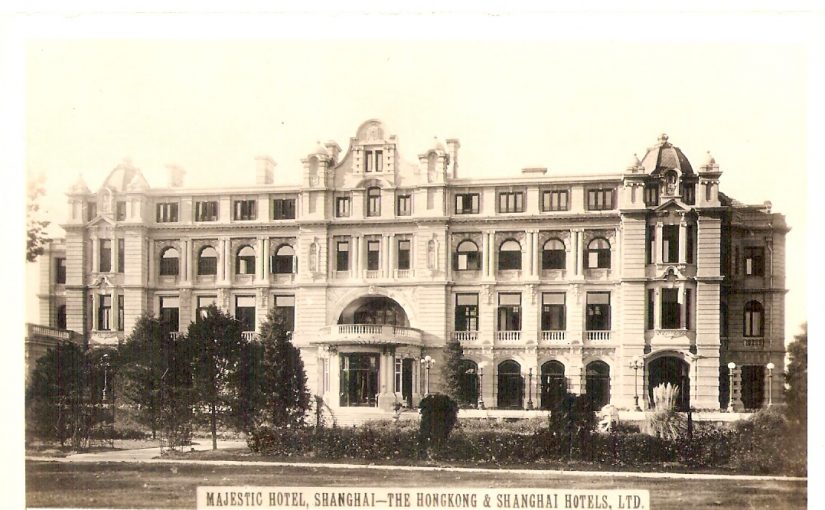
Shanghai has always been a city of fast paced life and constant change. One of the best example is the fate of grand hotel shooting star, the Majestic Hotel (大華飯店 or Dai Hua Jiu Dian in Chinese) on Bubbling Well Road (today Nanjing Xi Lu). As seen on a 1932 map below, the hotel was occupying an enormous plot, on what is today Nanjing Xi Lu, from Jiangning Lu all the way to Taixing lu.
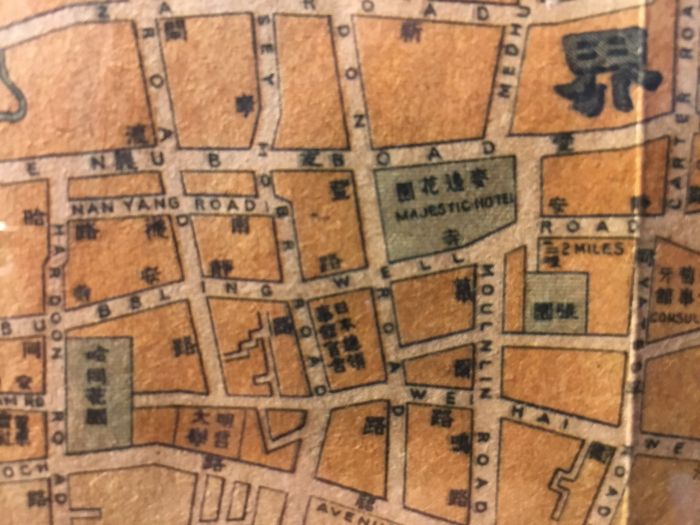
Location of Majestic Hotel on 1932 map of Shanghai

The building and its park were originally the McBain residence, of a successful business man who represented Shell (among others) in China, and sold the property to Hong Kong and Shanghai Hotels company, owned by the Kadoorie family.
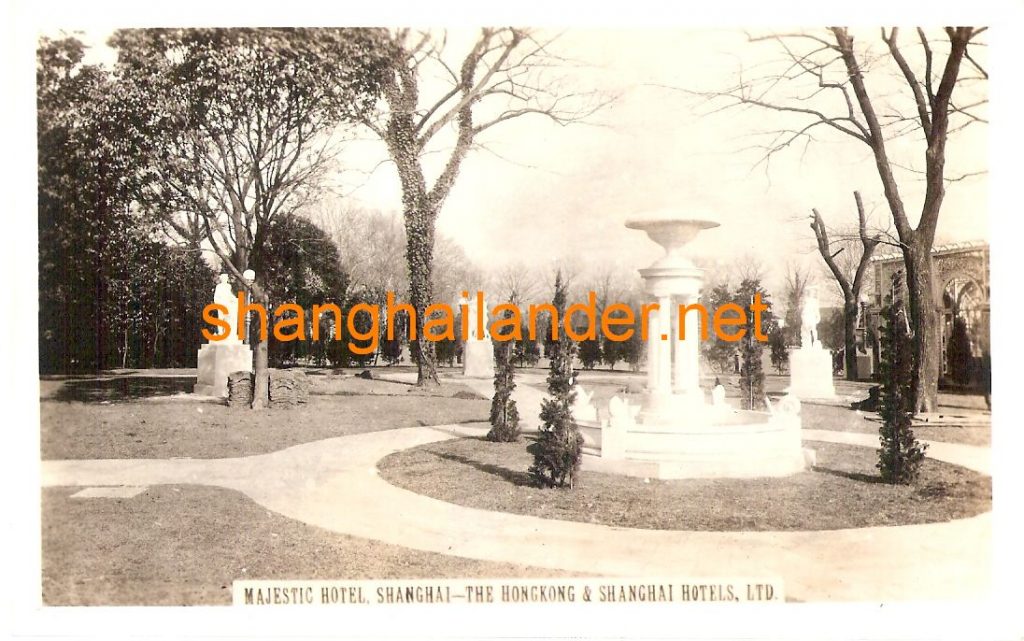
Majestic Hotel Garden

Renovation and transformation of the building was given to Spanish architect Abelardo Lafuente in 1924. The inside yard was covered to be converted into the dining room, modern sanitary and heating system was installed and the facade was covered with marble. The garden remained despite the addition of a winter garden and a massive ballroom (designed by Russian architect Alexander Yaron) that became the center of Shanghai Social life for the upper class for a few years.
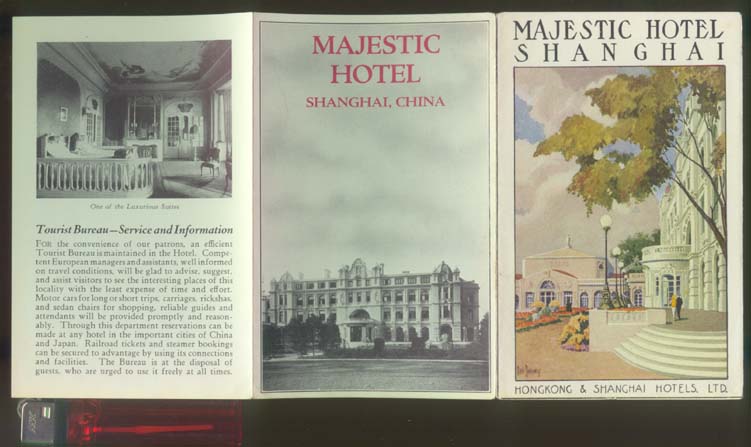
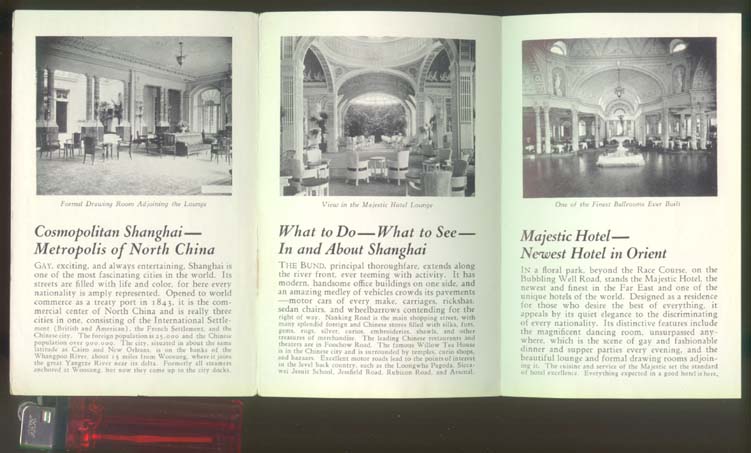
Advertising leaflet for the Majestic hotel

The Majestic hotel was the best and most luxurious in Shanghai and one of the leading hotels in the World from it’s opening in 1924, being the jewel of the Hong Kong and Shanghai hotels company. The gigantic ballroom became the place for most important official parties to take place, including St Andrew’s and St George’s, the Washington and the Russian ball as it was the largest venue in Shanghai, able to host more than 1000 guests.
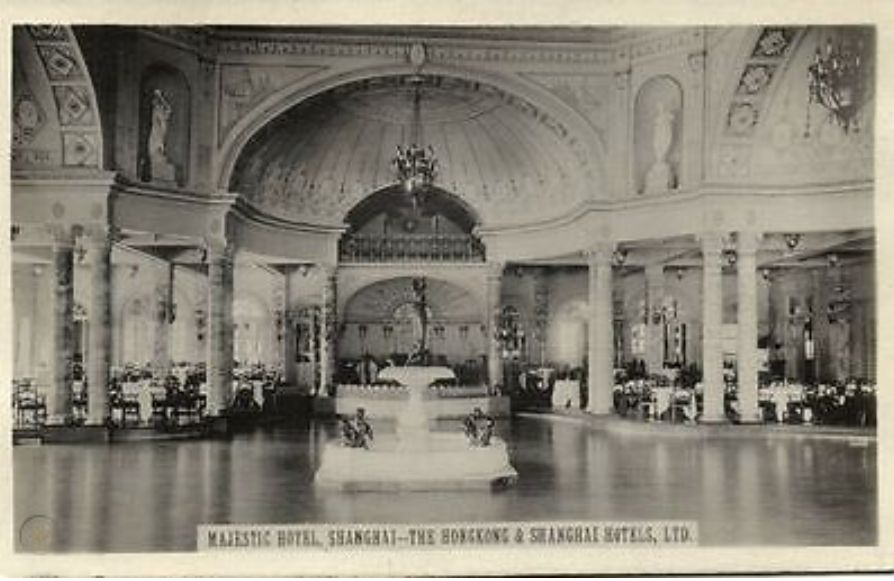
The majestic hotel ballroom

The ballroom was also one of the main point where Shanghai dancing craze started, with a jazz band featuring, local stars such as Serge Ermoll and Whitey Smith. In 1927, the Majestic Ballroom was the location of a major event, the wedding of Chiang Kai Shek, the ruler of China then, and Song Meiling (See the Soong Sister for more information). In 1929, Hollywood star Douglas Fairbank and his wife Mary Pickford visited Shanghai and stayed at the Majestic, underlining its success on Shanghai scene.
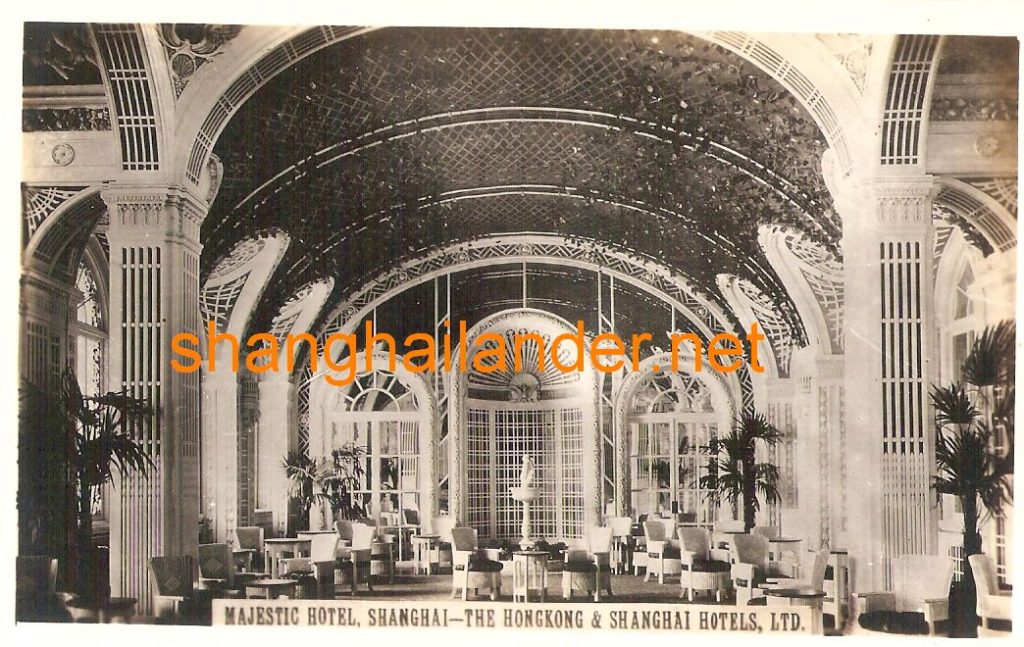
The winter garder shows the opulence of the place

With all its grandeur, the Majestic Hotel proved to big and too luxurious to be really profitable, and the hotel was sold to developers in 1930 (source: Hong Kong and Shanghai hotels official website). At the same period, the Cathay hotel (today’s Fairmont Peace Hotel) opened on the Bund. The Majestic hotel ballroom finally closed in 1931 and the building was destroyed in 1932. The massive land was separated in several lots, including the one where Majestic Theater was built in 1941. The former location of the hotel is similar to the one of today’s Westgate Mall on Nanjing Xi lu.
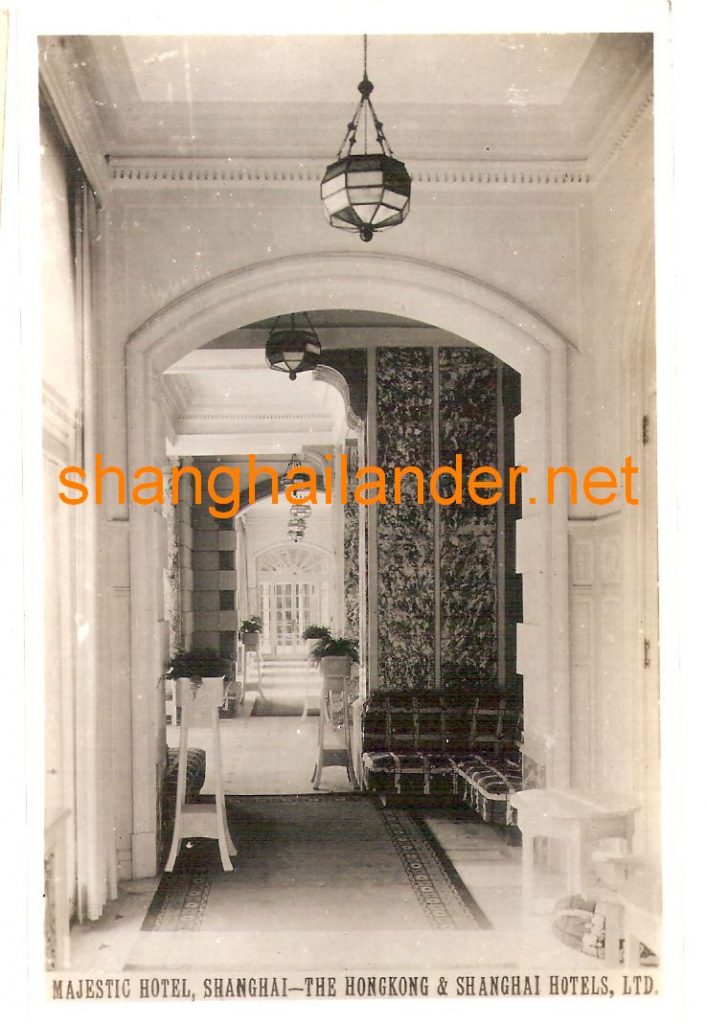
Corridors of the Majestic Hotel

A few years after writing this post, I found new pictures of the Majestic Hotel taken for the 1929 Autumn Flower Show that took place there. Please follow the link to post “1929 Flower Show at the Majestic Hotel“.

Shanghailander articles are published on an irregular basis. To be notified when a new article is posted, subscribe to the newsletter on the left column of this page, or follow the Shanghailander Facebook page.

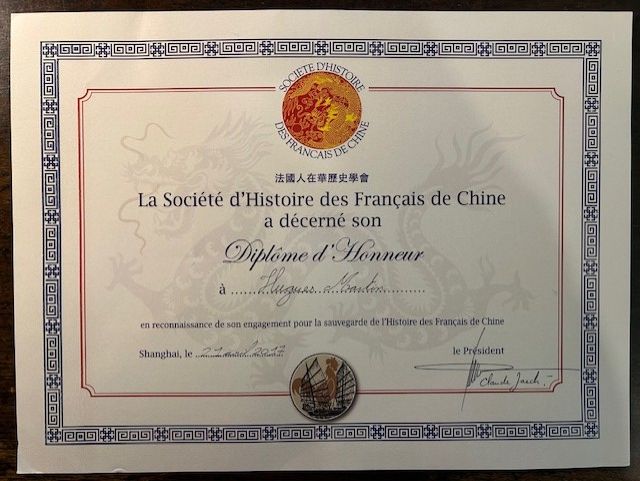
French Award for Shanghailander.net

On Friday 21st April 2017, I had the honor to give a presentation about Shanghai history for the French Chamber of Commerce in Shanghai, organised together with the French Shanghai historical society. The presentation was attended approximately 50 people.

At the end of the presentation, I was rewarded with the honorary diploma from the French Shanghai historical society, for my contribution to awareness of Shanghai history and culture. The diploma (picture below) was given to me by Mr David Maurizot, the secretary of the association who, a few years later, became president.

Shanghailander articles are published on an irregular basis. To be notified when a new article is posted, subscribe to the newsletter using this link, or follow the Shanghailander Facebook page.
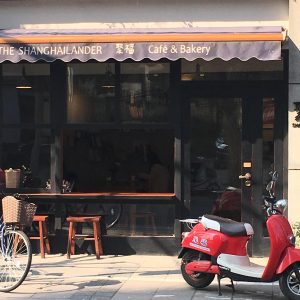
Shanghailander… Cafe and bakery

Having lived for years on former Route Kaufmann (today Anting Lu), my daily routine took me to the Zhao Jia Bang lu metro station. It located at the intersection of Route Dufour (today Wulumuqi Nan Lu) and Route de Ziccawei (today Zhao Jia Bang Lu). This area is also the location of the newly opened Shanghailander Cafe & bakery.

Shanghailander cafe

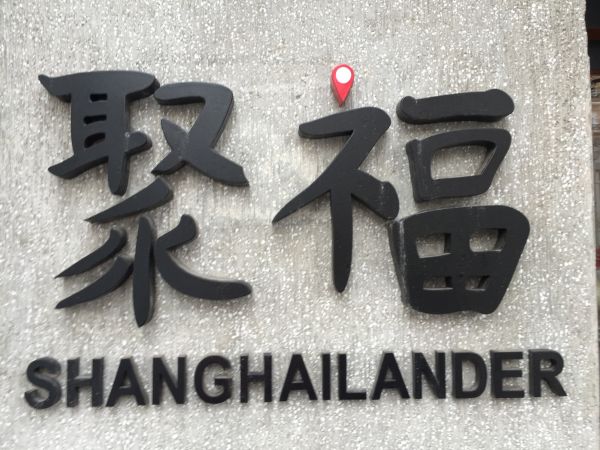
Having spent a lot of time in cafes in many places including France, Hungary or even Malaysia, opening my own would surely be quite some fun. Unfortunately, I have no link with this fine establishment, but a number of friends and readers have asked about it. Since I pass in front of this place nearly every day, I tried it and can recommend both the pastry and the coffee. The link with Old Shanghai does not stop with the Shanghailander name. The Chinese name 聚付 is also significant, as it was the Chinese name of Route Dufour, former name of Wulumuqi Nan Lu where the cafe is located.

(Route) Dufour in Chinese

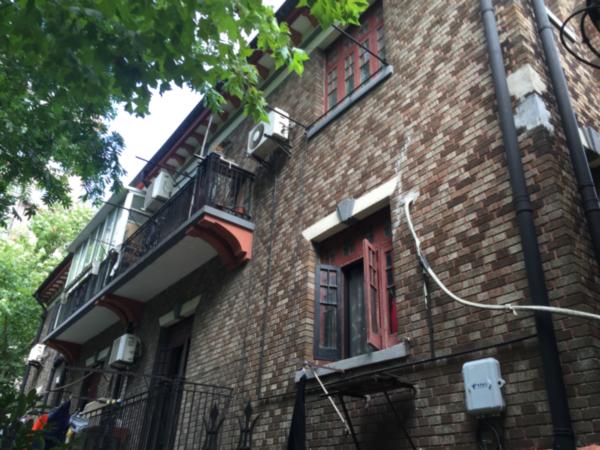
Route Dufour was constructed between 1918 and 1921 and was named after a French employee of the Standard Oil who was killed in WWI. Most buildings in the bottom stretch of the street are not original, but they kept the right style. A notable building on the same street is the former Shanghai Nursing Home, that is now hidden in the trees and hosting many families. Before it became Shanghai Nursing Home, that building was known as Blue Hospital, built by the emigre architect Boris Krivoss in 1929 (see post on Building Russian Shanghai blog on this topic). It was turned into residential under the name of Krivoss apartment in 1934.

Former Shanghai Nursing Home

Much more visible is the Dufour apartment building, one of the lesser known Art Deco wonders of Shanghai. Russian designer of Dufour Apartments, W. A. Fedoroff, was rather big back home in Vladivostok, where he had worked on circa 200 buildings.

The location of Shanghailander Cafe has only become popular for cafes and bars in the last few years, with the transformation of parts of the Former French Concession in a trendy area.  Starting to be inhabited in the 1920s and 1930s, this area was residential and quiet, considered like the suburb of Shanghai.

JingAn Coffee House

As show on this advertising for the long gone Jing A Cafe House, Cafe culture is nothing new to Shanghai, and coffee have spread everywhere in the last few years. When I wrote the post “Shanghai Coffee Culture” in 2010, Shanghai Coffee drinking was all about coffee chains and some old timers like Deda Cafe. In the meantime, independent coffee shops have opened up everywhere… and some have already disappeared (see Boona Cafe and Citron Cafe post for more details) in the fast pace of Shanghai business. In new Shanghai, cafes have become trendy again, just like in Old Shanghai. Update from 2023, the Shanghailander Cafe at the location has also disappeared, although another location remains.