好东西 / Her story

I saw the movie 好东西 / Her story by random on an airplane. It’s only after watching it that I realised that director 邵艺辉 / Shao Yihui also made the movie 爱情神话 / “B for Busy” that I wrote about in 2022.

Both movies have a lot in common. They study the life of a few characters and their relationships over a short period of time. They are very intimate and make me feel like watching some French movies. Both movies are filmed around the streets of Shanghai former French concession. The city, its 1920s and 1930s buildings and its streets lined with pane trees are the main characters of the movies. Some of the indoor scene shows the details and charm of those old buildings, along with the (minor) drawback of living in those.

One of the main difference between both movies is the kind of people involved. B for busy’s characters were mostly talking in Shanghainese dialect, describing the live of a group of local Shanghainese people. This made it very popular in the city when it was out in 2022. Her story is about people who live in Shanghai but are not originally from the city.

Shanghai dialect is notoriously difficult to understand for non Shanghainese. Although they can grasp it after years living in the city, few non native speakers will ever master it. This is a real difference between local Shanghainese people and those that come to live in the city later in their live. when B for busy was the story of Shanghainese people, her story is the tale of non Shanghainese people who made the city their own. In real life, both worlds live next to each other and are intertwined, but they are still somewhat distant even today.
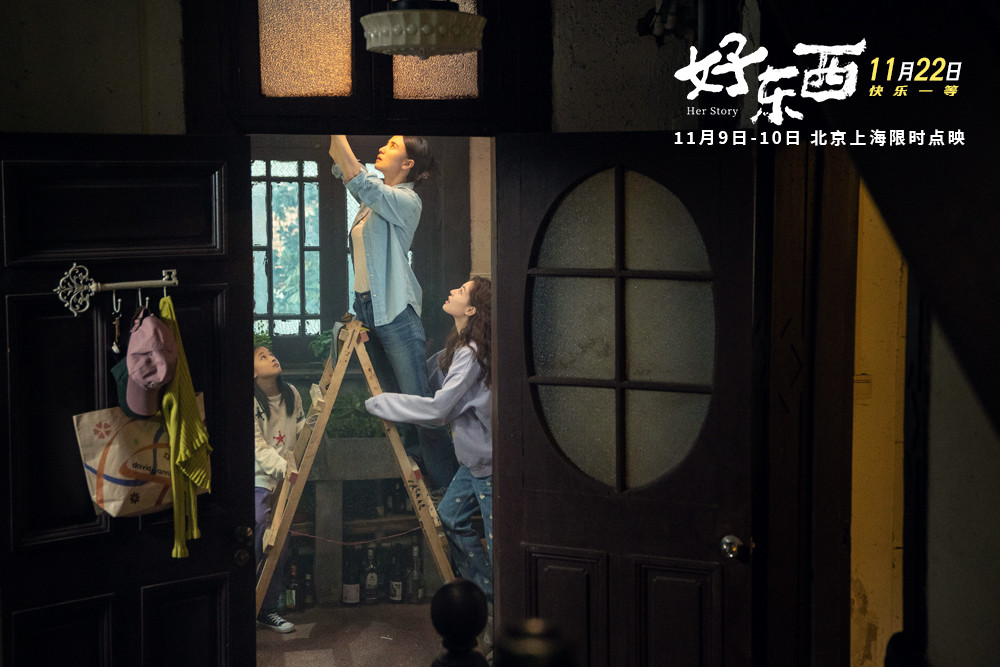
The director clearly is in love with Shanghai and its historical buildings. I was not surprised to find out that she actually lives in Shanghai, probably around those areas. I must admit that I spent a good part of the movie looking for clues about filming locations.

The main story is focused on a single mother and young singer that happen to become neighbours. They both live in the same old lane house and unexpectedly end up being good friend. The movie is the story of this friendship and of their privates lifes. It’s a light romantic comedy with a strong feministic focus. I found it really enjoyable to watch besides the Shanghai angle. Just like B for Busy, it’s great movie about life in Shanghai.

Shanghailander articles are published on an irregular basis. To be notified when a new article is posted, subscribe to the newsletter using this link, or follow the Shanghailander Facebook page.
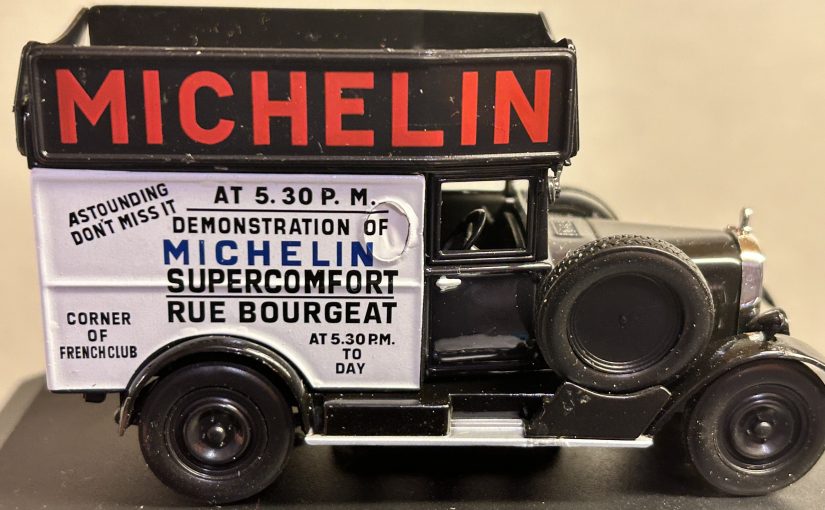
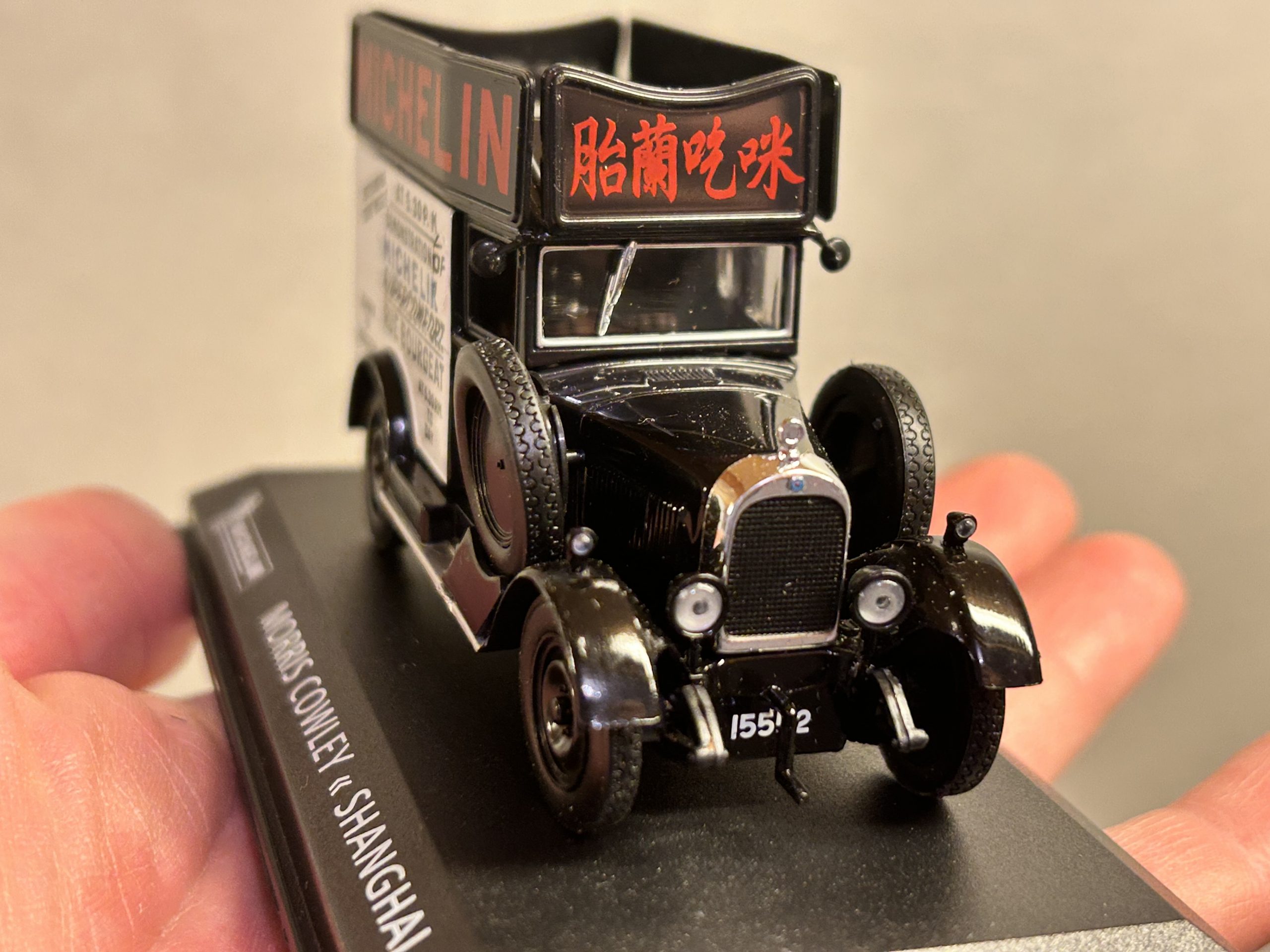
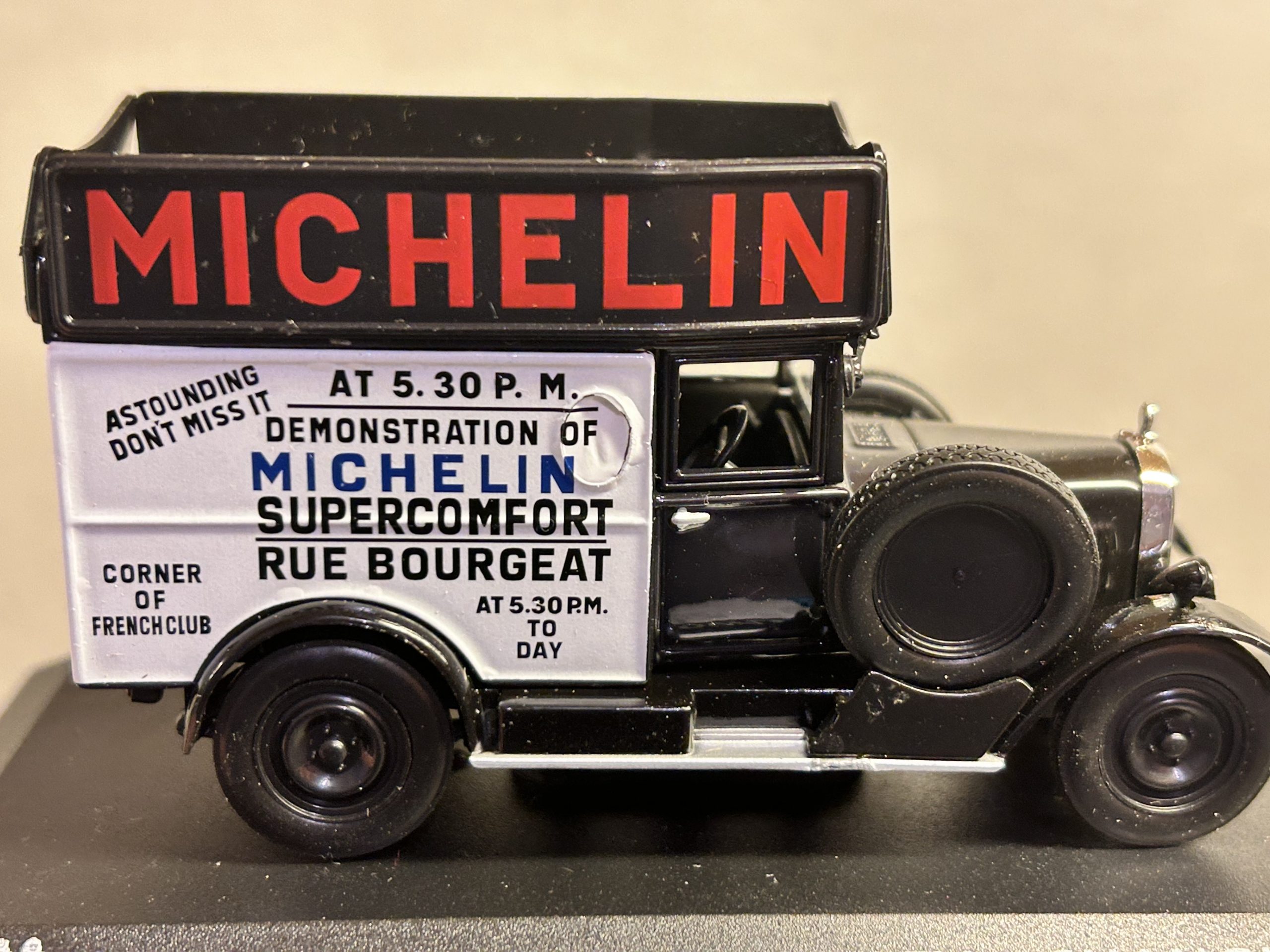
1933 Michelin advertising car

Shanghai has constantly chased modernity. In Old Shanghai, inventions such as tramways, and electricity were introduced in their early days. This was also the case for automobiles. By the 1920s, Shanghai already had many cars and streets were often blocked by traffic jams. Along with cars came tires, as shown by the model of a car used for advertising Michelin tires in Shanghai.

The above car is part of a series of Michelin advertising cars models, distributed in France a few years ago. This model was used in Shanghai, in the early 1930s.

Michelin brand in Chinese in Old Shanghai was 咪吃兰胎 , which is different from Michelin modern Chinese translation, i.e. 米其林. The brand in Chinese is displayed at the front and the back on the roof. MICHELIN is displayed on both sides of the car.

The address for the advertising for Michelin’s tire demonstration is, “Rue Bourgeat”, “Corner of French Club”. This is located at the corner of Changle Lu 长乐路 / Rue Bourgeat and Maoming lu 茂名北路 / Route Cardinal Mercier. It is opposite the former Cercle sportif Français (today the Okura Garden Hotel) with Cathay mansions (Today Old Jinjiang hotel) on the opposite corner. The fourth corner is occupied by Lyceum Theater. In the early 30s. this was one of the main spot of the French concession.

The back of the model car with the advertising in Chinese characters is well reproduced, with characters easily readable (in traditionnal characters as they were used then). The meaning is the same as the English text including location near the French Club. The car had 2 license plates, one for the French Concession (that was also valid for the International Settlement) and one for the Chinese territory.

This car is a Morris Cowley Flatnose, produced between 1926 and 1931 at the Cowley plant of Morris Motors Limited near Oxford. The advertising support was probably added in Shanghai and removable.

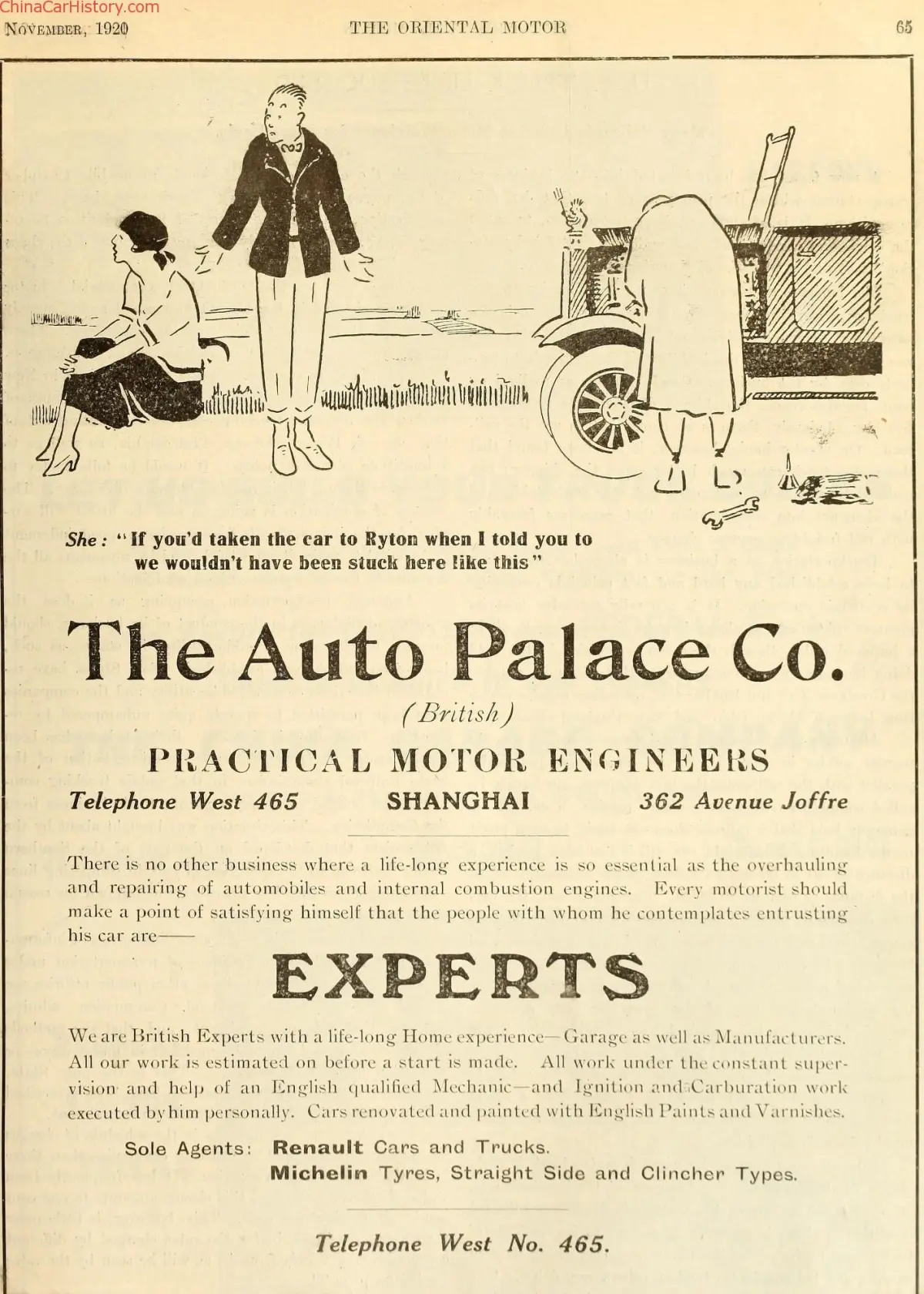
Morris Motors cars were imported by Auto Palace Company Ltd. (利威汽车行, Liwei Automobile Co.) Auto Palace company was also the importer of Michelin tires, as show on above 1920 ad (Thanks to chinacarhistory.com). It makes sense that Auto Palace company used it’s own products for promotion.

The Michelin Supercomfort tires entered the market in France in 1932, so this adversitising car is probably from 1933. Moreover, French concession plates had 4 digits only in the 1920s, and 5 digits in the 1930. This car is plated 15552, so it’s clearly from the 1930s.

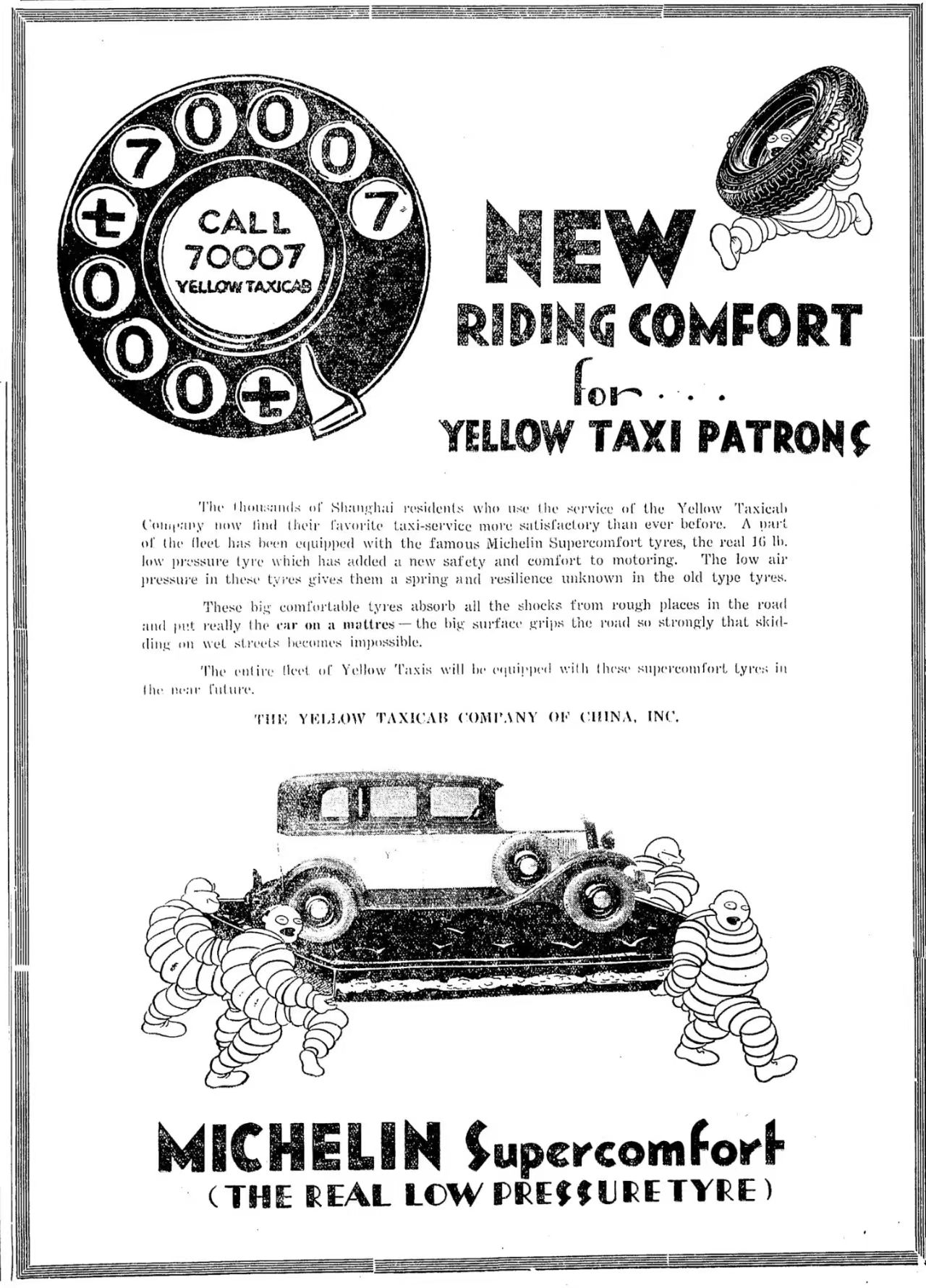
A friend forwarded the above ad for Yellow Taxicabs and Michelin Supercomfort. published in the China Press on 6th December 1933. The ad is explaining that thanks for the Michelin Supercomfort tires, Yellow Cab will have a smoother and more comfortable ride for the passengers. This looks very much like a cross advertising and must be from a similar time or later than the Michelin advertising car. This confirms the car is from 1933.

The level of details on this model is amazing. Some pictures must have been kept in the Michelin archives and used by the publisher for recreating the model series. No pictures of this vehicle are publicly available. In any case, this a really interesting piece of Old Shanghai and a great addition to my collection.

Below is a video IA created from a picture of the model picture, showing the car driving in old Shanghai.

Shanghailander articles are published on an irregular basis. To be notified when a new article is posted, subscribe to the newsletter using this link, or follow the Shanghailander Facebook page.