88,000 users, 185,000 page viewed and 308 articles, the Shanghailander blog is turning 15 years old today. Read on to discover the blog origin, history and evolution along those years.
The Shanghailander blog started as a way to collect information that I found about Old Shanghai. When I reached Shanghai in 2004, little was available on the topic and few people seemed to wonder why and how all those foreign buildings ended up in a Chinese city. To be honest, most of the old houses were in a very bad condition, and it took some effort to see the beauty in them. My interest came from a mix of Europe nostalgia as well as the experience of seeing cities in similar derelict state springing back to life and modernity in Eastern Europe.

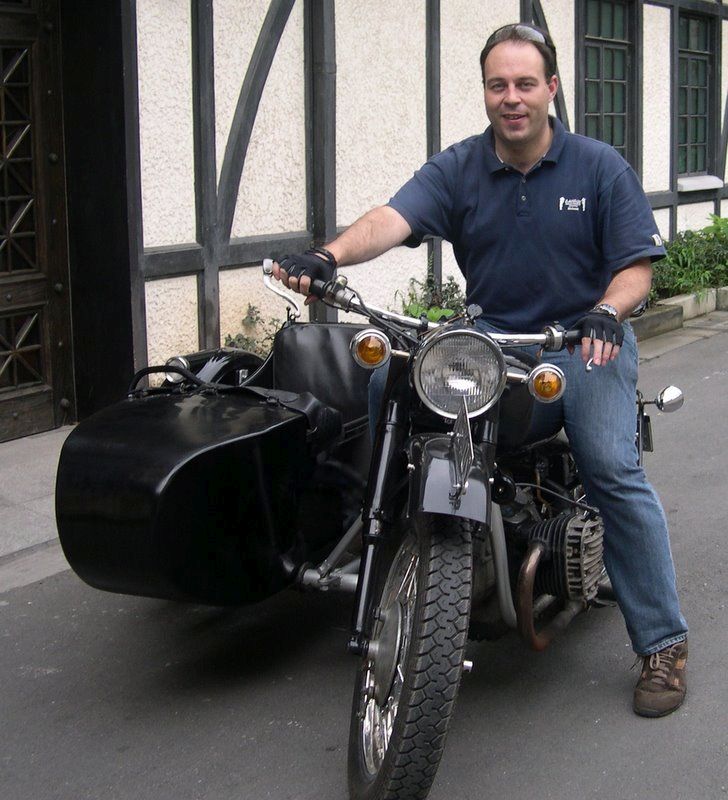
Long before social media, blogging was the fashion of the time. The Shanghailander blog started in 2006 after reading a few books and cruising antic markets. Old Shanghai artefacts where not in fashion and prices where cheap. New items called for more research and reading more books. One of the great motivation was creating a tour company giving tours of (Old) Shanghai in a side car from 2008 to 2011, the now defunct Shanghai Sideways.
Blogging about Old Shanghai has been a great way to meet other people fascinated by the topic. The high point was the 2015 World Congress on Art Deco in Shanghai, when most of us joined to share information. This event bound our small community together, mostly online now as many experts such as Tess Johnston, Peter Hibbard, Paul French, Spencer Dodington, Katya Kniazeva, Dvir Bar-Gal and Didier Pujol have now left Shanghai.
If Old Shanghai was an obscure topic 15 years ago, knowledge and publication about the topic has increased tremendously since then. Numerous books, movies and TV series have been produced on the topic. Apart from Brits, French and Americans, other communities have led researches in their presence in Old Shanghai, and the findings have been amazing. Russians in Old Shanghai were numerous Old Shanghai in the late 1920s and 30s, the life and fate of many of them is being search in-depth by Katya Kniazeva’s life journal. Spanish architect’s Abelardo Lafuente live and work has been revealed by Spanish architect Alvaro Leonardo Perez. Belgians rediscovered their major role behind railway construction in China. In the last few years, Hungarians have joined the club, with Livia Szentmartoni finding a lot of information about the abundant Hungarian community in Old Shanghai, including architect CH Gonda, and Matrai Béla besides already famous Laszlo Hudec.
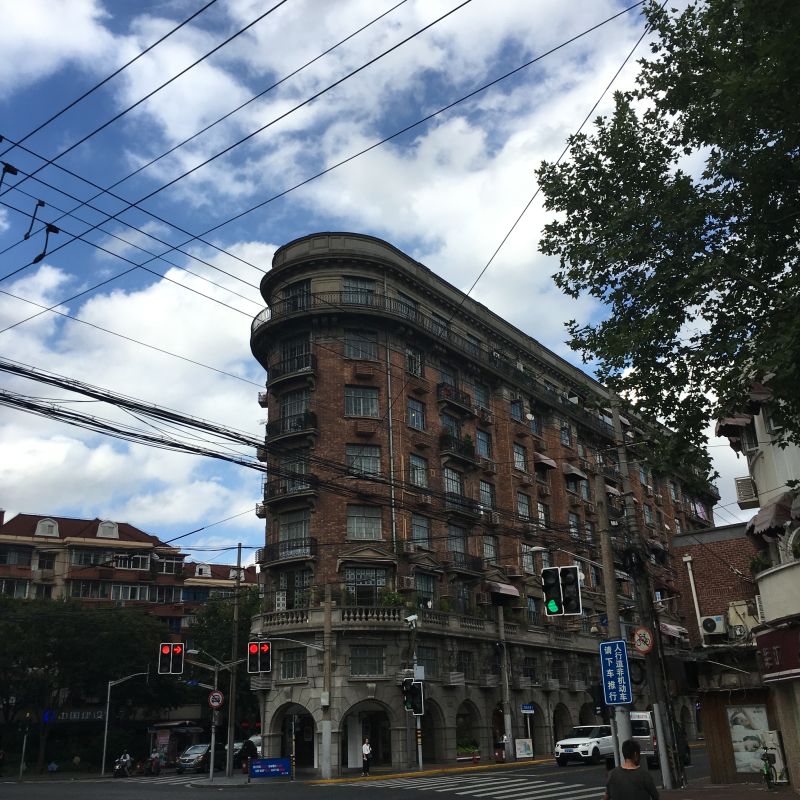
The biggest change of all has been the new strong interest of Shanghai people in the history of their own city. Old Shanghai was pretty much a taboo topic 17 years ago, but a lot has changed on this front. Destruction of Old Shanghai building was the priority, when protection of the few remaining is now official policy. A major museum about Shanghai history was created in the former race club building. As Old Shanghai gets more and more popular, Hudec’s Normandy building (Wukang Da Lou in Chinese) is now the background for hundreds of photographs daily, having become one of the symbols of old architecture in Shanghai.
With drastic reduction of travel and more time at home, 2020 helped spark renewed interest in Shanghai history. Historic Shanghai has substantially increased the number of tours and events it offered. French always being different have started their very own Société d’Histoire des Français de Chine, that has sparked a host of research on the topic in the French speaking community. This period has also given me time to write more often on this blog and to keep on after 15 years.