Silas Hardoon’s garden

Silas Hardoon’s story of moving from a poor employee of the Sassoon house to the richest man in Shanghai, maybe Asia, is one of those Old Shanghai legends. He was the man that owned most of the ground on both side of Nanjing Road, making a fortune with the Westward extension of the city.
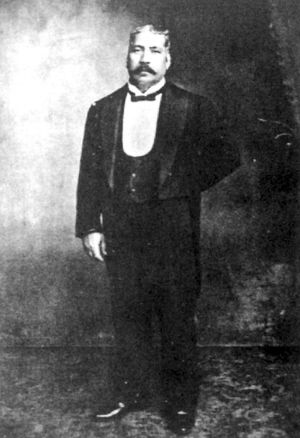
Silas Hardoon

The real mystery as long been how his famous garden and houses, Aili Garden, looked like. Completed in 1909, Aili Garden was built on the plot where the Shanghai exhibition center (formerly Sino-Soviet friendship building) is now located. As seen in picture below, this block is absolutely massive, occupying a large section of Central Shanghai.
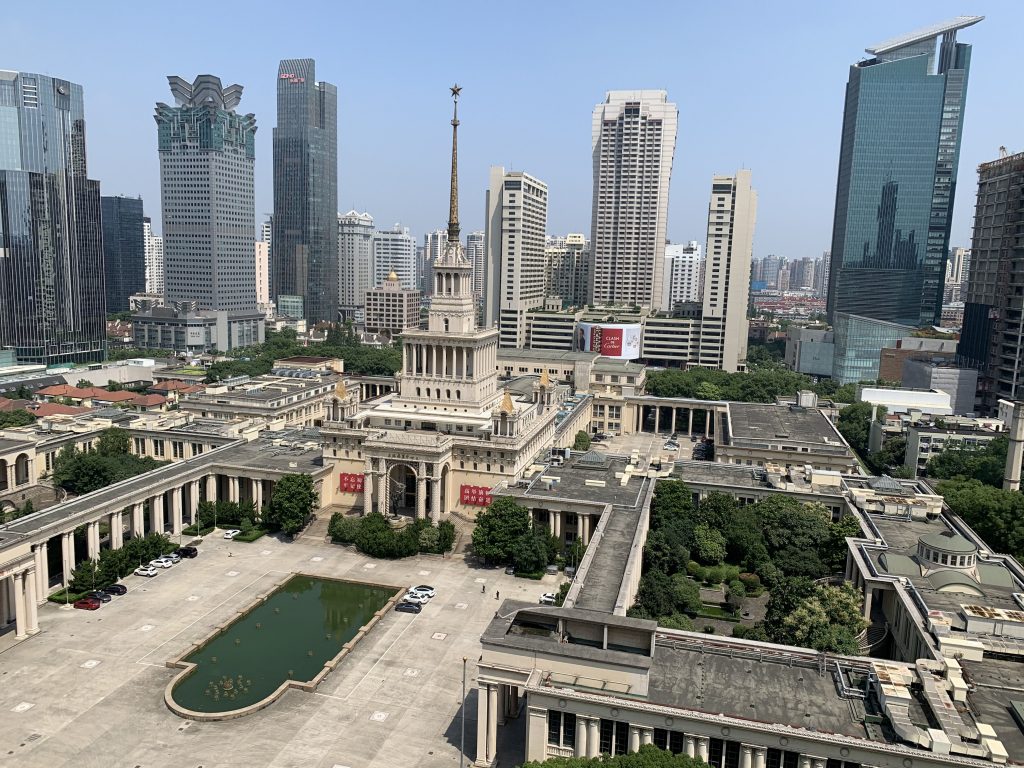
Hardoon’s garden former location

Although Silas Hardoon was already very rich when he built the place, the Bubbling Well Road area (today Nanjing Xi Lu) was still a far away suburb. In the 1910s, this was the area for big mansion with large parks, including the Rong Mansion and the original Mc Bain mansion that was turned into the Majestic hotel. It really became densely populated in the 1930s, when the Hong Qiao had become the new place for large estate and large villas, a little like today’s Qingpu district or Sheshan area. Picture below gives a clear idea of the street view of the time.
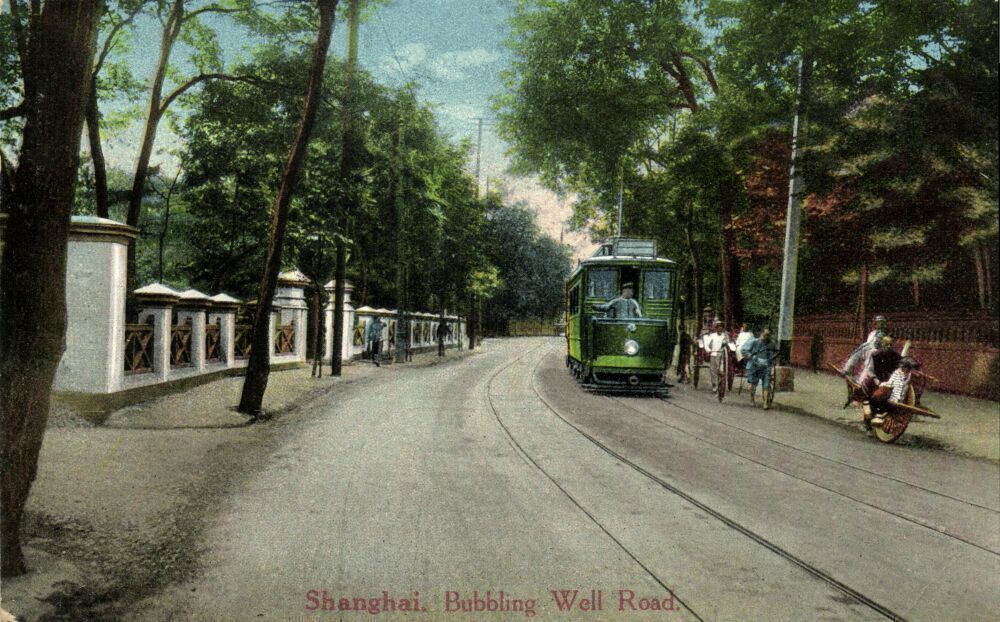
Bubbling Well Road (today Nanjing Xi Lu) 1910.

The garden was used as base by the Japanese army from December 1941 and mostly destroyed by fire in 1943, freeing prime location space for the construction of the Shanghai exhibition Center in 1956. There was no picture available of the garden and its appearance was only described in a few books. Hardoon’s garden was lost in history.

This is until my good friends from Historic Shanghai found a source and published unseen original pictures from Hardoon’s family.
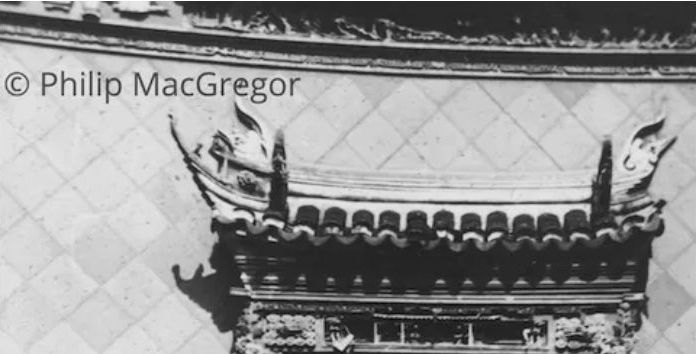
These amazing pictures can be found at this link: http://www.historic-shanghai.com/inside-hardoons-garden/
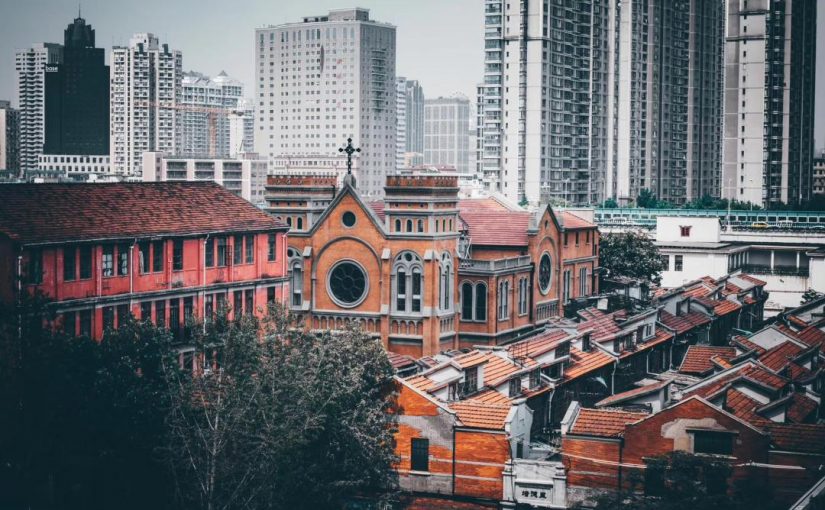
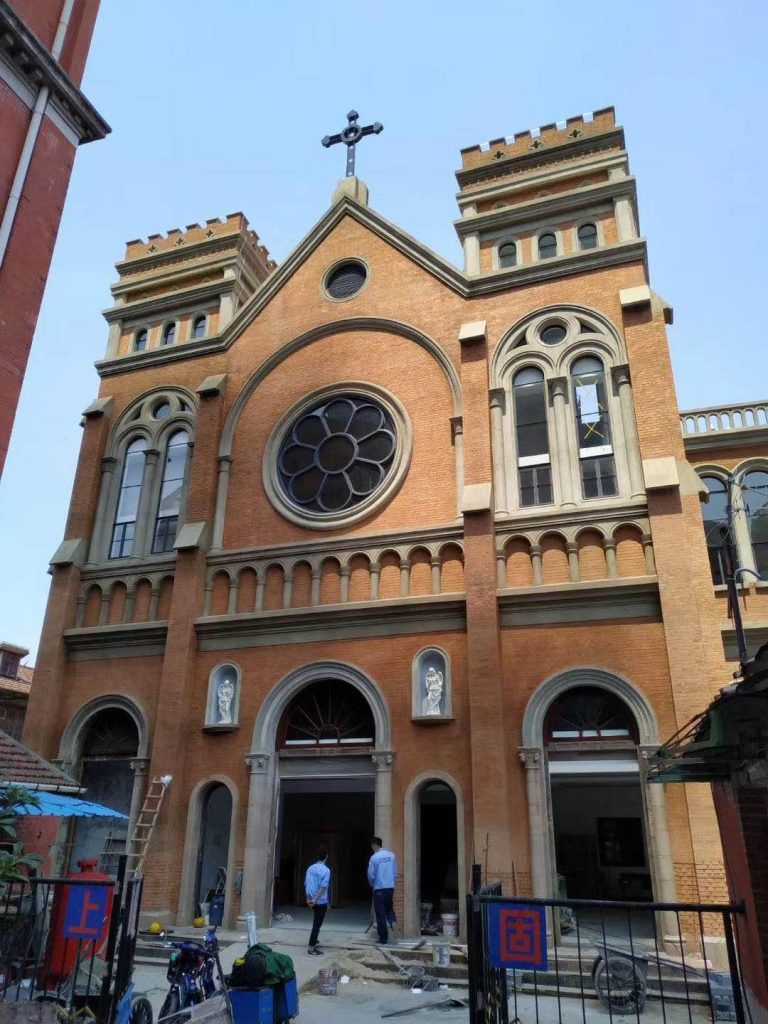
Saint Therese Church

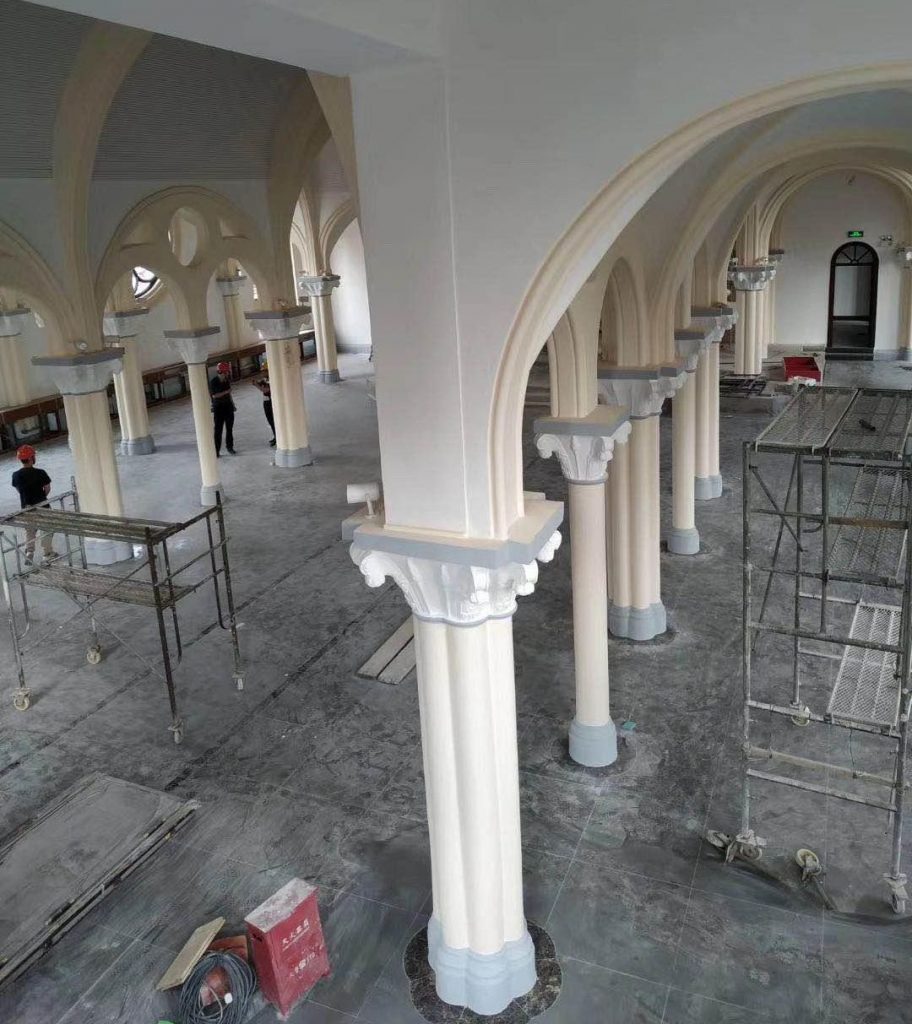
This church is hidden in the labyrinth of lanes from 370 Da Tian Lu, currently in Jing An district. When I first found out about it, it was really difficult to see from the outside as the whole are area was surrounded with blocks and block of lane. This area has now changed tremendously, with most of the blocks now transformed with tower blocks and sometimes a park. This picture from my friend Shi was a good opportunity to write a post about Saint Therese Church.

There is very little information about Saint-Therese of the Child Jesus (or Sainte-Thérèse de l’Enfant Jésus as it is known in French) to be found. The Catholic Church was built in 1931, on the spot of former Saint-Joseph Church damaged during 1927 fights. It is of neo-roman style, with double front columns. Construction started on 30th Octobre 1930 and the Church was consecrated on 3rd October 1931 by Mgr Auguste Haouisée, who later became the first bishop of Shanghai.

Saint Therese de Lisieux was a French Catholic Discalced Carmelite nun who became widely venerated in the 20th century. She was canonized in 1925, and named co-patron of the missions, with Francis Xavier by Pope Pius XI in 1927. As Saint-Therese was highly venerated at this period, the dedication to her was an obvious choice. Mentions of several Churches dedicated to her in Asia around the same period were found during the research for this post, including Hong Kong, Singapore, Hangzhou and Saint Theresa Cathedral in Changchun.

What makes this Church special in Shanghai is that it is a Catholic Church located in the International Settlement, where Christians missions where mostly seated. It is away from the French Concession, where Catholic Church was predominant, as well as away from Xu Jia Hui Jesuits area. It is also in a area that was mostly Lilongs, the local style of accommodation, away from the areas where most foreigners lived, so probably aimed and maybe financed by the local population.

More on Coca-Cola ads

Recent post Coca-Cola in Old Shanghai, was dedicated to a particular ad for Coca-Cola in Shanghai in 1938. This lead into researching it’s largest competitor in Old Shanghai, the Aquarius water company. This pushed me into more research about Coca-Cola advertising in Old Shanghai.

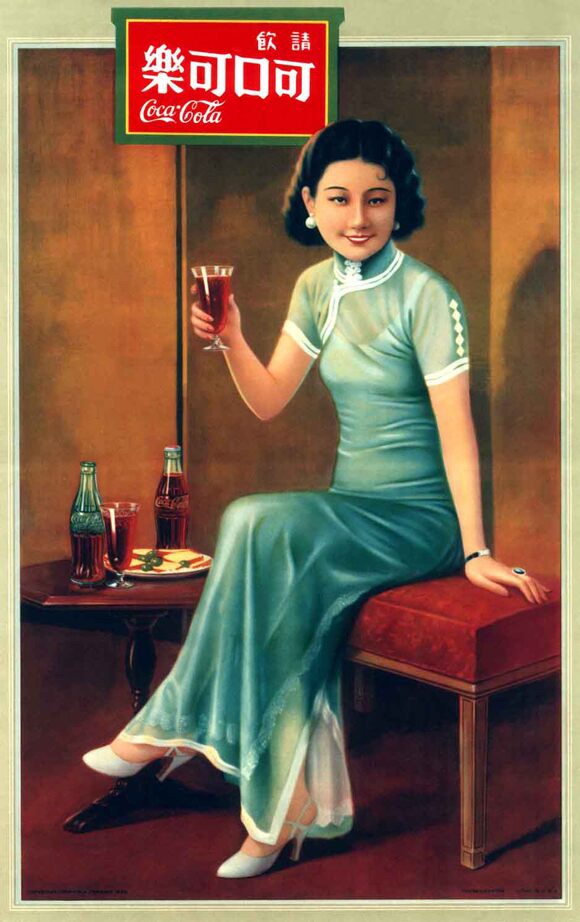
This 1927 add is probably the most famous one for Coca-Cola in Old Shanghai. It feature super top movie star Ruan Lingyu. This particular ad was used again for marketing material by Coca Cola around 2010.

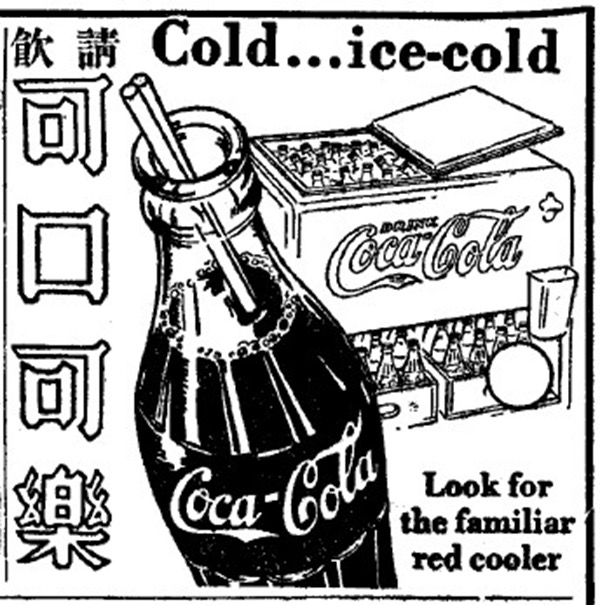
Ads in magazine was a major channel a the time, like the one above, from 1938.

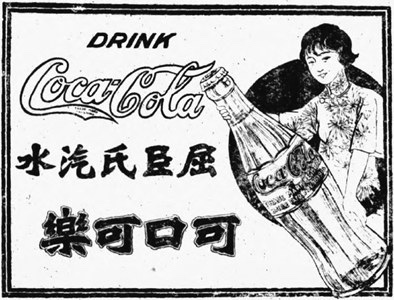
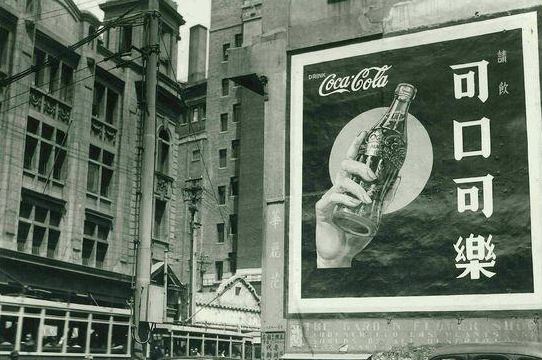
Mural was also a major advertising channel. I am not exactly sure where below picture was taken, but surely in the business district behind the Bund.

For more info about foreign brands in Old Shanghai, go to the excellent site of MOFBA (Museum of Foreign Brands Advertising in the Republic of China).