393 Route Ferguson

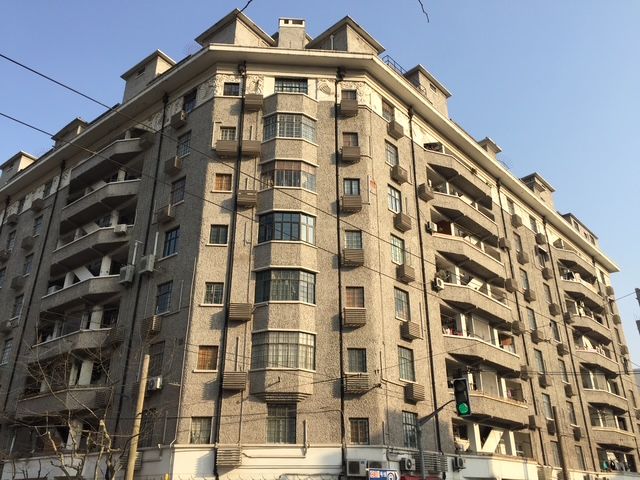
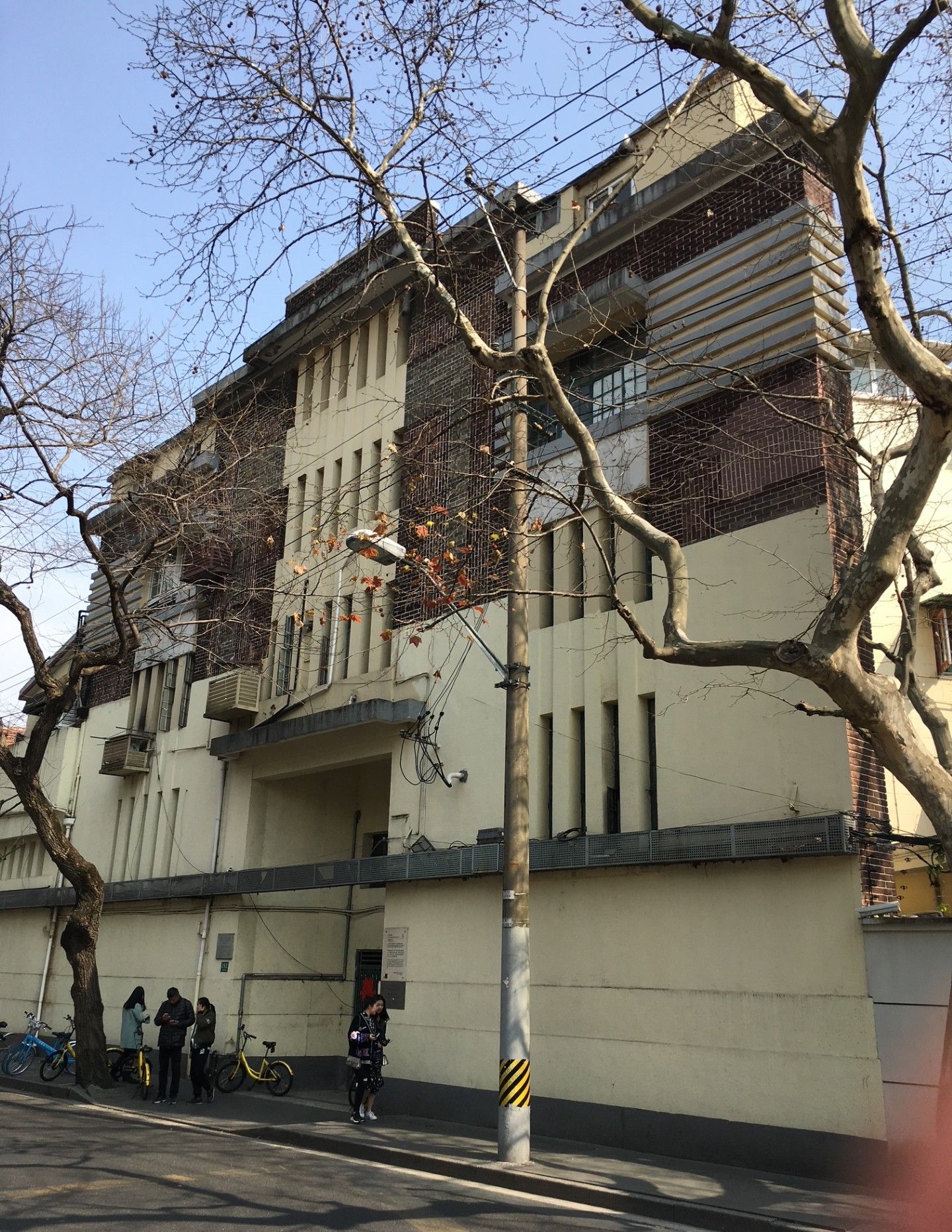
The house located on 393 Route Ferguson, today 393 Wukang lu, is often featured as an example of Shanghai Art Deco. Although I passed by it many times, I only recently discovered its amazing history.

This specific address came up in previous post “How did Love and duty come to Uruguay?“. It was the Shanghai branch of the Geneva based “Bibliothèque Sino-International” (BSI) created in Geneva in 1932 by Li Shizeng / 李石曾. This Sino- International library aimed at display and share Chinese culture to the World and in particular to Europe. It had a Shanghai branch, located 393 Fergusson lane, a property bought by Li Shizeng at the end of the 1920s. Its goal was to put Chinese people in touch with foreign culture by making foreign books available to the Chinese public.
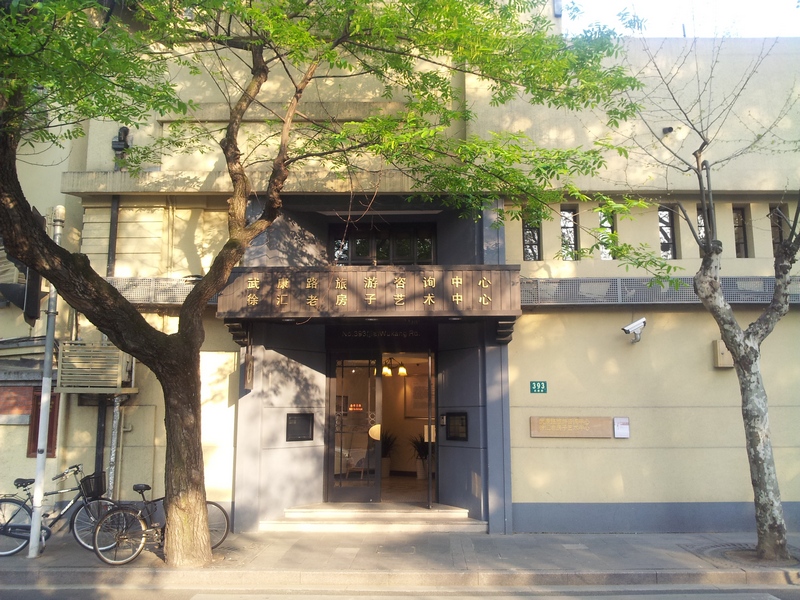
Wukang Lu 393

Libraries were the great cultural tool at the time, long before the internet. Several other libraries in Shanghai had a similar mission, like the Yong Yin Library a few hundreds meters from the BSI. Other examples include the Hezhong Library, and the library of the Royal Asiatic Society.

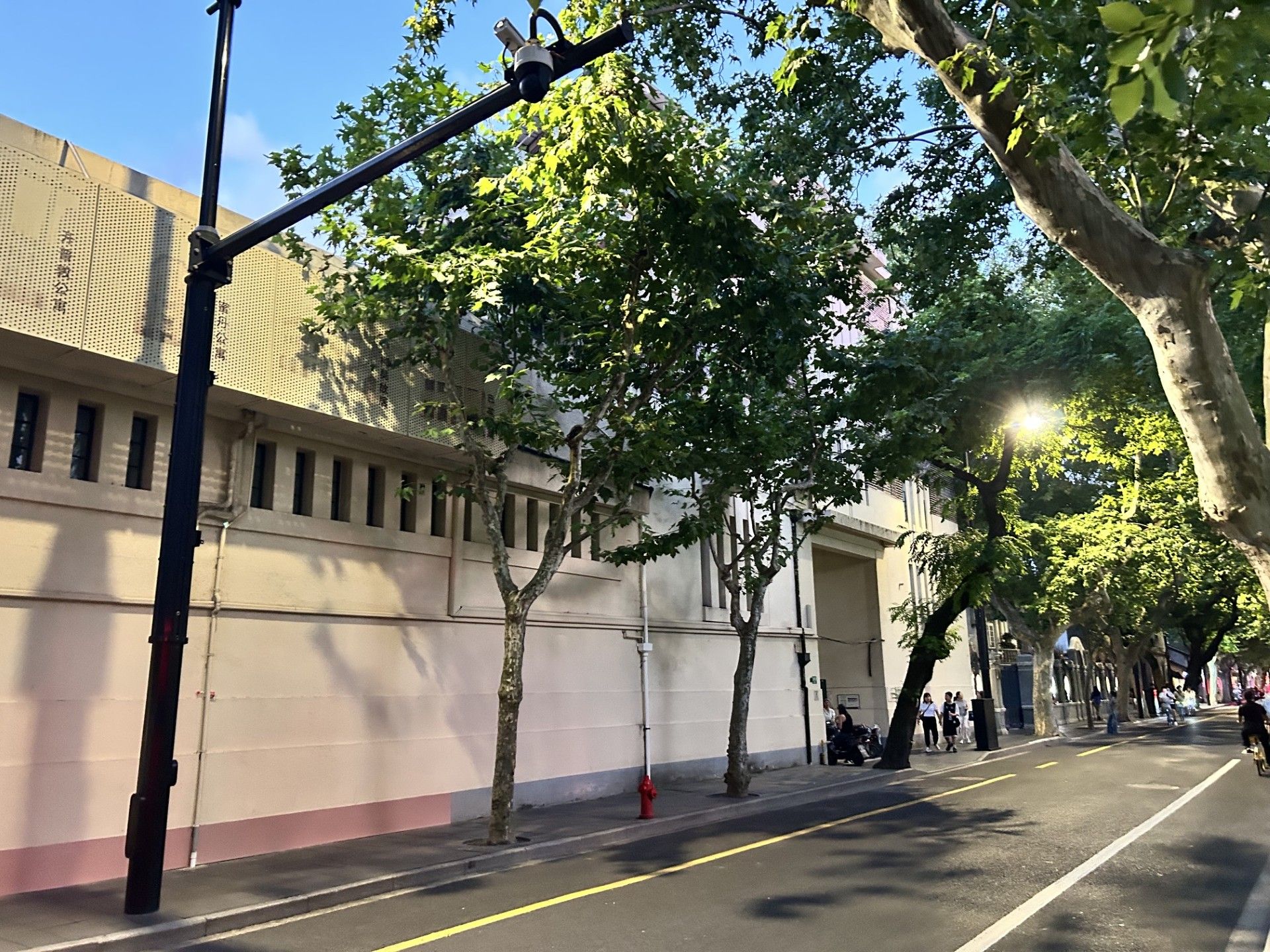
Located a few steps behind the Normandy building (called nowadays 武康大楼), 393 Wukang lu is a long and the building with 2 different parts. It was constructed in 1933. The flat part now hosts the Wukang lu tourist information center. Entrance to this part is on the left side of the building and was the entrance to the BSI.

Thanks to researcher Xavier Bouvier, the location is confirmed by below picture from an original brochure from 1934 about the BSI both Geneva and Shanghai branch, that he shared with me.
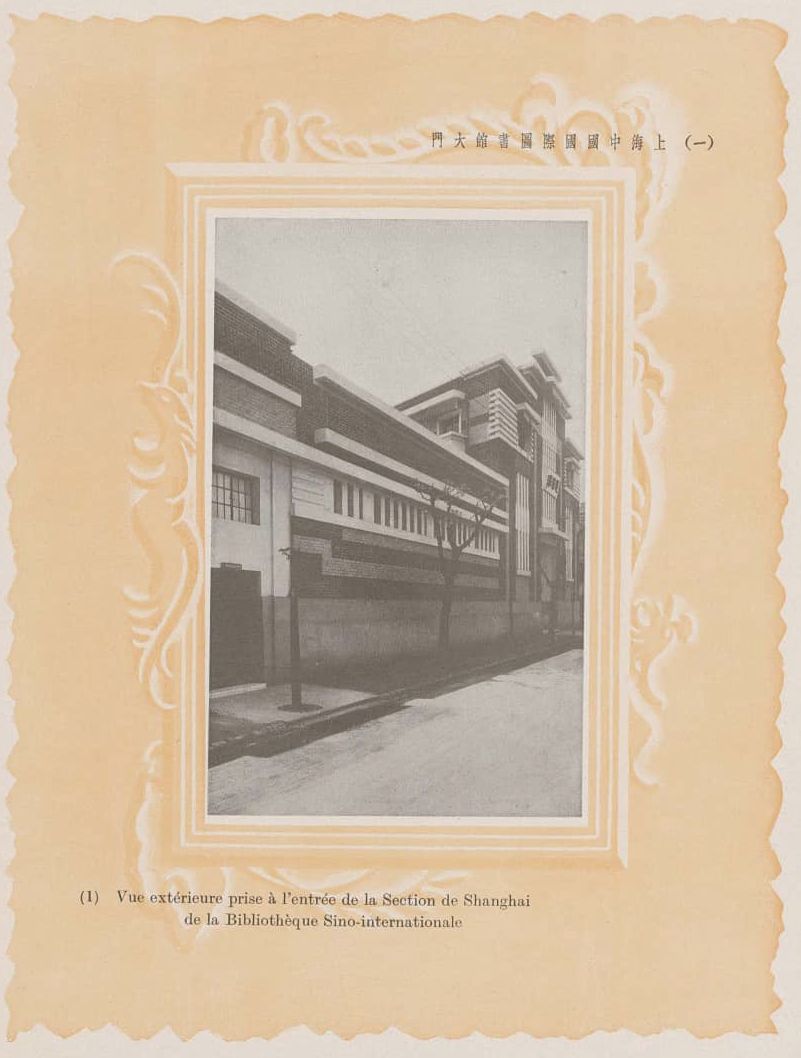
Trees have grown since then, but the view is quite similar. The right part of the building is an apartment building.
The BSI in Geneva contained 200.000 books in Chinese. The Shanghai branch of the BSI contained about 50.000 books in mostly French and German. About 2000 of them originated from a donation of the “Club Diderot”, led by Alexandra Roubé-Jansky. She travelled to several times China between 1932 and and 1935 before spending some time as Shanghai correspondant for French daily Paris Soir in 1936.

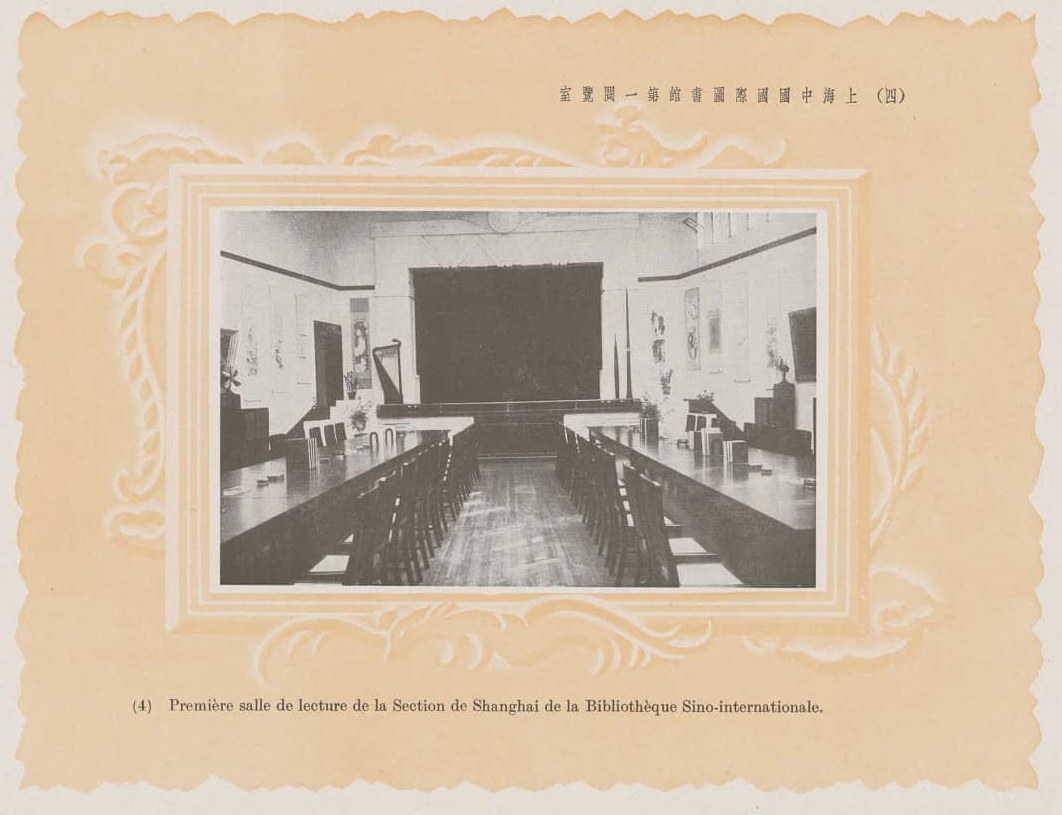
The inside of the building included a number of reading rooms, as well as storage rooms for books. The inside of the building has been remodeled and is now the Wukang Lu Tourist center. As the space is now fully open, it clearly shows that the building of the BSI is of triangular shape. Originaly, the space was devided in several rooms. As shown on picture below, the number 1 reading room of the Shanghai branch had high up windows facing the street. This must have been on the right-hand side when coming into the library.
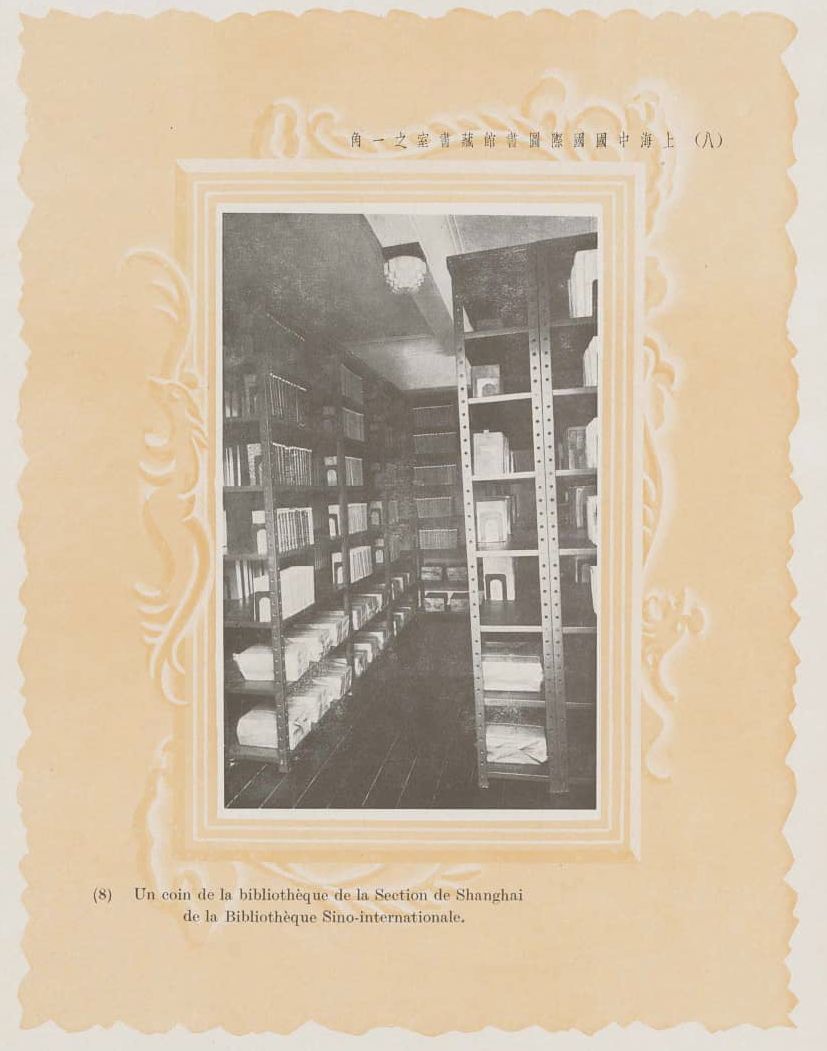
Another picture shows rows of books, in the library. Clearly 50.000 books needed quite a lot of space for storage.
The apartment building on the right side of the building has a separate entrance from the BSI. Its façade is noticable with its high entrance and narrow windows.
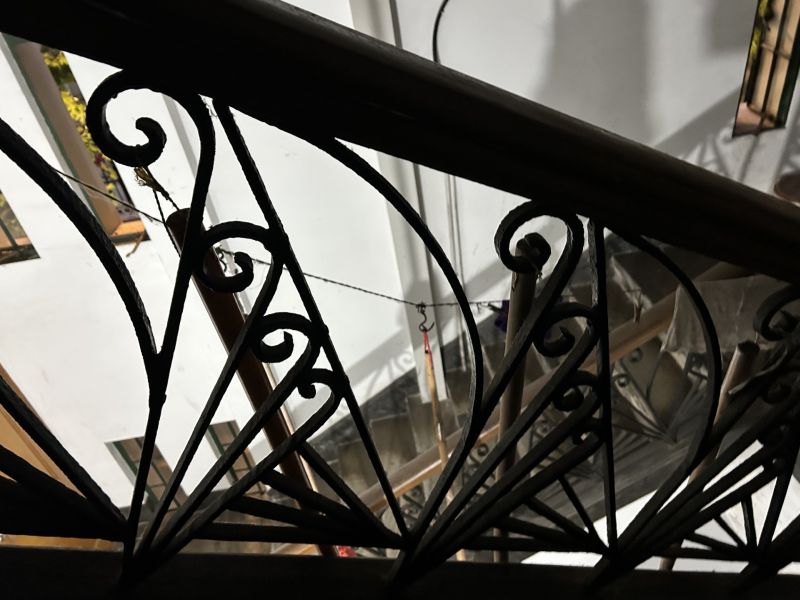
Interior shows a spiralling staircase with wrought iron art deco guardrail. The narrow windows are very specific to this building.
Thanks to Shanghai journalist Michele Qiao, we know that the architect of the building was Li Zongkan / 李宗侃 (1901-1972), who studied at Ecole Speciale d’architecture in Paris. He was the nephew of Li Shizeng. Li Zongkan also supervised the construction of the Nanjing Great Hall of the people, the former National assembly building of the Republic of China built in 1936.
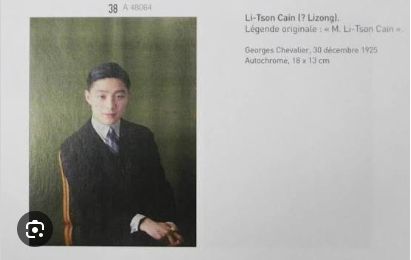
Autochrome of Li Zongkan – 1925

Li Shizeng was a connection of Hua Nangui and Stephanie Rosen-Hoa from their time in Paris. It is safe to assume that Stephanie Rosen-Hoa came to his house during her regular trips to Shanghai, particularly in 1930-31 when making the movie version of Love and duty. She probably also visited the BSI new building after completion.

Shanghailander articles are published on an irregular basis. To be notified when a new article is posted, subscribe to the newsletter using this link, or follow the Shanghailander Facebook page
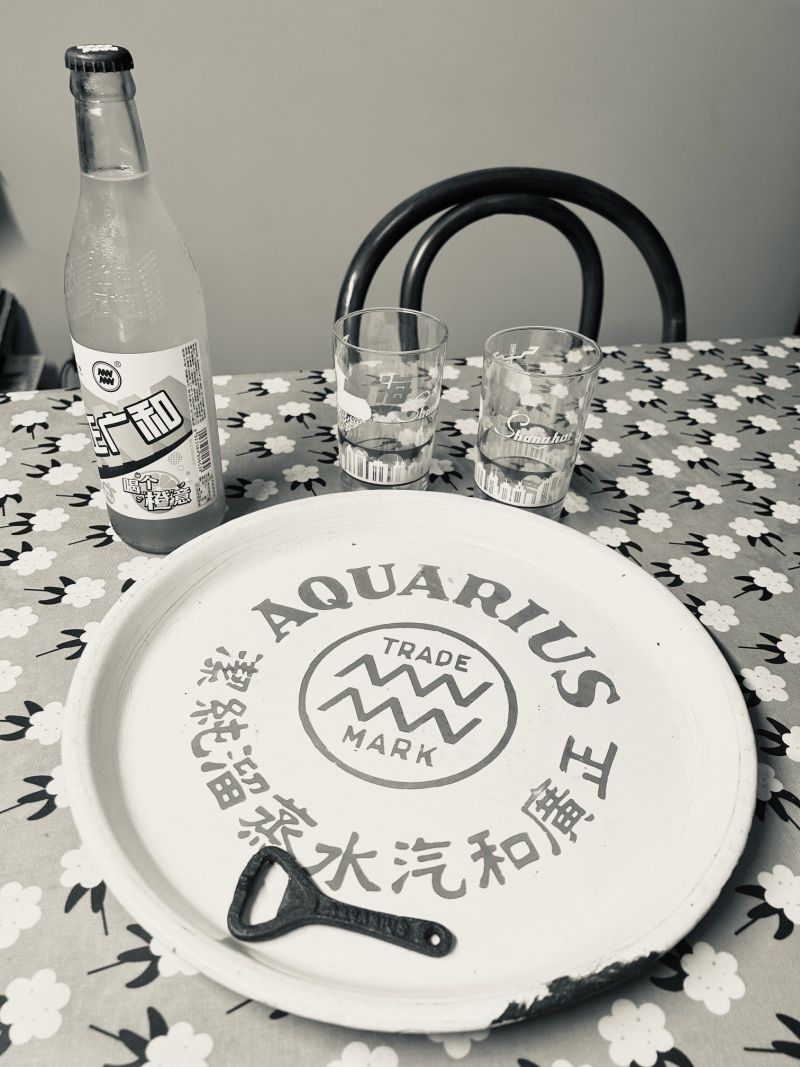
More Aquarius Orange Squash

In the hot and wet Shanghai summer, nothing is more refreshing than a Aquarius orange squash, that has been served in Shanghai since the 1930s. The brand reappared in the 1980s to disappear again. A short lived revival was tried a few years ago, when I had the opportunity to actually drink it.

It seems that Bright Dairy & food (光明 in Chinese), the owner of the brand, has tried to revive it again. This time, inspiration is clearly from the 80’s, 90’s, trying to catch the current nostalgia wave.

This gave me an opportunity for a very vintage picture of an actual Aquarius orange squash bottle, on a 1930s serving tray from Aquarius, using a 1930s bottle opener from Aquarius. Glasses are Shanghai glasses from the 1980s, a good match for this typical Shanghai brand.

After taking the picture, I was able to enjoy this little piece of Shanghai nostalgia.

Shanghailander articles are published on an irregular basis. To be notified when a new article is posted, subscribe to the newsletter using this link, or follow the Shanghailander Facebook page
Farewell to Liliane Willens

The last years have been tough on the ladies of Old Shanghai. Only a few people remain who actually lived in Old Shanghai. We just lost a really special one in the recent days.

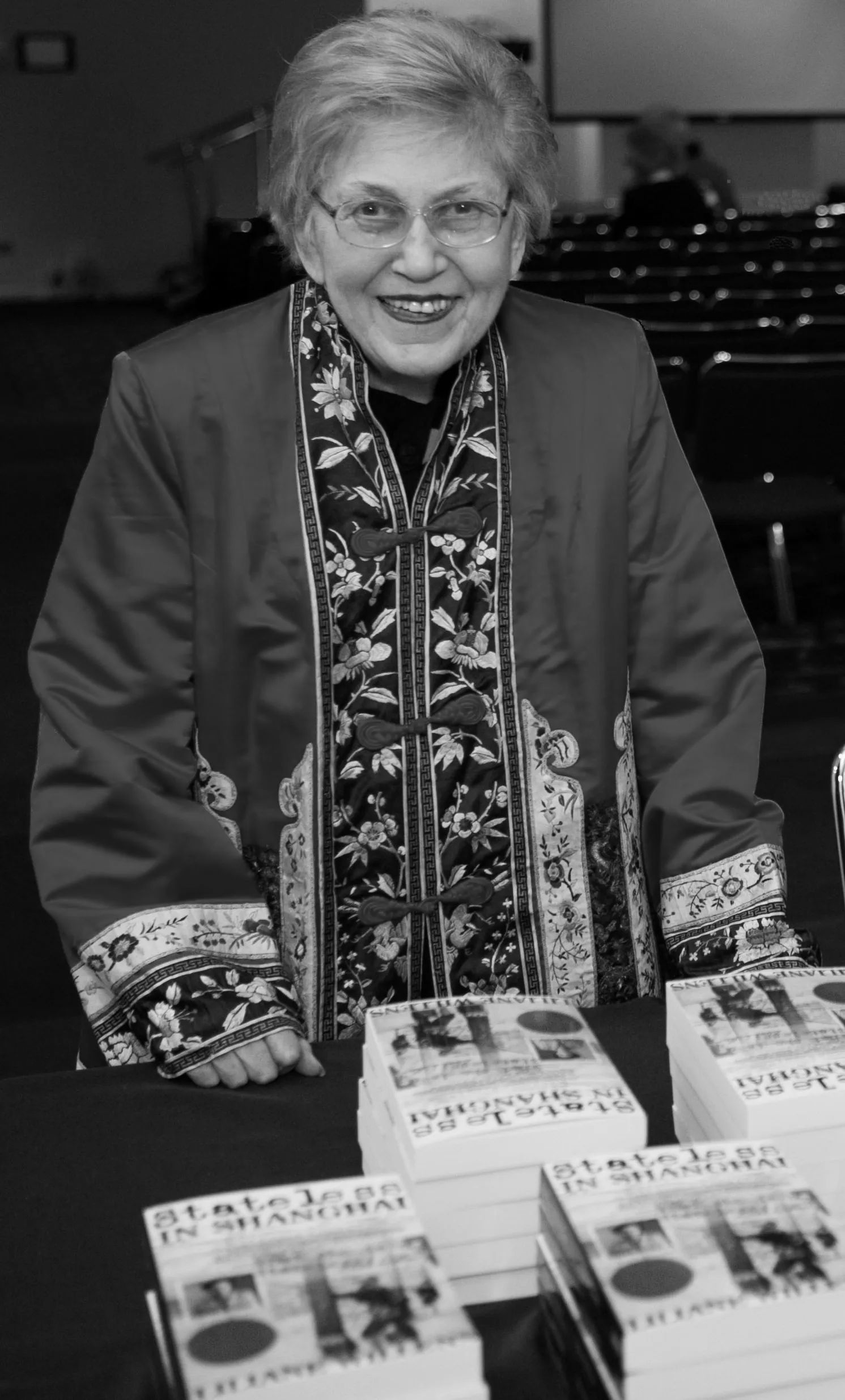
Liliane Willens presenting her book (photo Historic Shanghai).

Liliane Willens (mostly called Lily) was born in 1926 in the French concession. Although she was of Jewish Russian heritage, her father managed to get into a the French community thanks to his excellent French, making the family pass as Romanian. He worked for a Canadian insurance company, offering Liliane and her family a priviledged youth in the French Concession. Although she moved several times, her main home was the Savoye apartment on Route de Say Zoong善钟路 (today Changshu lu). French was Lily’s native language.

The Savoye on Changshu lu

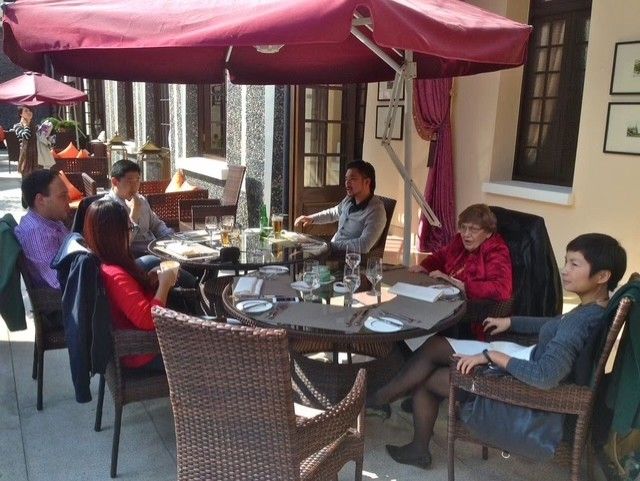
She attended the French College Municipal Français, on Rue Vallon (today Nanchang Lu / 南昌路). This was the school of the high society of the Concession, mostly attended by French people. Teaching was following the French national curriculum, taught by French teachers. This was a different class from the Ecole Remy a few blocks away, that was “for the Russians, for the poors” as Lily used to tell. This is also the place when I presented my conference about Stephanie Rosen-Hoa in April 2025. Below picture was taken at the former French College Municipal Français a few years ago, when it was turned into a restaurant. Liliane was always happy to talk about her school time there.

Photo thanks to Didier Pujol

Although Liliane claimed that she was not a good student, this was enough to get her into university in the USA when she finally made it there, graduating with a PhD in French language and litterature. She went on to teach at Boston College and MIT, before working for USAID.

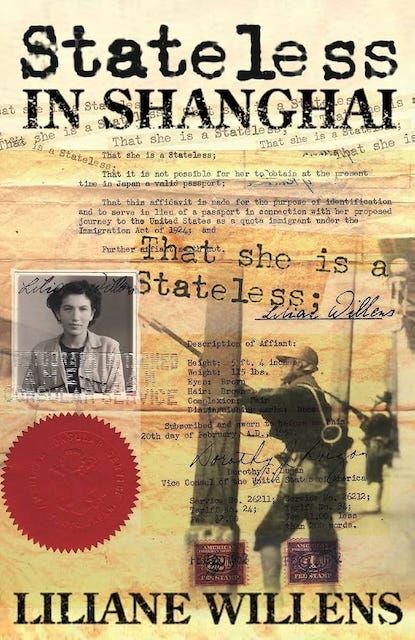
Due to the war and bureaucratic nightmare, she only left Shanghai in 1951, spending a few years as stateless, having no home state to call for. She never forgot about Shanghai though, and finally came back to her beloved home city in 1996. The city had changed, but she recognised most of it. She came back again and again, including in 2009, when I met her as described in post “A date with Liliane“. At that time, she was finalising her book “Stateless in Shanghai”, that came out in 2010. She returned to Shanghai many times, giving speaches about her life in the city and promoting her book.

During one of those visits, she had a chance encounter with a lady that used to live a few steps from her, Elena Nemtzeff (see post “Meeting of old neighboors“), though they had never met in Old Shanghai.

Liliane went on researching new topics such as Russians in Harbin, where her family had come from. She came regularly to Shanghai, until CoVid forced her to stay away from her beloved city. She passed away on 7th Aug 2026, aged 99 and will be sadly missed.

Shanghailander articles are published on an irregular basis. To be notified when a new article is posted, subscribe to the newsletter using this link, or follow the Shanghailander Facebook page