Union Brewery building

A recent trip to Shanghai Ecological park along the Suzhou Creek was the opportunity to go and revisit the former Union Brewery factory, a Hudec building that has mostly been forgotten.
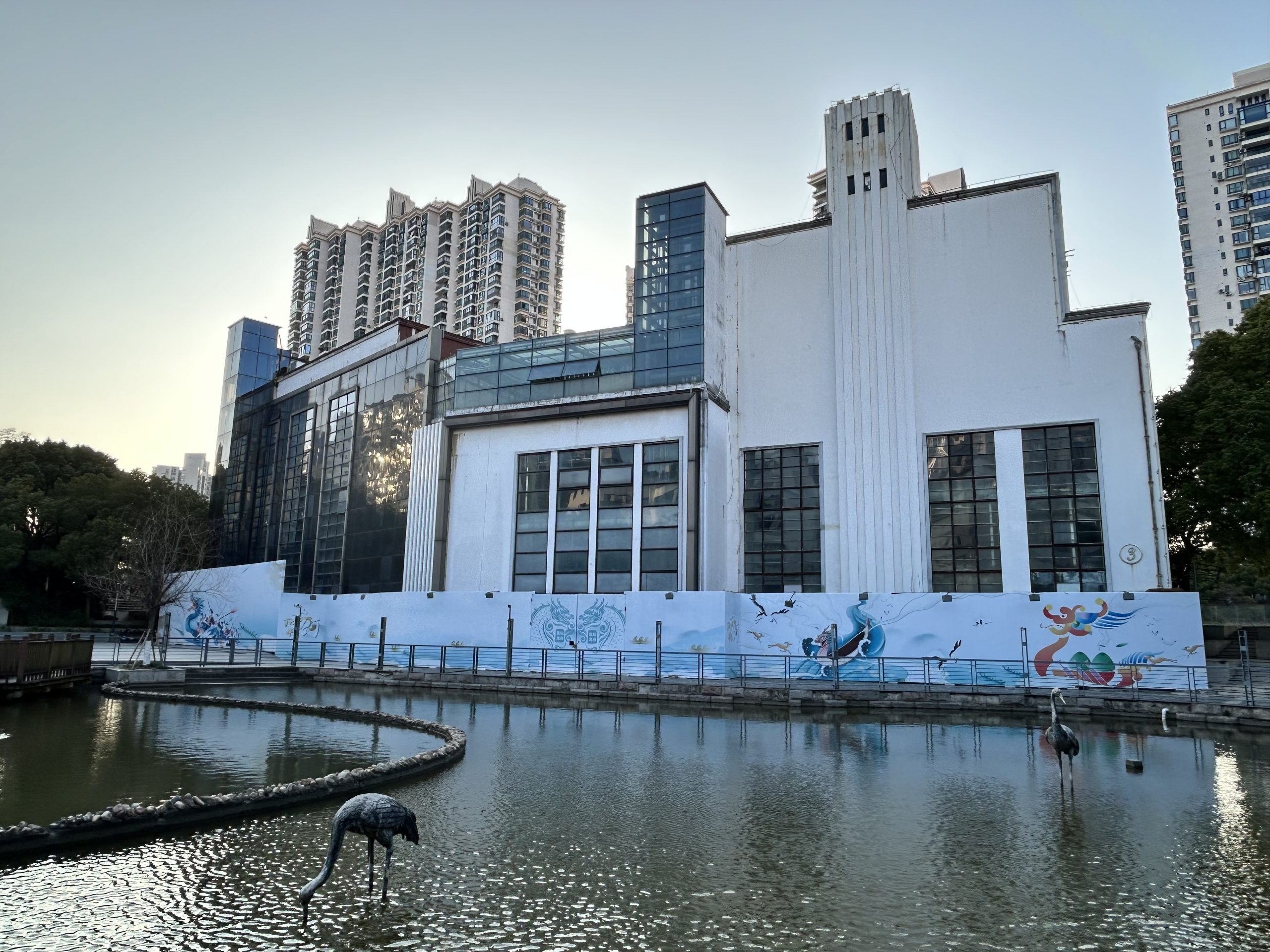
Union Brewery building by Laszlo Hudec

Union Brewery / 友啤 started as German owned company in the late 19th century. It then became a Scandinavian owned company. By 1931, it was purchased by investors including ED Sassoon & Co, owner of the Cathay Hotel (today peace Hotel) and Calbeck Mc Gregor, which imported Lanson Champagne to China. A new factory was commissioned in 1935, design was given to Laszlo Hudec. It was completed in 1936.
Union Brewery office building

The 28.800 sqm area also included a large streamline design building. The right part with the angle is very typical of streamline design, echoing Paris Callot building completed in 1933 (see post Paris streamline building).
Comparing the 1937 British map and today satellite, it is clear that the area was surrounded by factories, in particular cotton mills. All those factories were using the river water and dumping used water in it. The Suzhou creek was not as clean and nice as today and sometimes had weird color due to textile dying process in the factories on its sides.
Above sketch shows that only a few buildings remain. The pond on above photos is probably where the main building once stood.
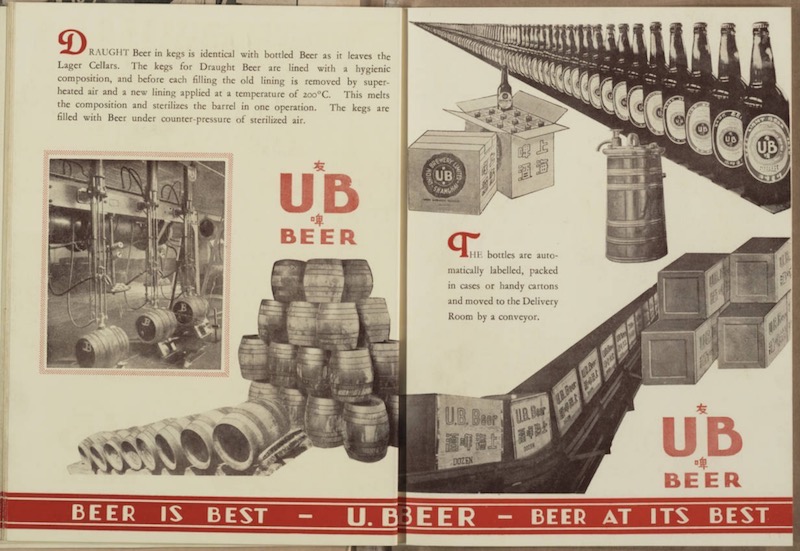
The above add gives a sense on how the beer factory looked inside. Surely very modern and efficient at the time of construction. It had the production capacity for 1 m crates of beer / year, and claimed to be the largest in Asia.

Union Brewery was one of the leading beer brand in Shanghai, along with its competitor Ewoo beer, owned by Jardien & Matheson (Ewoo / 怡和 in Chinese). One of the large company of Shanghai, Union Brewery was listed on the stock exchange. It made both pilsener and brown beer. Beer was advertised as “good for health for young and old”. It was a modern and fashionable drink.

Union Brewery logo

In the 2000’s, the former United Brewery building became the (now long gone) entertainment complex Pier One, with restaurant Mimosa, bar Monsoon and night club Minx. It appears to be currently unused. It is located at 130 Yichang Road / 宜昌路130号 in Putuo district.

Shanghailander articles are published on an irregular basis. To be notified when a new article is posted, subscribe to the newsletter using this link, or follow the Shanghailander Facebook page.

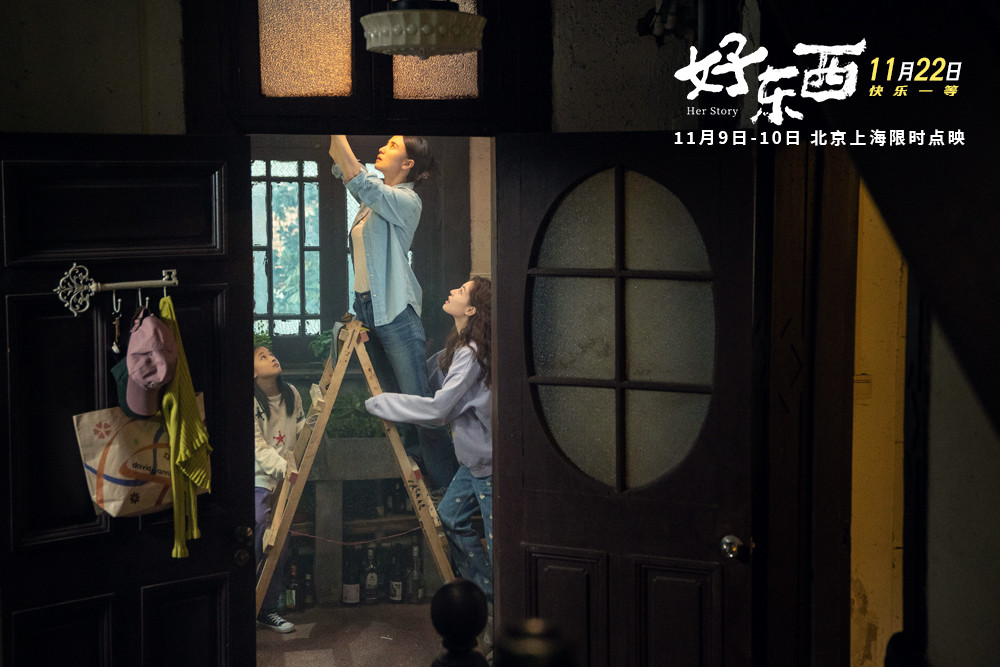
好东西 / Her story

I saw the movie 好东西 / Her story by random on an airplane. It’s only after watching it that I realised that director 邵艺辉 / Shao Yihui also made the movie 爱情神话 / “B for Busy” that I wrote about in 2022.

Both movies have a lot in common. They study the life of a few characters and their relationships over a short period of time. They are very intimate and make me feel like watching some French movies. Both movies are filmed around the streets of Shanghai former French concession. The city, its 1920s and 1930s buildings and its streets lined with pane trees are the main characters of the movies. Some of the indoor scene shows the details and charm of those old buildings, along with the (minor) drawback of living in those.

One of the main difference between both movies is the kind of people involved. B for busy’s characters were mostly talking in Shanghainese dialect, describing the live of a group of local Shanghainese people. This made it very popular in the city when it was out in 2022. Her story is about people who live in Shanghai but are not originally from the city.

Shanghai dialect is notoriously difficult to understand for non Shanghainese. Although they can grasp it after years living in the city, few non native speakers will ever master it. This is a real difference between local Shanghainese people and those that come to live in the city later in their live. when B for busy was the story of Shanghainese people, her story is the tale of non Shanghainese people who made the city their own. In real life, both worlds live next to each other and are intertwined, but they are still somewhat distant even today.

The director clearly is in love with Shanghai and its historical buildings. I was not surprised to find out that she actually lives in Shanghai, probably around those areas. I must admit that I spent a good part of the movie looking for clues about filming locations.

The main story is focused on a single mother and young singer that happen to become neighbours. They both live in the same old lane house and unexpectedly end up being good friend. The movie is the story of this friendship and of their privates lifes. It’s a light romantic comedy with a strong feministic focus. I found it really enjoyable to watch besides the Shanghai angle. Just like B for Busy, it’s great movie about life in Shanghai.

Shanghailander articles are published on an irregular basis. To be notified when a new article is posted, subscribe to the newsletter using this link, or follow the Shanghailander Facebook page.

1925-2025 One hundred years of Art Deco

1925 was the year of the “exposition internationale des arts décoratifs”, showcasing the style that was later named as “Art Deco”. The exhibition lasted from 28th April 1925 until end October 1925. The 100 years anniversary is the opportunities for many events and exhibition to Art Deco all over the World.

The center of the action is obviously Paris, where many exhibitions and events take place. In October, the World Congress on Art Deco in Paris was organized by my friends at Paris Art Deco society. The main official exhibition is at Museum of decorative art in Paris. Named “1925-2025 One hundred years of Art Deco”, it is located in the same location that hosted the “Spirit of Bauhaus” exhibition in 2016-2017, an artistic movement closed related to Art Deco.

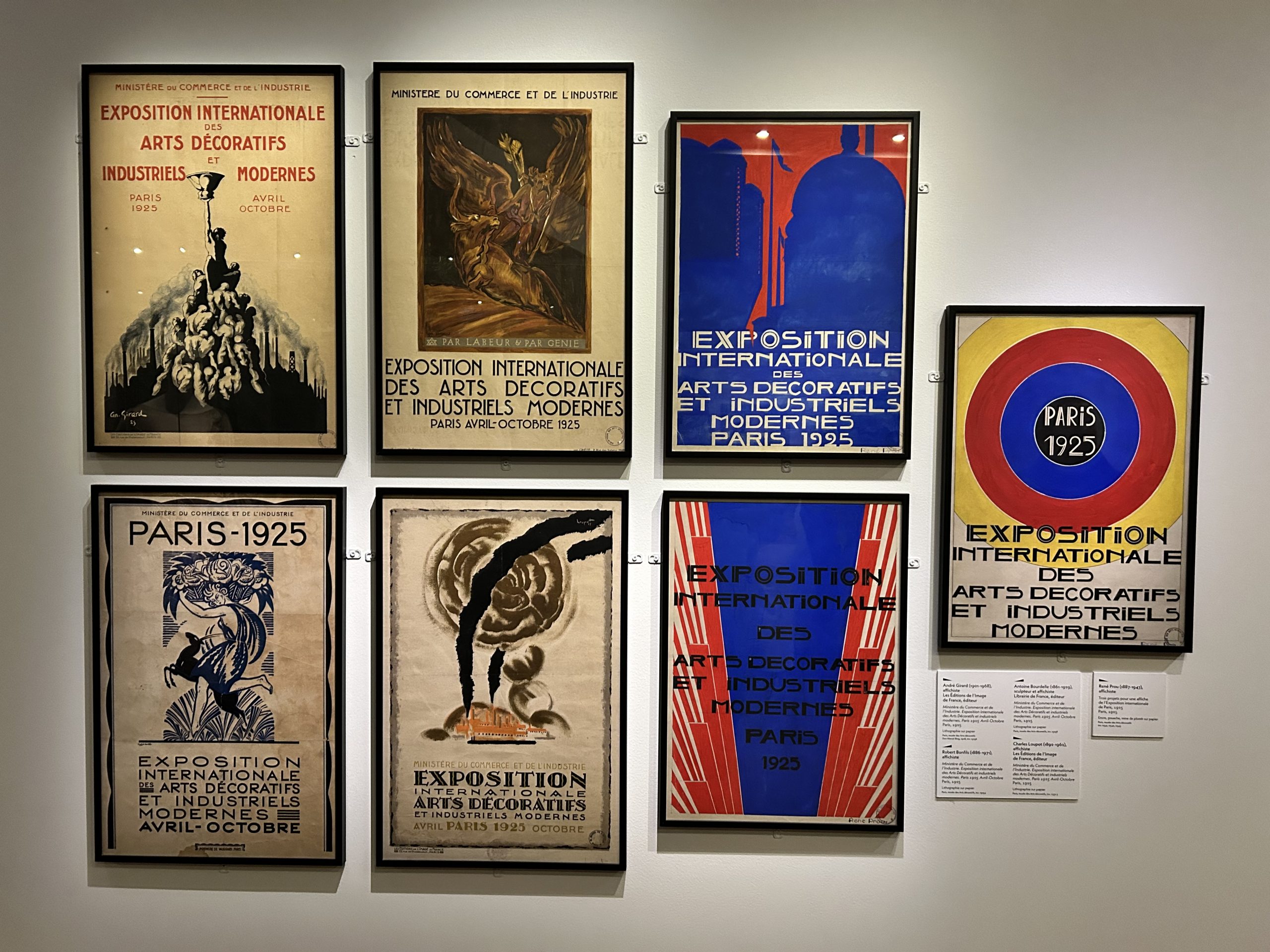
The exhibition mostly focuses on Art Deco for interior decoration, starting with posters of the 1925 exhibition.

Posters of the 1925 exhibition

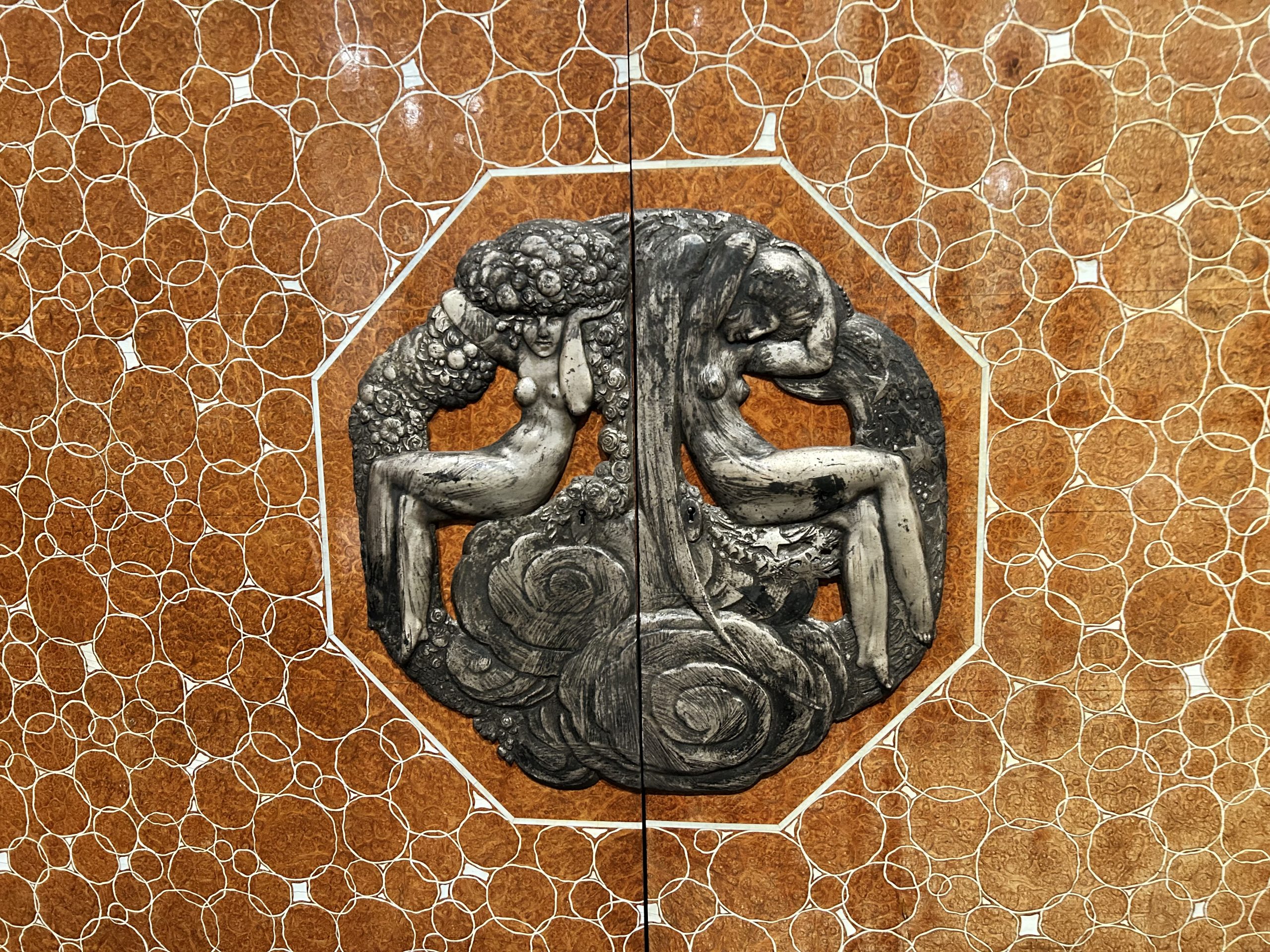
Many items are shown including furniture, tapestry and glassware from the collections of the Museum.

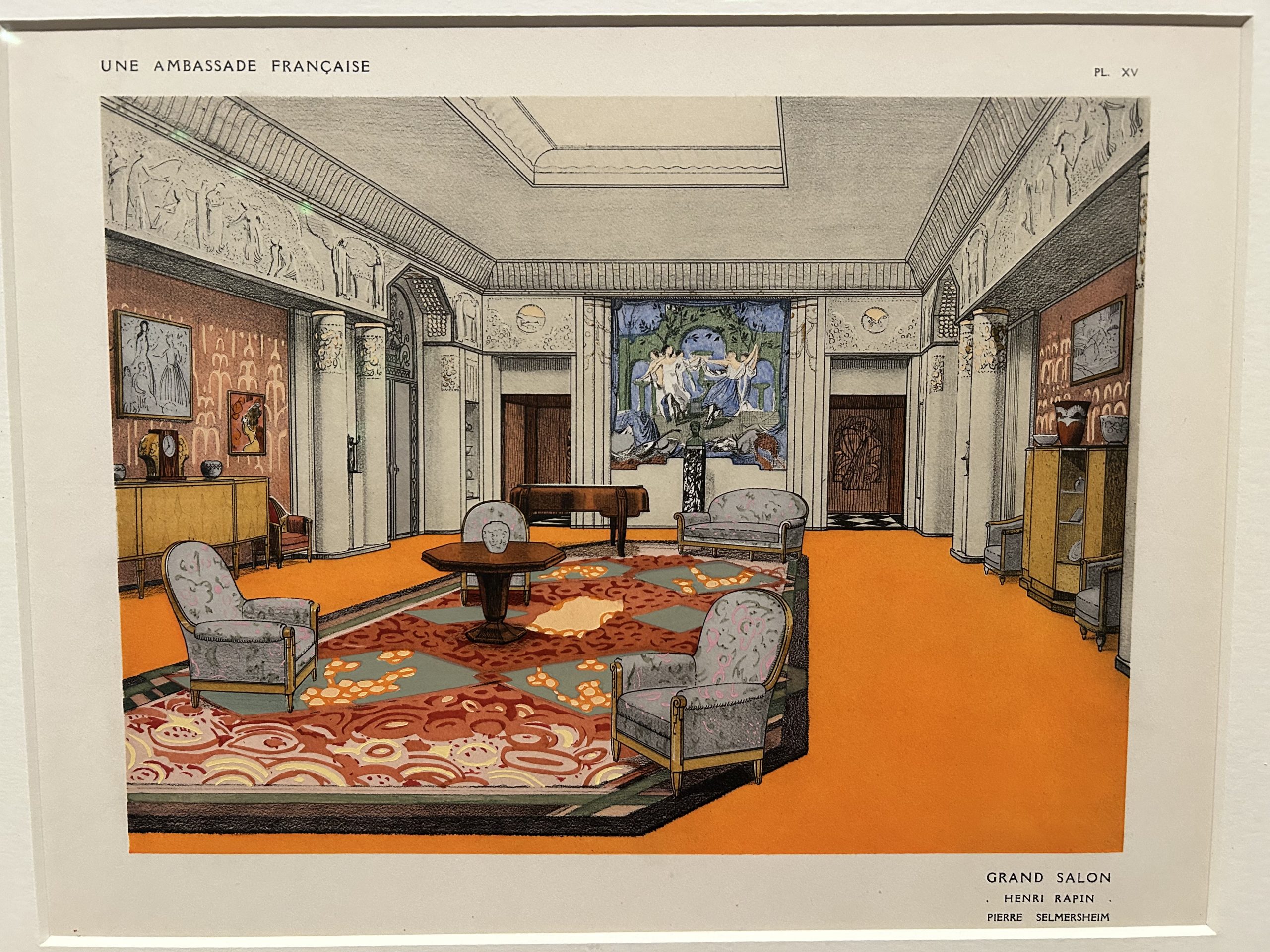
A large part of the exhibition is focused the “French Embassy” project, that was showcased at the 1925 exhibition.

extract from “Une Ambassade Française”

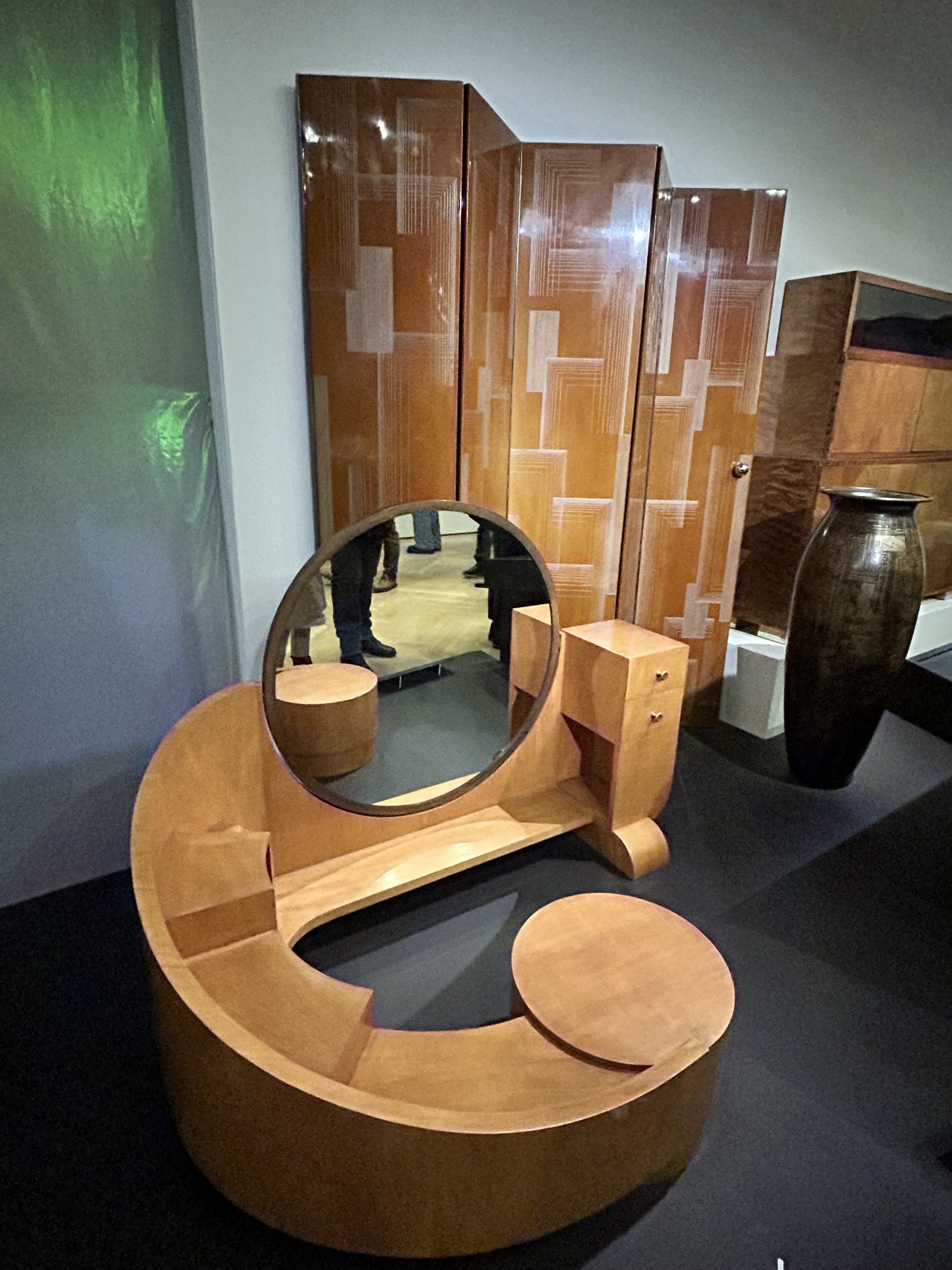
Dressing tables and fans like in below picture are also often in Shanghai Art Deco.

Dressing table and fan

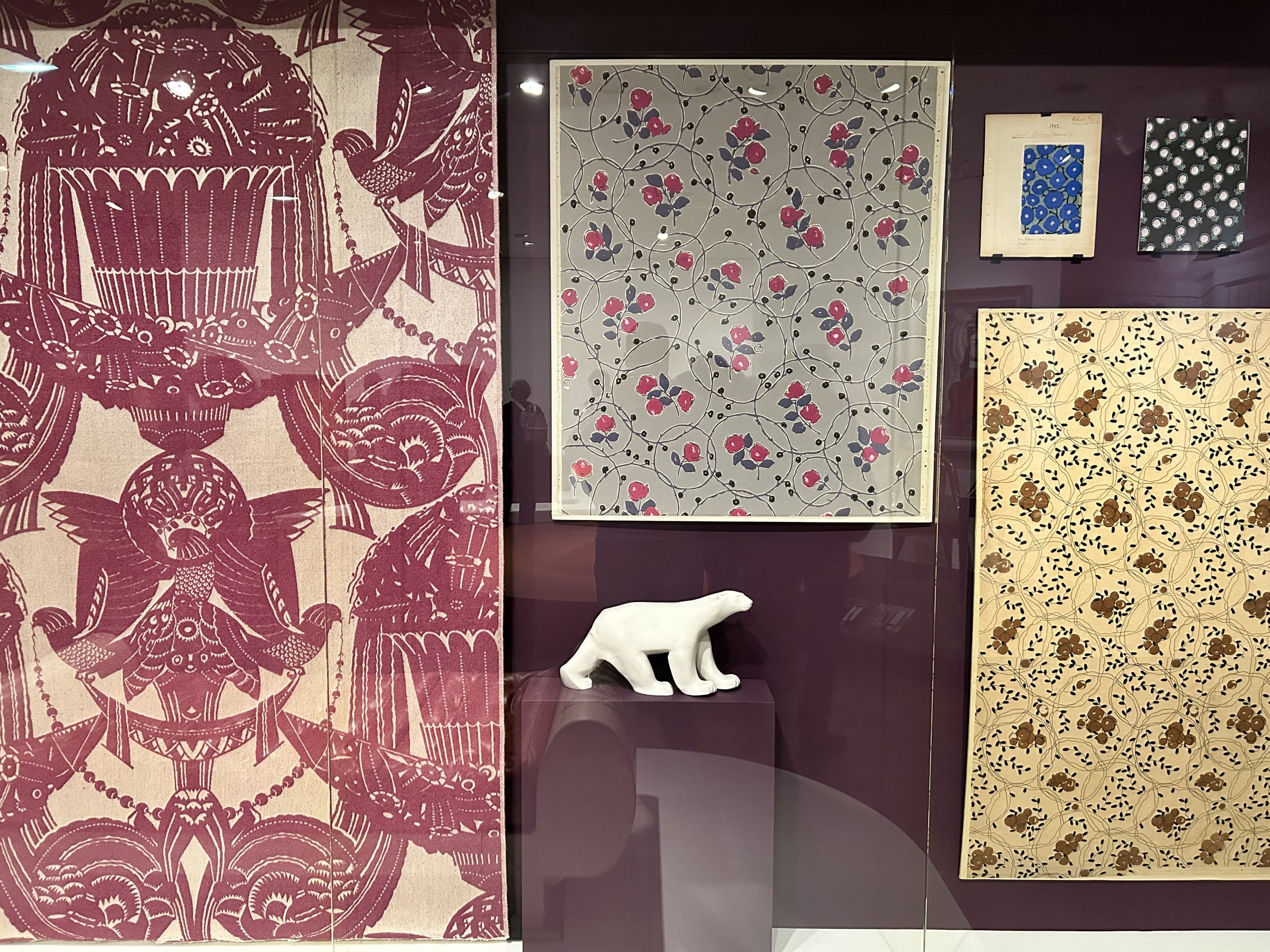
It also included printed textiles and a copy of the bear statue of François Pompon, a famous sculptor from Dijon.

Printed textiles and the bear

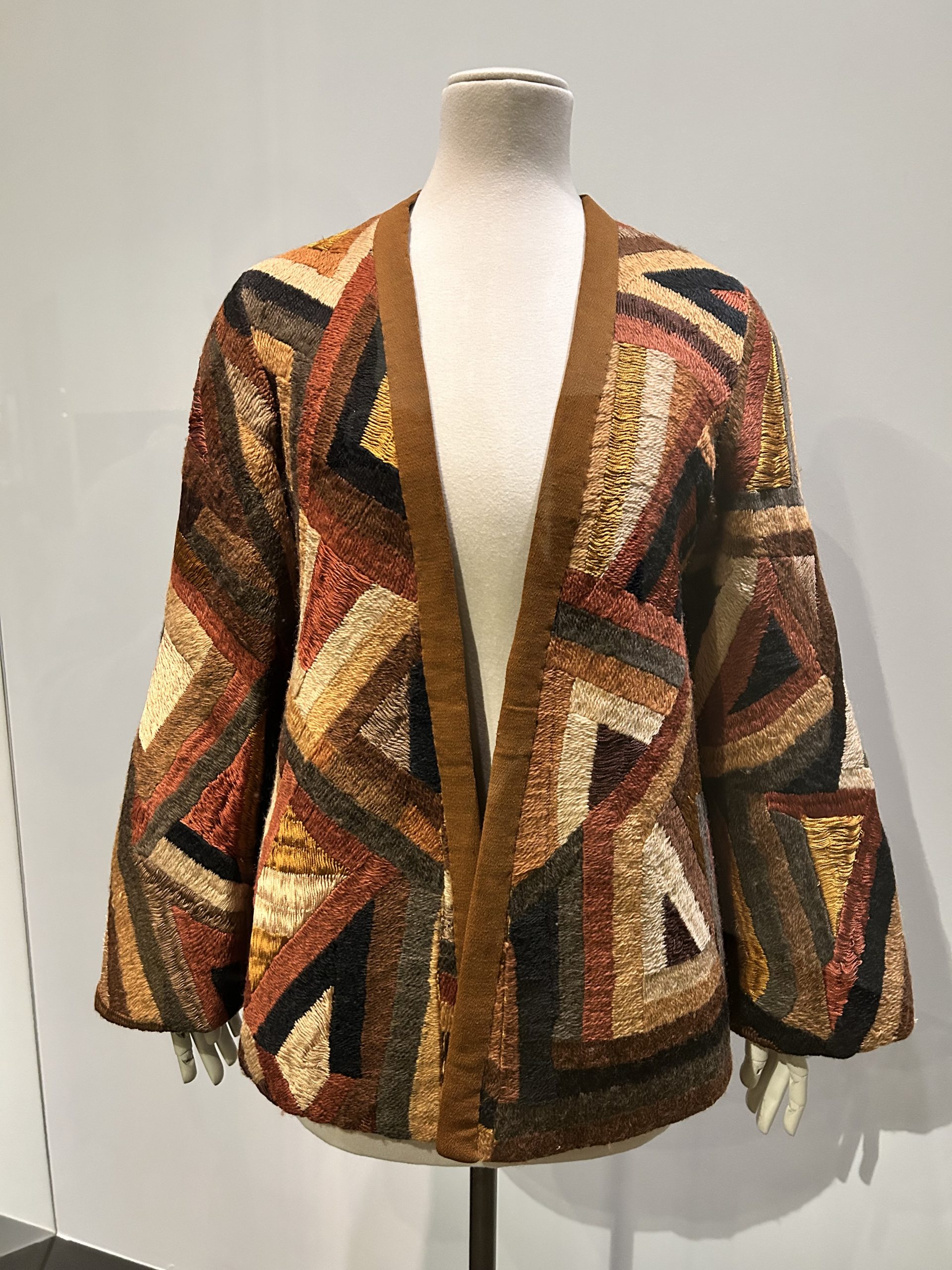
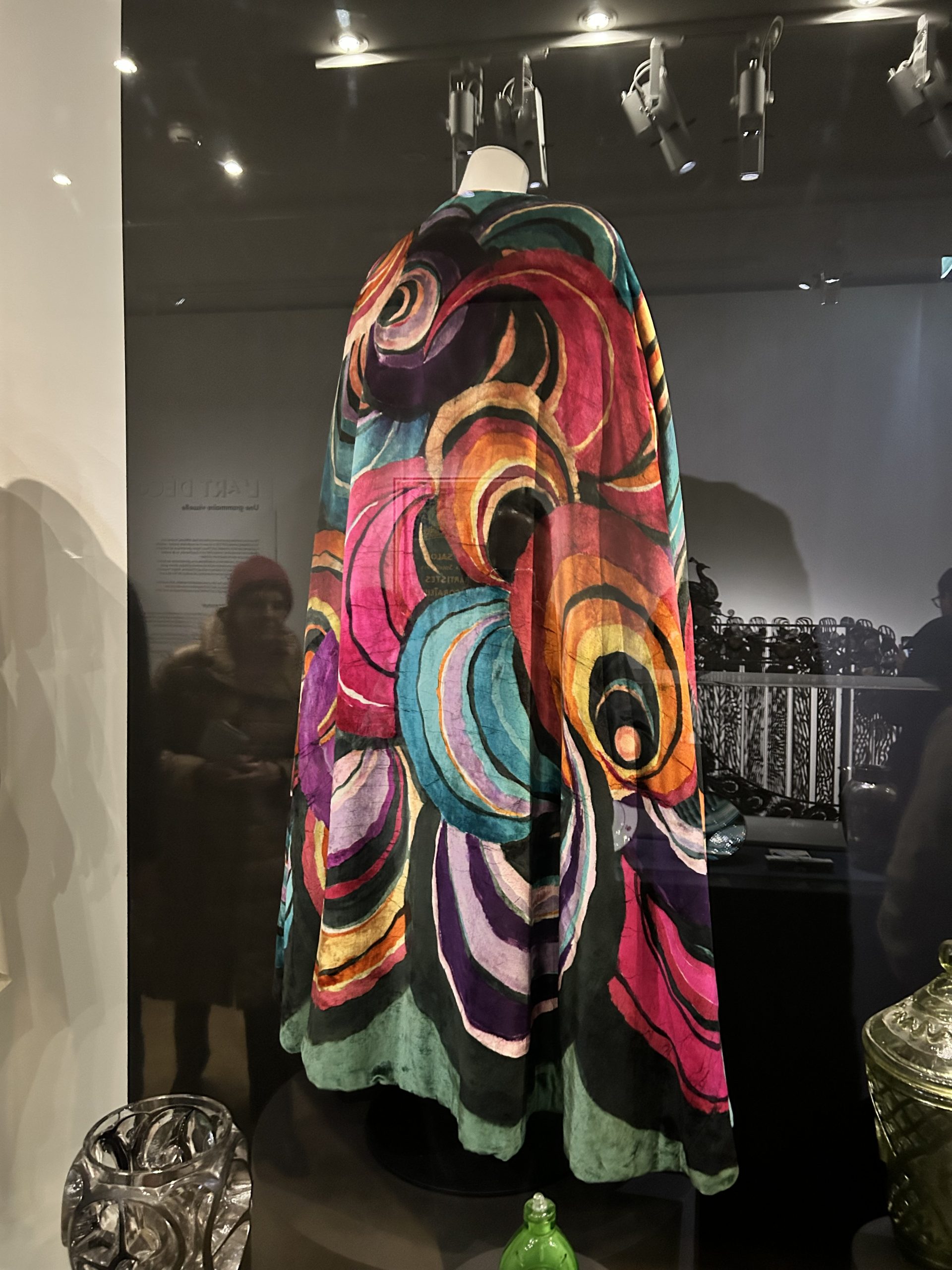
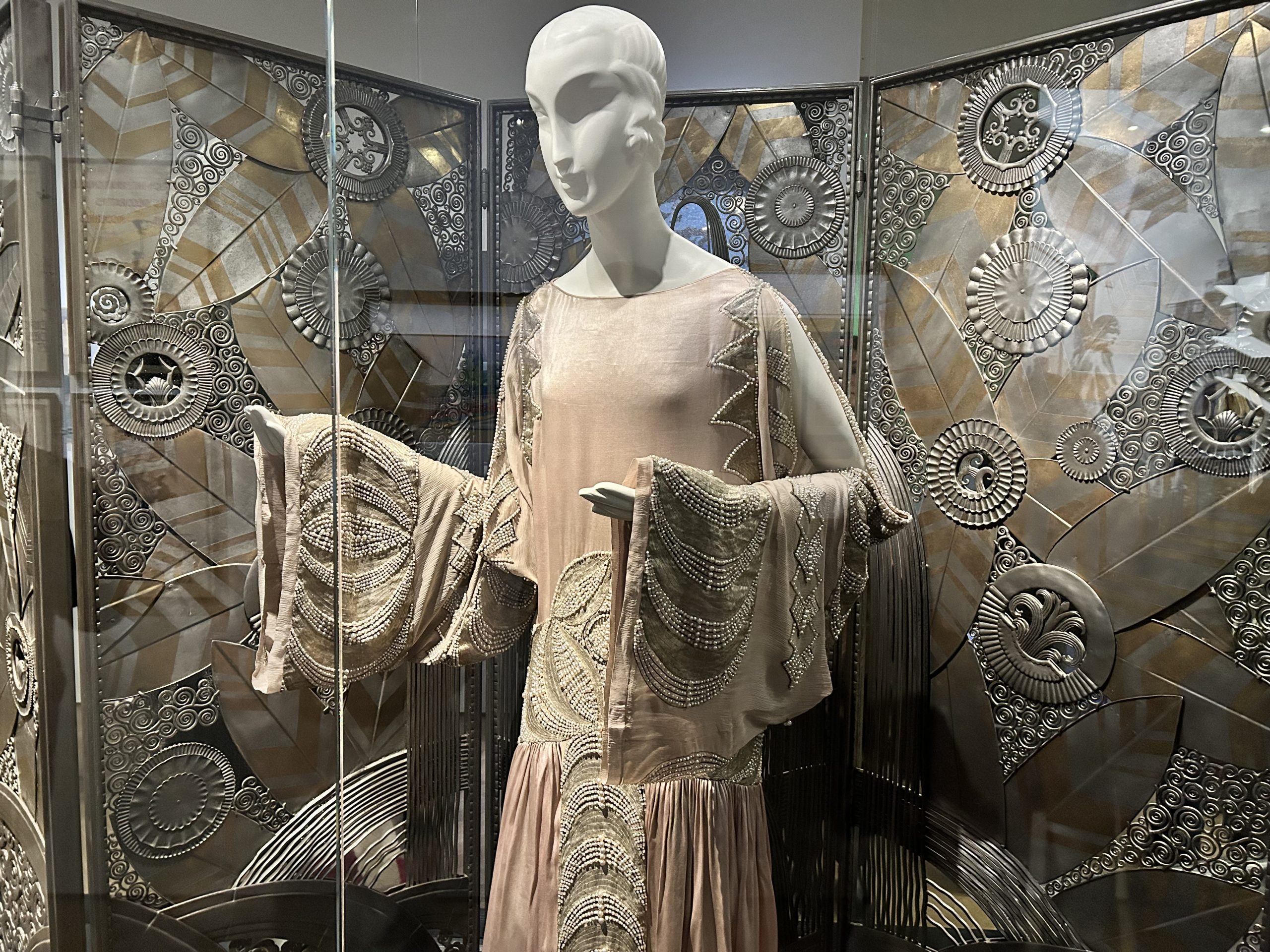
The exhibition also includes clothings, somehow echoing the Resonance Art Deco Paris Shanghai 2024 exhibition.

This is a great exhibition for all Art Deco lovers. Parallels with Shanghai Art Deco are very visible during the visit. This a great window into a style that would soon spread to the rest of the World, and strongly influence Shanghai.

The exhibition will be shown until 26th April 2026. The same location also hosts an exhibition about the Orient Express train from the same period and style.

Shanghailander articles are published on an irregular basis. To be notified when a new article is posted, subscribe to the newsletter using this link, or follow the Shanghailander Facebook page

Hungarian Architects in Shanghai

Having lived a number of years in Budapest before moving to Shanghai, I have always felt a special connection with the city. One of my interest in Old Shanghai has thus been Hungarian architects in Old Shanghai, in particular Lazlo Hudec.

A number of exhibition about Laszlo Hudec have taken place in Shanghai since the 2008 Year of Hudec in China that really helped rediscovering his heritage in Shanghai and then in Hungary. Laszlo Hudec story and work was totally unkown in Hungary when I lived there, but I have noticed more and more people in know about him nowadays.

Thanks to the continuous work of Virag Csejdy, founder of the Hudec Cultural foundation in Budapest (https://www.hudecproject.com ) and thanks the Hungarian-Chinese friendship association, a major exhibition about Hungarian architects in Shanghai is now taking place in Budapest. This will surely help to raise the profile of those Hungarian architects that found fame in Shanghai.

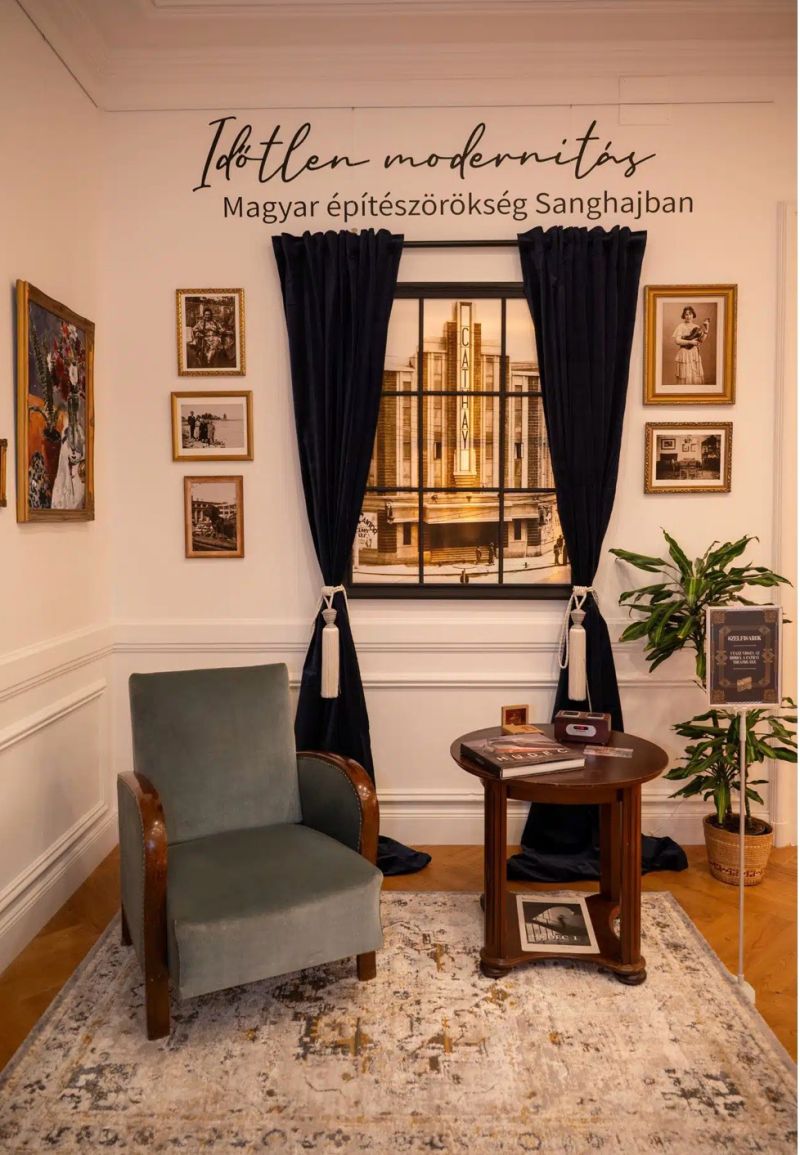
“Timeless Modernity — The Shanghai Legacy of Hungarian Architects” opened on 1st December 2025 and will last until 22nd January 2026. It focuses on the work and legacy of Laszlo Hudec but also Károly Gonda, Béla Mátrai & Rudolf Sömjén.

The exhibition is taking place in the China Cultural Center in Budapest:
Bosnyák utca 1
H-1149 Budapest

Unfortunately, I could not fit a trip to Budapest in my schedule during that time, but there are talks of taking the exhibition to Shanghai in 2026. I hope I will be able to see it then. In any case, this is a great excuse for a short stay in Budapest for old Shanghai lovers.

Shanghailander articles are published on an irregular basis. To be notified when a new article is posted, subscribe to the newsletter using this link, or follow the Shanghailander Facebook page

Short visit in Swatow

Shantou / 汕头 in Guangdong province is famous for its food and seaside. It is also the location of Swatow former concession. This was the opportunity for a short trip.

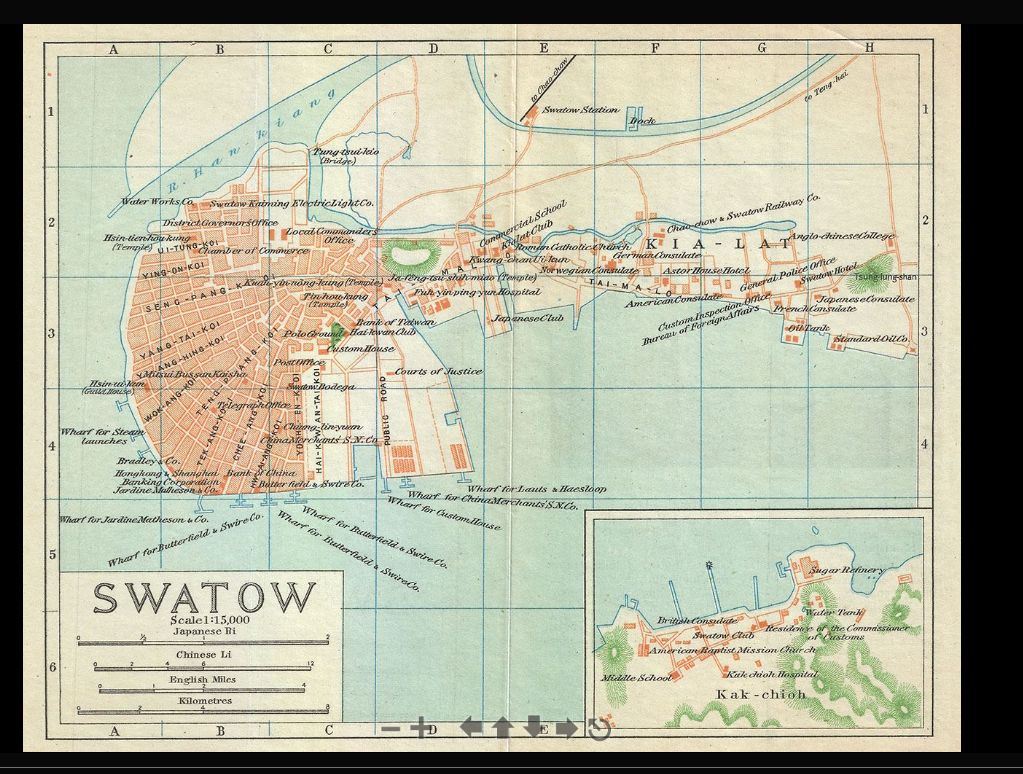
Although located half way between 1842 original concessions of Hong Kong et and Xiamen, Swatow was only opened as a treaty port in 1860 with the treaty of Tianjin. British and American consulate opened on Mayu island of the cost in 1860. The British Consulate later moved to Queshi, on the other side of the river to Swatow city. The American Consulate moved to Kia Lat area, on Tai-Malo street (today 外马路) area. Other consulates opened in the same area including Japanese, German, Norwegian and French, along with a Astor House hotel. At the time, the road was close to the river, but land has been reclaimed here since and the area has changed a lot.

1924 Japanese map of Swatow

Large trading houses were located further West, around the most densely populated area. They included usuals Butterfield & Swire, and Jardine & Matheson as well as China Merchants. Banks such as HSBC and Bank of China were also located close to the keyside.

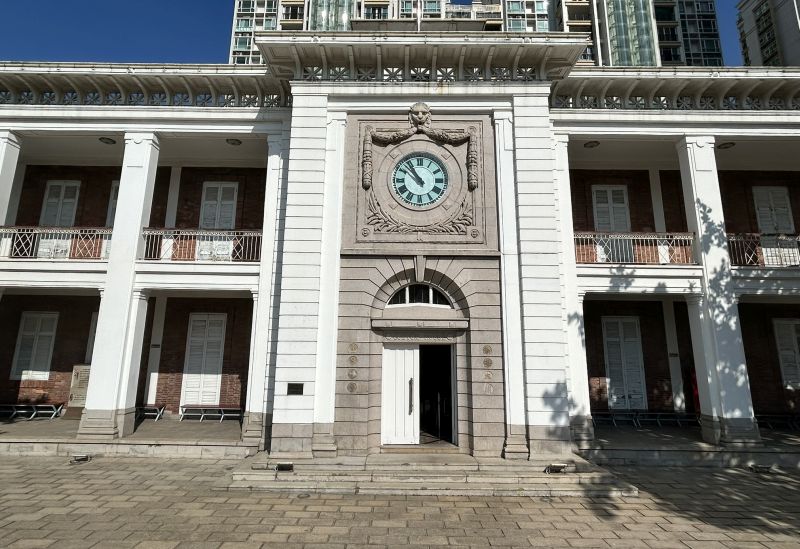
Original Swatow customs

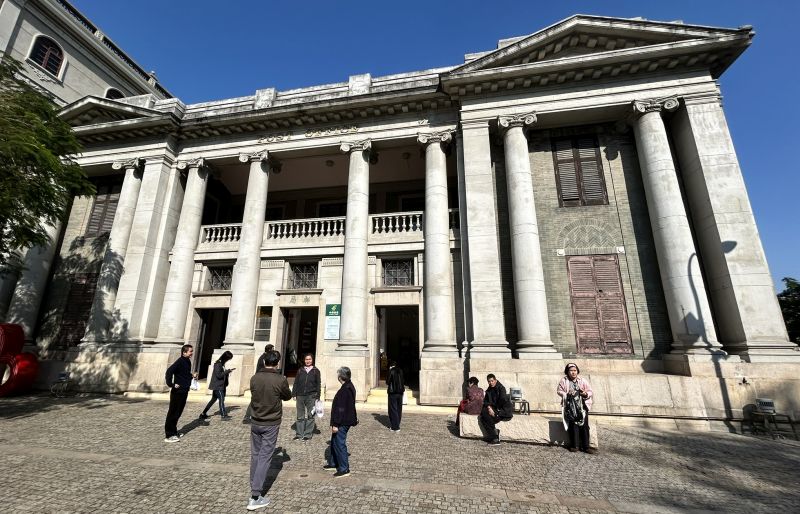
Although most of the sea side buildings have disappeared, the road going from the riverside inland has some interesting spots, starting with the Customs house on the riverside, that is now a museum. Hidden in the same area are the former customs quarter, but they are off limit for visitors. Further up is the Post Office that is still in use as its original function.

Swatow Post Office

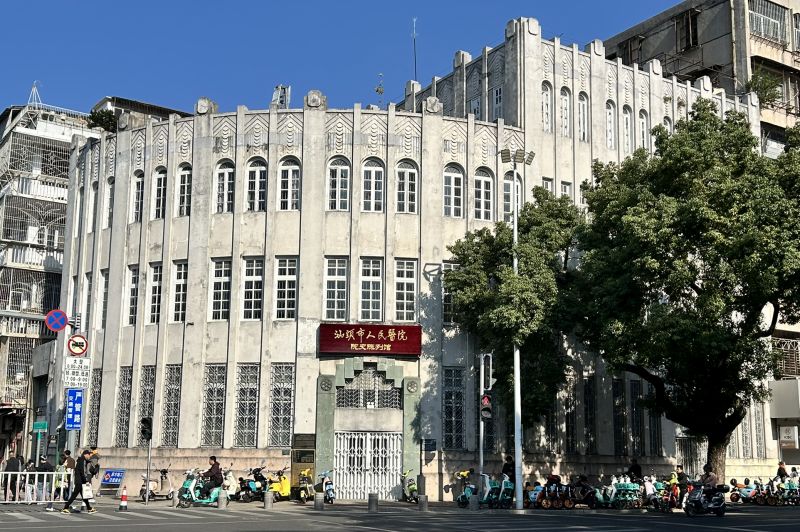
Going further up, one encounters the beautiful Art Deco Bank of Guangdong building built in 1935 by Guangzhou architect Yang Xizong 杨锡宗.

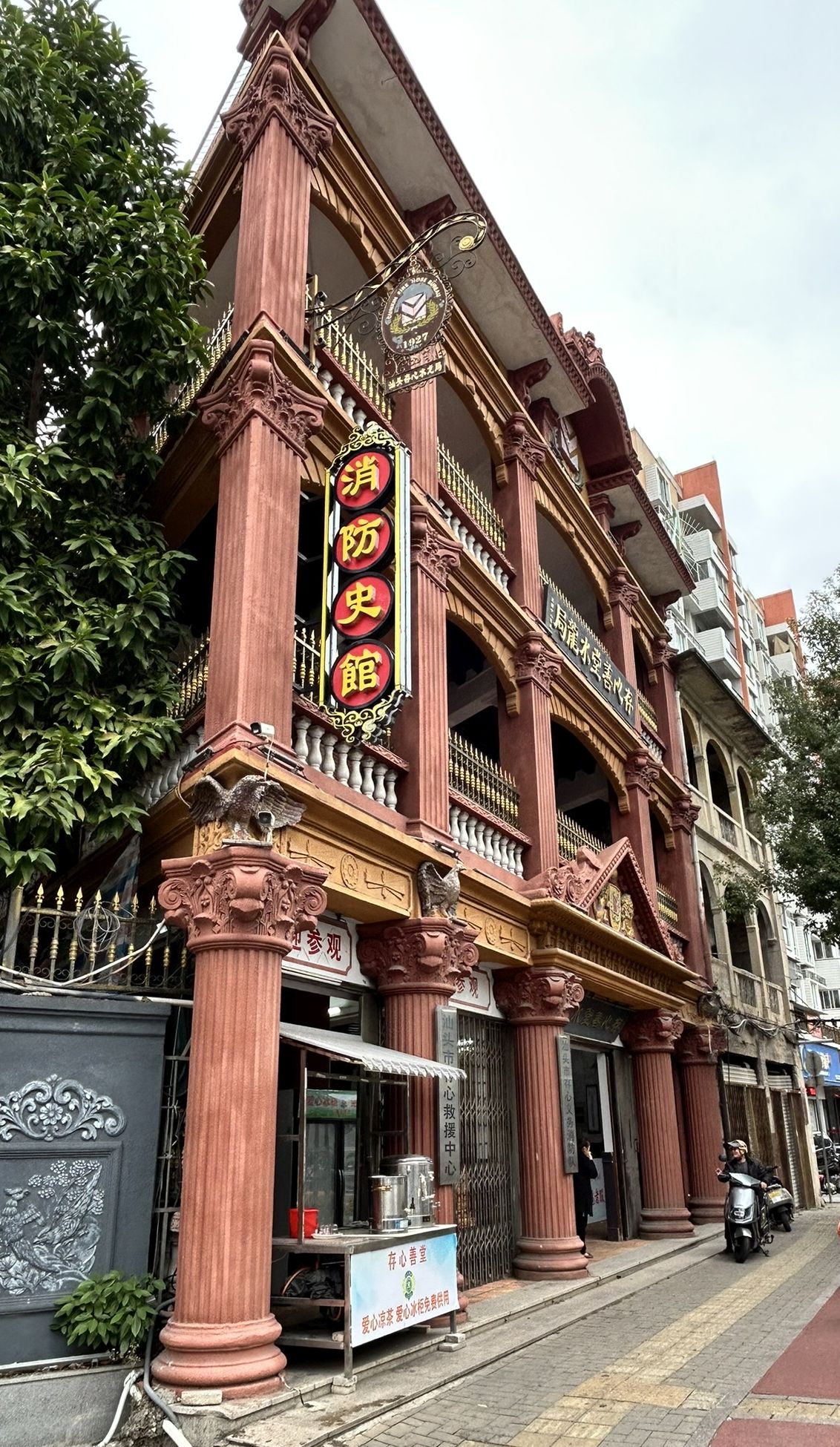
Further up is the beautiful guan yin miao 观音庙 temple and the old fire station with the hospital opposite to it (this is still the site of today’s Shantou hospital).

Guan Ying Miao Temple
Former fire station

Further up on the road was the Consulate area. A French consulate official was dispatched in 1904 and the actual consulate opened in 1906. The building indicated on the 1924 map was built in 1923, located 11 Da Hua Road. Unfortunately, this building does not exist anymore.

Swatow did not have much trade with French companies, and France did not consider Swatow to be an important posting. Consular representative changed very frequently and often complained of the lack of activity. Looking into the foreign population of Swatow in 1933, I only found a few French people. Apart from PC Leblanc who was running the post office, and Jules Leurquin who was the French Consul, the only other French people were missionnaries.

This post focused on Tai-Malo street (today 外马路) were foreign consulates were located. Further posts will focus on Swatow old town and its beautiful architecture.

Shanghailander articles are published on an irregular basis. To be notified when a new article is posted, subscribe to the newsletter using this link, or follow the Shanghailander Facebook page.

Wedding at Fitch Memorial Church

There are many churches in Shanghai, as both concessions were hosting many christians religious people. Catholics was mostly supported by the French, with the Jesuits area of Xu Jia Hui being next to the former French concession. The international settlement was supporting the Church of England, with a cathedral behind the Bund. Many protestant missionaries were using Shanghai as a base to convert people all over China, and they also built Churches in Shanghai. I recently attended a Christian wedding at Fitch Memorial Church in Hong Kou district.

Fitch Memorial Church is the only church in Shanghai to be designed in the Neo Confucian style, also called Republican style. This combines the exterior of the traditional Chinese building, although built in concrete not wood, with the inside of a modern building.

Fitch Memorial Chirch was completed in 1928. This is also the time when the whole Hongkou district was developing. The architect was Yang Xiulu / 楊錫鏐 which firm also built the Paramount Ball Room and the Nanjing Hotel on Guizhou lu. It also designed the YMCA building in Xizhang Road, that is of the same style than the Fitch Memorial Church.

The outside is rich with details.

Although there are many churches in Shanghai, it is still rare to have wedding in an actual church. The couple are both member of this church, creating a really special atmosphere. It felt a bit like in a movie.

The church has two full worship floors on the top of each other, which is rather rare. I guess this was planned to handle more ceremonies at the same time. The wedding was on the upper floor, but I could also get a view on the lower one.

The church has been through a lot over history, including as a shelter for refugees during the 1932 Japanese attack and being used as an hospital during cultural revolution. It was refurbished in the 1990s with a lot of original details having been preserved including stained glasses below.


Fitch Memorial Church was name after Reverend George Field Fitch (1845-1923). Arriving in China in 1870, he become an important leader of the Presbyterian Mission Press. His work is credited with revolutionizing China’s printing industry and establishing Shanghai as a key publishing hub in Asia.

The Fitch Memorial Church is located at 59 Duolun Lu in Hongkou district.

Shanghailander articles are published on an irregular basis. To be notified when a new article is posted, subscribe to the newsletter using this link, or follow the Shanghailander Facebook page.

人和館 / Renheguan

Looking for Old Shanghai style places, I ended up by invitation in Old Shanghai themed restaurant 人和館 / Renheguan.

Although it is located in a modern building (and not in an old house unfortunately), the owner has managed to recreate a great old Shanghai atmosphere. I went on a day when it was packed, and the whole place was bustling and Shanghainese language was all over the place… as it should be.

The restaurant is located on Zhao Jia Bang Lu, formerly the Zhaojia creek /  肇嘉浜, that used to be the separation between the French Concession and the South part of the Chinese city, called 南市. Old houses are located in the area, that was quite upscale in the 1930s so it’s a good place from a historical point of view.

Since the restaurant has 1 start Michelin, the food was excellent, well executed and delicious. This really felt like a short trip to Old Shanghai, reminding me of the now closed Xian Qiang Fang.

人和館 / Renheguan can be found at 407 Zhaojiabang Road / 肇嘉浜路407号.

Shanghailander articles are published on an irregular basis. To be notified when a new article is posted, subscribe to the newsletter using this link, or follow the Shanghailander Facebook page.

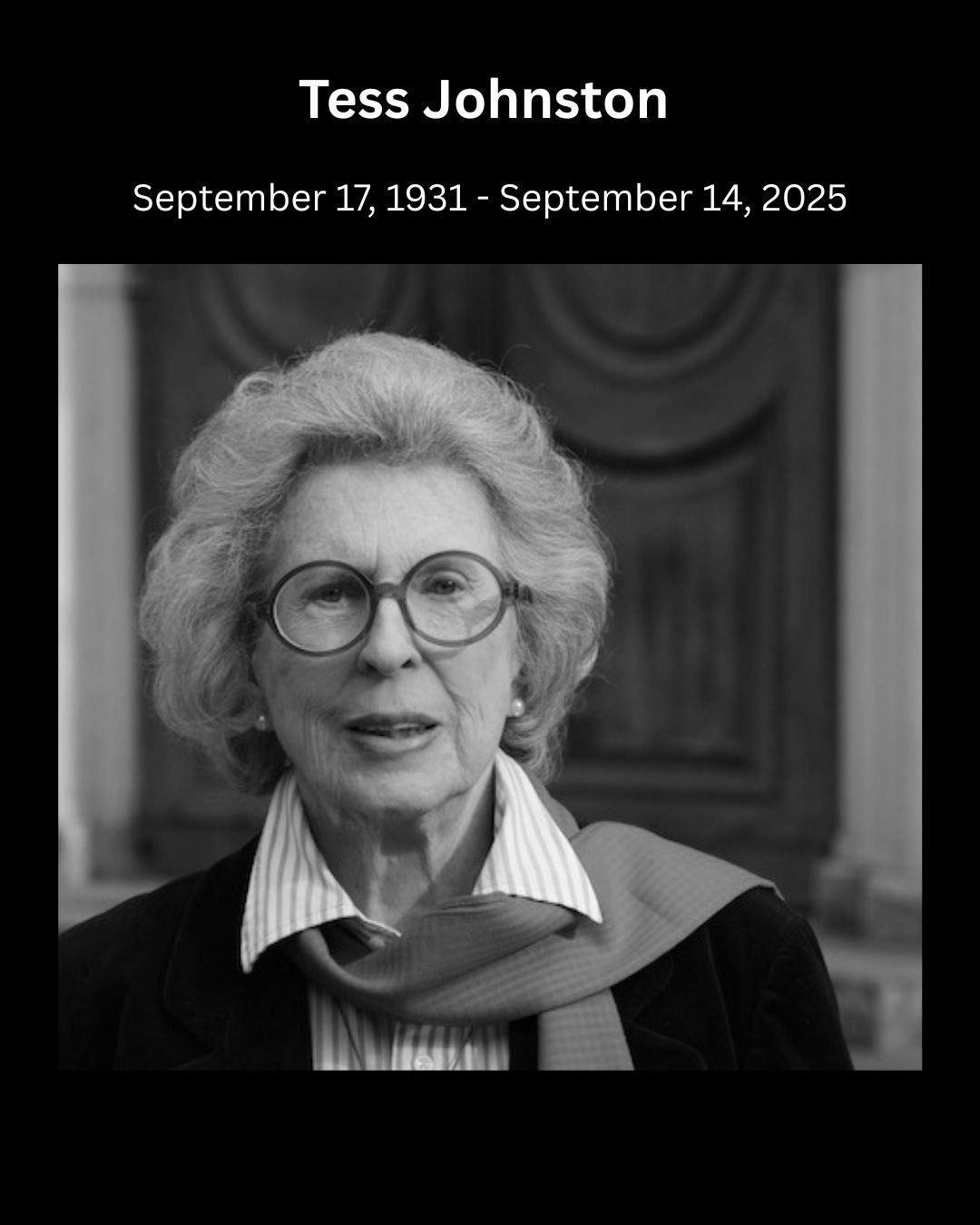
Farewell to Tess Johnston

This is with great sadness that I learned that Tess Johnston has passed away on 14 September 2025.

When she was born in Charlottesville, Virginia, in 1931, nobody could have predicted that Tess Johnston would fall in love with Shanghai and spend a large share of her life in this city. Working with the American diplomatic service, based in East Berlin and Saigon before reaching Shanghai in 1981. Fascinated by the city’s architecture frozen in time, she was one of the first foreigners to study it on location. After studying it for years, she turned her passion into a first book, along with photographer Deke Ehr / 尔东强, “A last look, Western architecture in Old Shanghai”, 1993.

This was the first book showing pictures of Shanghai historic architecture and research about the history of those buildings. It shed a new light on the city’s architecture and history. Knowledge of the city’s history was limited then and research was much harder before the internet but the book inspired lot’s of people and numerous projects contributing to better understand Old Shanghai. She became an inspiration for generations of amateur researchers (like me) and academics to dig deeper into Shanghai history.

The pair would write numerous other books focused on areas in Shanghai like “Frenchtown Shanghai”, 2000, focusing on the former French Concession. They also studied other former “treaty port” cities in China like Hankou, Qingdao, Tianjin, Xiamen, GuLangYu island and Canton. A new edition of the book “A last look” was published in 2004. Their last and best collaboration was “Shanghai Art Deco”, 2006.

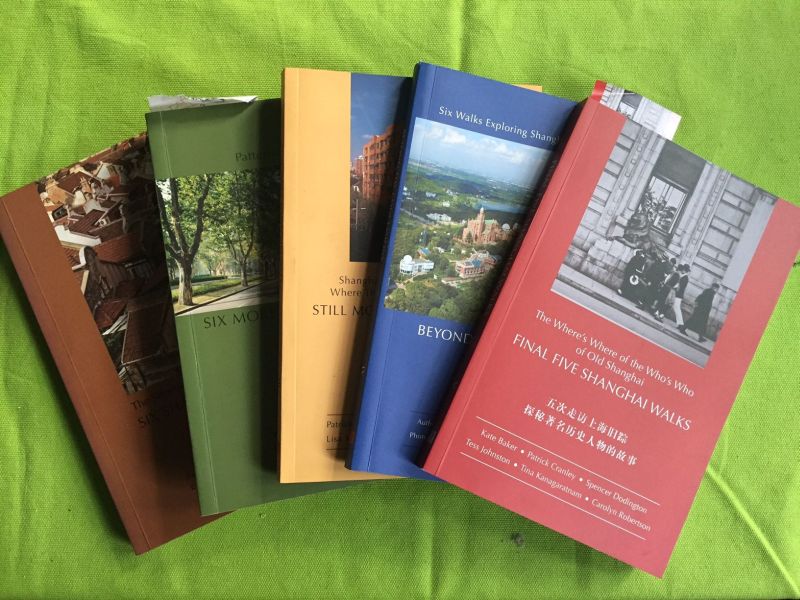
Her next project was a series of practical guide books about Old Shanghai, talking the shape of guided walks. Many of the experts on Old Shanghai collaborated to these books that are invaluable.

The Shanghai walks series

Although she was not originally from the city, Tess Johnston became the most knowledgeable person about Old Shanghai. She embodied it as much as people form the same generation who actually grew up in Shanghai like her friends Lynn Pan, Betty Bar, Rena Krasno and Sam Moshinsky. Although she did not grow up in Old Shanghai, it very much felt like she actually had.

Tess Johnston also used to give walking tour of Old Shanghai. I was lucky enough to take part to one in of those in 2012 (see post “Touring with a legend“). Aged 81 then, she was still full of energy and passion for the city, making this a memorable event as those tour became more and more rare. Although she left Shanghai a few years ago to go back to the US, her spirit never really left the city.

Shanghailander articles are published on an irregular basis. To be notified when a new article is posted, subscribe to the newsletter using this link, or follow the Shanghailander Facebook page.


Xiaotaoyuan Mosque

Located in the heart of the Old city, walking distance from Yuyuan Garden and the City God temple, Xiaotaoyuan mosque / 小桃园清真寺 is the largest mosque in Shanghai.

Although a first building was erected in 1917, the current building dates from 1925. The date of 1343 is actually written over one of the entrances, equivalent islamic equivalent to year 1925 in christian calendar. The name of the mosque is written in both Chinese and Arabic at the front of the main building.

Outside façade

The building on the street is hidden by the trees of a park.

Façade of the main building

The main building actually reflects its time of construction. The façade shows similarities with the one of the Shanghai Club on the Bund that dates from 1911. This is particularly true for the columns at the entrance and the windows of the windows on the top of each side wings.

Floors of the buildings are nicely decorated in a way that is very similar to other Old Shanghai buildings from the same period. The prayer hall is very spacious, but does not offer much details in terms of decor.

The mosque has 4 towers and one minaret. They are only really visible from the neighboring foot bridge over the main roads. The women mosque is located a few meters away, a smaller pink building that was built in 1920.

Xiaotaoyuan mosque is located on 52 Xiaotiaoyuan lu, 52 小桃园路。It’s easy to access by subway, from Laoximen station.

Route Kaufmann, Frenchtown

In more than 20 years in Shanghai (and counting), I spent many years in the former French concession but one location in particular remains a clear favorite. This was on Route Kaufmann (today Anting lu / 安亭路), where I spent 10 years. Living at the back a small lane really felt like living in Old Shanghai, and many post of this blog were inspired by the area.

Named after a former Yunnan Postal Service officer who was killed during WW1, Route Kaufmann was a wealthy and eclectic area. It was also very international as confirmed by a friend whose Chinese professor in the US once lived on Route Kaufman before 1949. This was still a fantastic place to live around 2010, and it took a real effort to move out as explained in post “Leaving Route Kaufmann“.

Location of Route Kaufmann 1913 (red dot)

As shown as above map from 1913, this area was the countryside when the French Concession was officially extended in 1914. As Route Kaufmann is on the western side of the French Concession, it was probably divided in plots and occupied from the mid 1920s. This area of the French Concession was divided in blocks that were sold to developers.

A large part of the West side of the road was sold to FONCIM that ordered design from Léonard & Veysseyre. Some of these houses where already described in a series of posts (see posts “Portrait of an old neighbour” and “Meet the twin sister” for more details).

French style house on 130 Route Kaufmann, designed by LVK

The FONCIM plot probably also included Route Cohen (Gao An Lu / 高安路), that runs parallel to Route Kaufmann on the Western side. The West side of Route Cohen also counts many buildings developed by FONCIM with design from LVK, mostly apartment buildings.

FONCIM buildings on Route Cohen, designed by LVK

On the East side of route Kaufmann, a large share was sold to Asia Realty Company (ARCO), an American real estate company that flourished in Shanghai at that time. The East side is also the location of the King’s Lynn Apartments where Chester Fritz and Bernardine Szold Fritz, lived for a while. The cadastre shows this plot as property of ARCO, although I have not seen ARCO sign like on Brooklyn Court, another ARCO property.

King’s Lynn apartments

On the East side, ARCO commissioned Hungarian architect Laszlo Hudec to create houses on the plot between Route Kaufmann and Route Dufour (today Wulumuqi Lu /乌鲁木齐南路), with some on the Eastern side of Route Dufour.

Hudec buildings West of Route Dufour

The list of inhabitants of rue Kaufmann in 1933 shows that many people lived on 9 Rue Kaufmann, which is the above mentioned King’s Lynn apartment. Chester Fritz had already left the building on that year. The Lubeck family, of one of the director of the CFTEE, Carlos Lubeck is also mentioned at number 132. I was also told that Ma Ying-chi / 马英驰, the minister of Justice of Republican China lived in 130 at some point, but in 1933 this was the home of the reverend F. Rawlison.

There is a large gap between #4 and #126. Although the cadastre shows that the land between these number was already divided, many of the buildings on the streets were not built yet. For example, the large Art Deco House located on 46 Anting lu now part of the Anting Villa Hotel, was not built yet. Similarly, on the odd side, nothing much seem to exist besides #9.

Another missing part then was today’s Anting Lu 81, the lane were I used to live in. While living there, I realized that our small lane had its own name on French Concession maps. It was called Rue d’Adina, Route d’Adina, or sometimes “Route privée d’Adina”, Chinese name was 安地那路. This was very unusual for Shanghai street name, so I started to research it. This will be the topic of further posts.