The story of Horose or S. Rosen-Hoa (Part 2)

The post is the second part focused on author Horose or Stéphanie Rosen-Hoa. To access Part 1, follow this link.

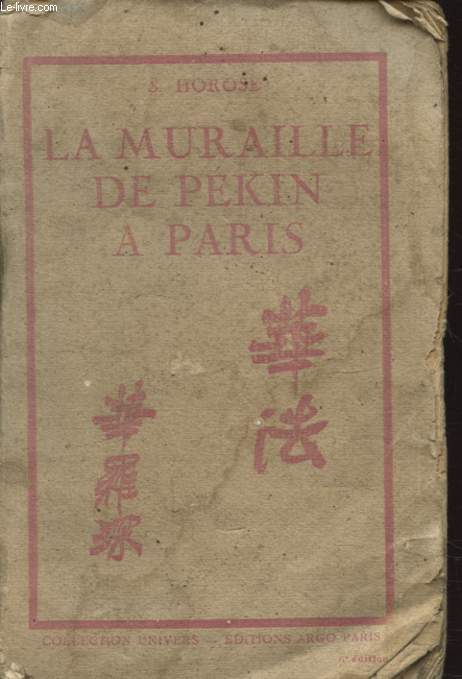
Stéphanie Rosen-Hoa, also known as Horose or 羅琛華, settled back in Paris in 1926 with her two children, Leon and Simone Hoa. During her stay, her first book in French “La muraille de Pékin à Paris” (The Beijing Great Wall in Paris) in 1929 by Argo, a small publishing house. She managed to get noticed by several newspapers. An article from local paper “l’Avenir de la Touraine” from 11 November 1929 explains that author is a French/Polish lady who married a Chinese and went to live in China. It adds that the book offers a true and interesting picture of the real China including many anecdotes. A few lines with similar comments were also published in in the “Le Bien Public” (Dijon daily), on first Octobre 1929, as well as in “Les dimanches de la femme” (Women Sundays) on 23rd feb 1930.

She returned to China in 1928, leaving her children to be educated in France. In the same year, she published novel “Him and her” in Chinese.

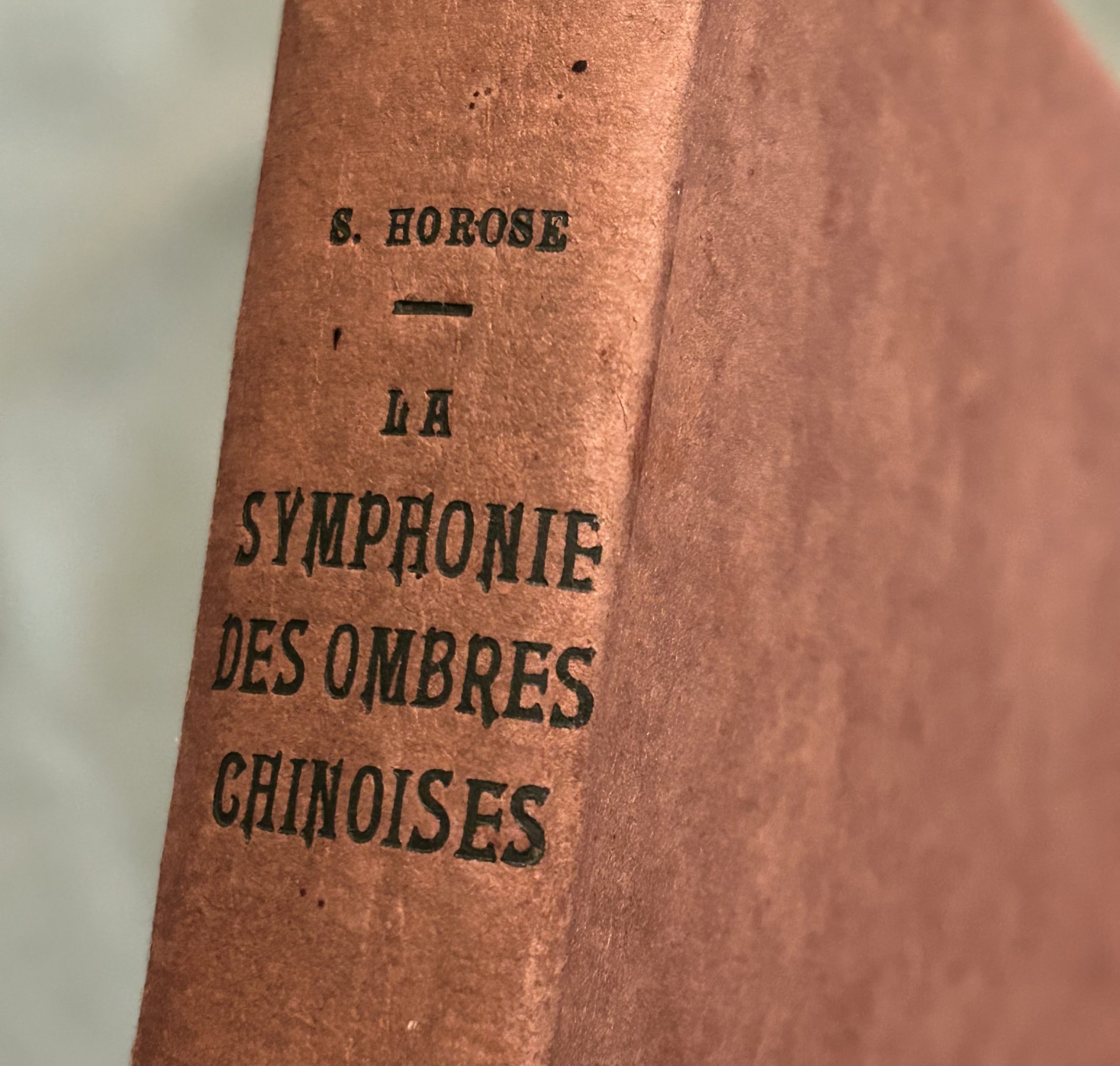
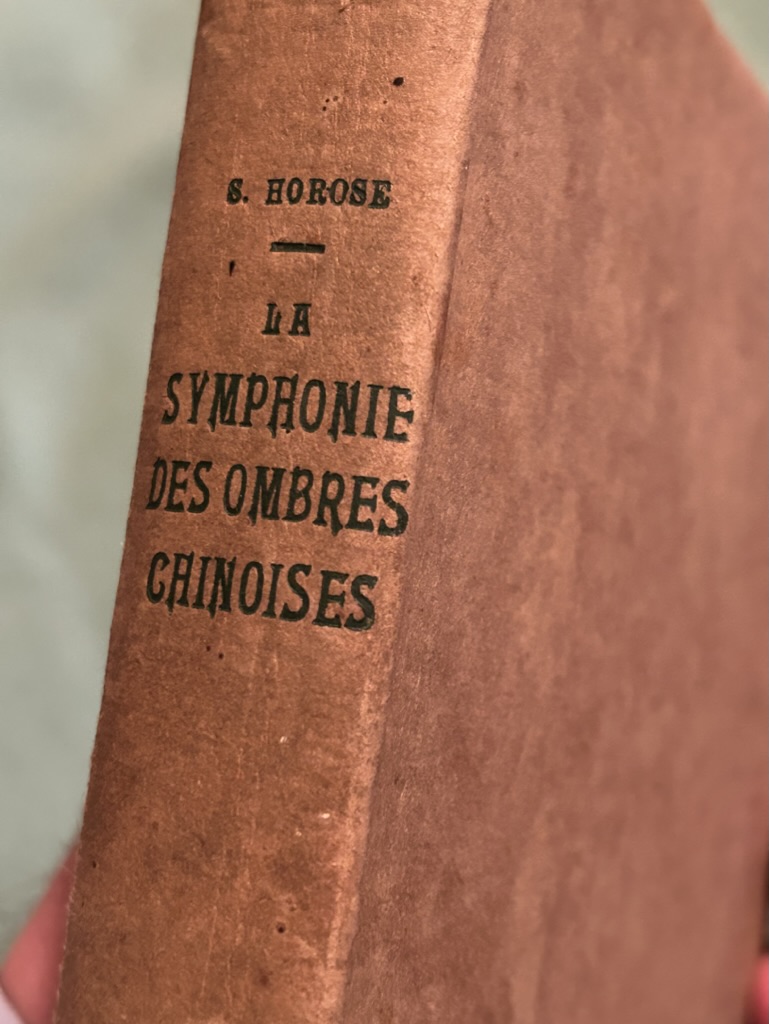
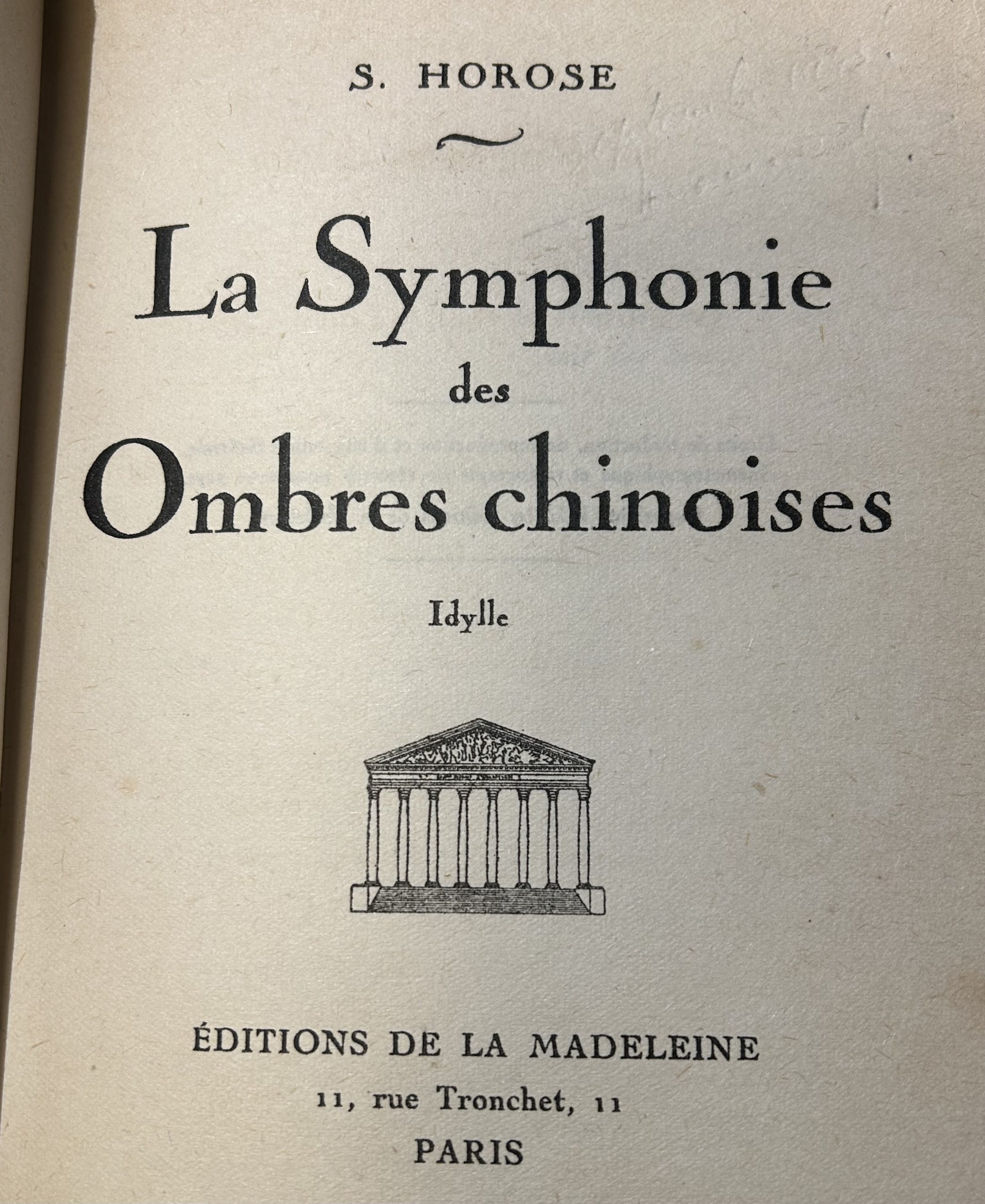
“La symphonie des ombres chinoises” is the French version of Love and Duty. (see “Love and Duty, the book” for more details about the various editions and translation of this particular book). It was published by edition de la Madeleine in 1932, 11 rue Tronchet, a different publishing house from the previous book. I found a copy in an olnine bookstore.

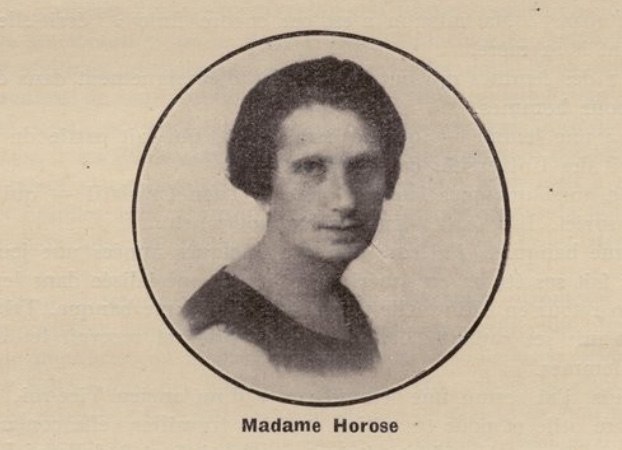
The book forewords end with “Written in Beijing, reviewed in Paris and finished in Geneva” 1932. S Rosen-Hoa definitely took a trip back to Europe in 1932, publishing an article about “Chinese women” in June 1932 in the montly magazine”L’ Egyptienne” and giving a conference about the condition of women in China at the same period at the Lyceum theater in Paris. She is mentioned by the magazine as “famous novelist Horose”. She also was still in Paris on 16th February 1933 as she was a speaker in a conference about China and Japan.

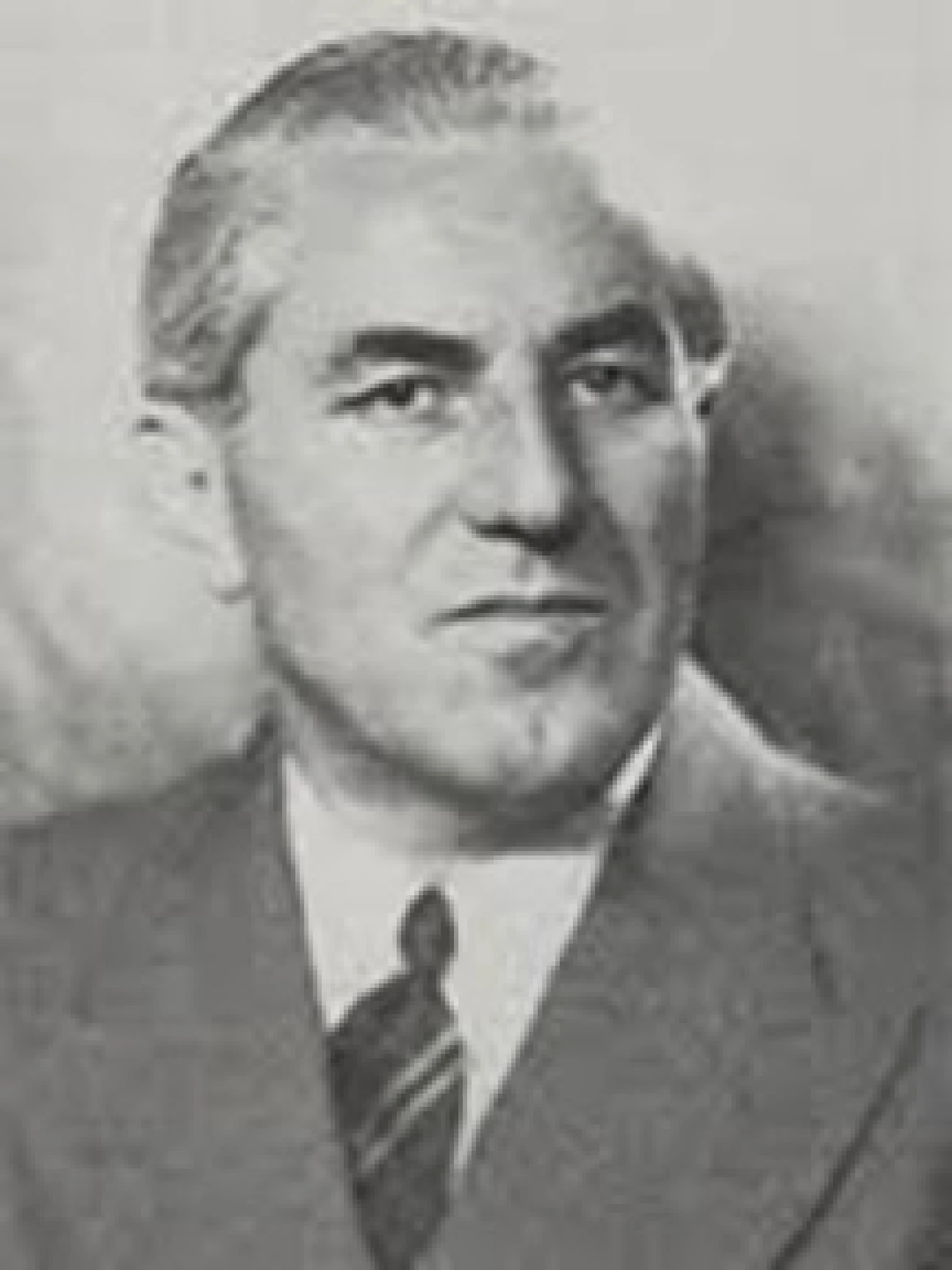
S. Rosen-Hoa in 1932

Her son being educated in France came back to China for a visit in 1934. She published the novel “Double practice” in Chinese in the same year.

In 1937, as Japan was invading part of China including Beijing, S. Rosen-Hoa went back to France, probably to escape the war. Hua Anjin followed her in 1939. We have very little information about their life in occupied France, but the refuge from the war that they were probably seeking did not last long. Jews in France were also persecuted and many died in Nazis concentration camp, but S. Rosen-Hoa seemed to have escaped it.

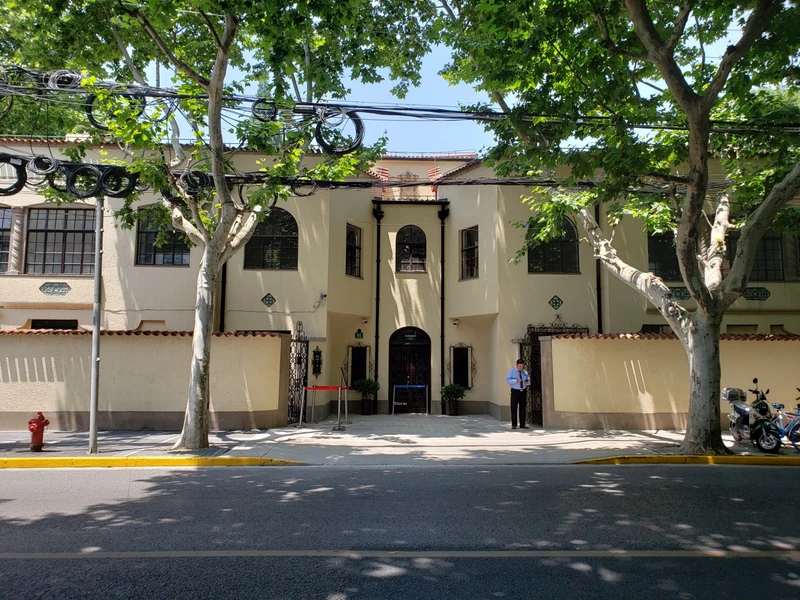
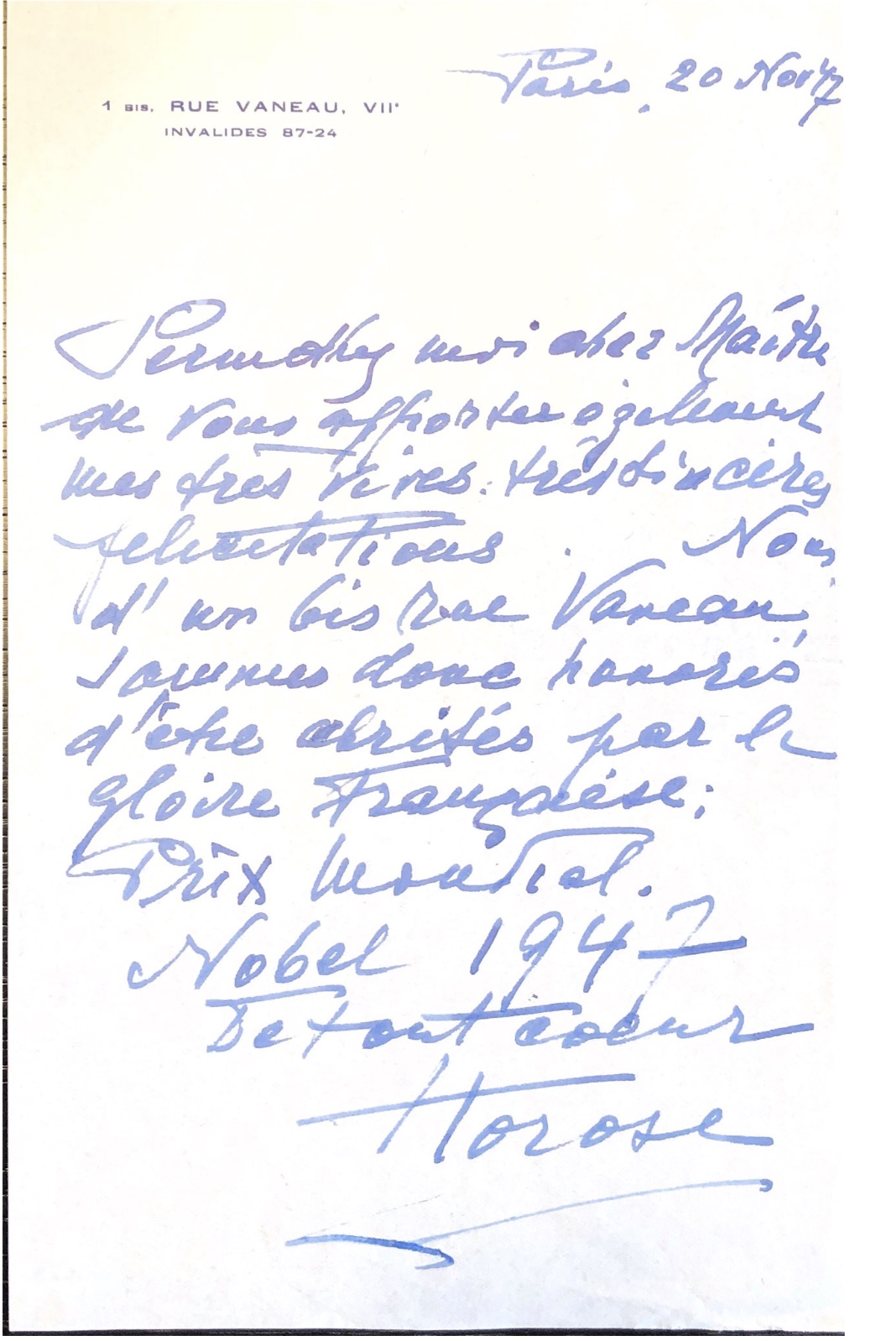
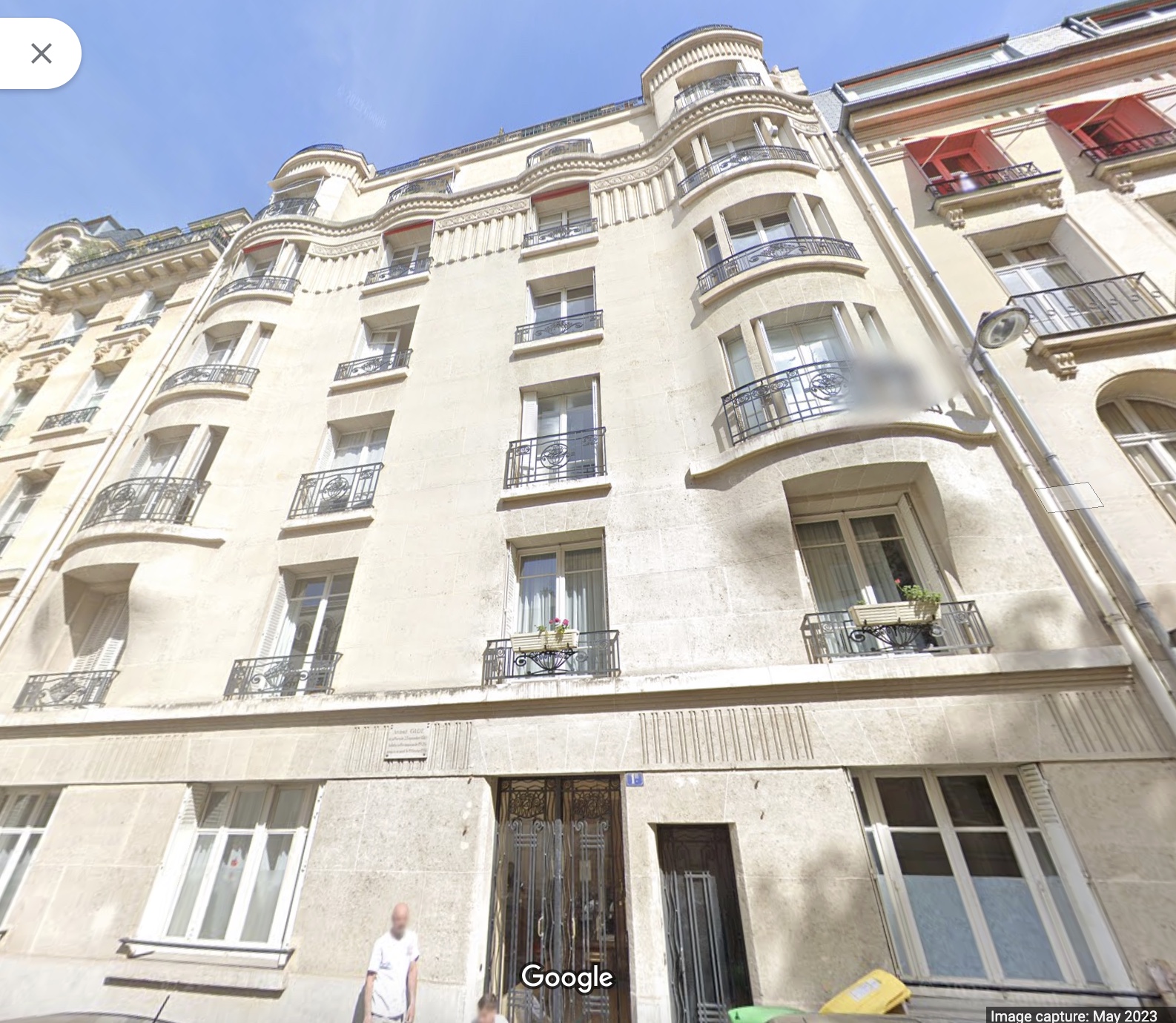
She was still living in Paris in 1947, as she wrote a congratulations letter to novelist André Gide who had just received the Nobel price for literature. It is clearly stated that she was living in the same building as André Gide, 1Bis Rus Vaneau in Paris 7th district, near Invalides.

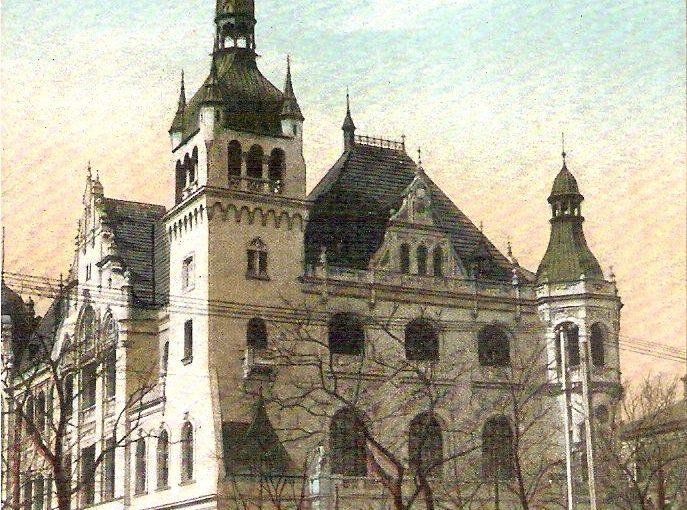
1Bis Rue Vaneau in Paris 7th district

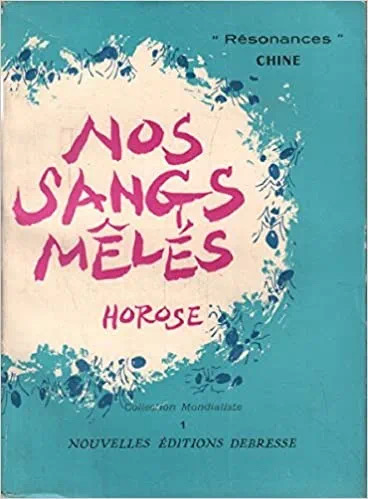
Her husband Hua Nangui returned to China after the war, along with her son Leon who had become a famous architect in France along with his French wife. S. Rosen-Hoa published one last book in France, “Nos sangs mélés” in 1957. Hua Nangui passed away in Beijing in 1961, not having met his wife since his return to China.

S. Rosen-Hoa went back to Beijing in 1966 to a China very different from the one she had left nearly 30 years earlier, as the communist party had taken power in 1949 and applied many changes to society. She passed away in Beijing in 1970. Her grand daughter 华新民, still lives in Beijing. I had the opportunity to meet her while she was on a trip to Shanghai. This is related in post “Meeting with Horose grand daughter“.
The story of Horose, or S. Rosen-Hoa
Famous Old Shanghai movie “Love and Duty” was based on French novel “La symphonie des ombres Chinoises” by S. Rosen-Hoa also called Horose. Very little has been written about Horose, but putting together current academic articles and own research, I now have quite a clear picture of who she was and about her unusual life.

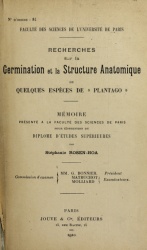
Stéphanie Rosenthal was born in Kalisz, Central Poland, in 1883 in a jewish family. She moved to Paris around the turn of the Century. In the 19th century many Polish artists, aristocrats and intellectual came to France, and many spoke French. Stéphanie Rosenthal and her family likely already spoke French when they came to France, allowing her to join the French schooling system. She then studied at the Sorbonne University, where she graduated in botany, with a thesis on germination of Plantago in 1910, aged 27.

Graduation thesis for Stéphanie Rosen-Hoa at Paris Sorbonne, 1910

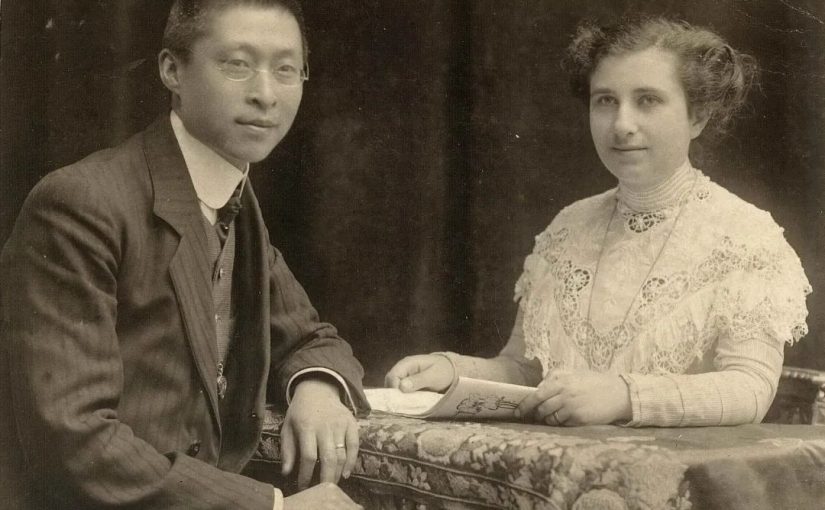
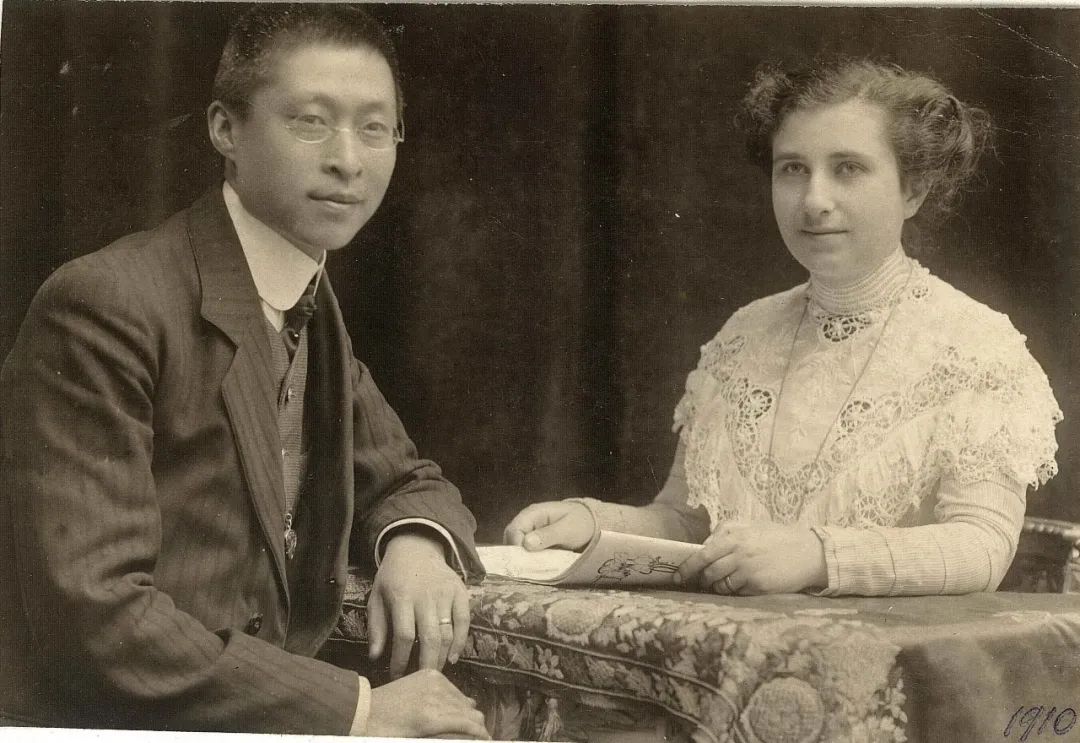
She met her future husband during her studies, both of them being keen learners and practitioners of Esperanto. Hua Nangui / 华南圭 (1876-1961) was a native from Wuxi, Jiangsu province, China. He arrived in France in 1904 to study at the Public Work High School (ESTP Paris) where he was the first Chinese student graduating from the School in 1908. They got married in 1908, after which he worked for “Les Chemins de fer du Nord” (Great Northern Railway). After the wedding, Stéphanie added the name of her husband to her surname, being now called Stéphanie Rosen-Hoa. They always communicated in French as witnessed by relatives. They moved to China in 1910.

Hua Nangui and S. Rosen-Hoa in 1910

Hua Nangui / 华南圭 worked for the Beijing-Hankou railway until 1913 when he took an official post in the Ministry of Transports and Communication of the new Chinese republic. From that point he was involved in promoting of modern technologies, education and railways in China, publishing the first Chinese Railway engineering textbook in 1916.

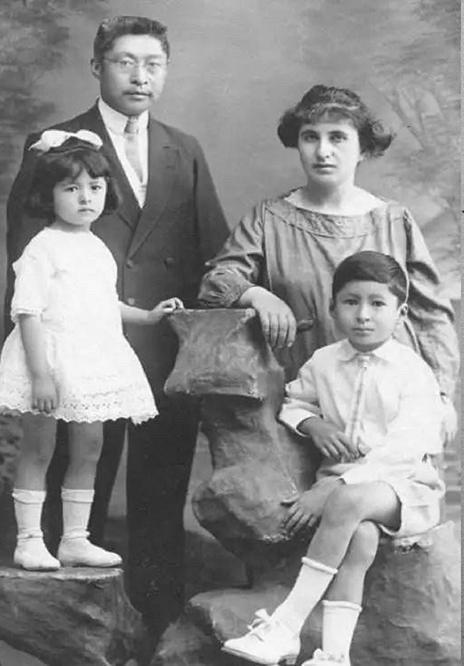
The first child of the family was born in 1912, Léon Hoa / 華攬洪. The French edition of Love and duty (La Symphonie des ombres Chinoises, 1932) is dedicated to him. The family bought a plot of land in Beijing 量大人胡同(Liangdaren Hutong), built a house and moved in 1914. Horose first novel was published in Chinese by Shanghai based Commercial Press in 1915, under the name of 羅琛華. The topic is centered on a women doctor who got educated in France and returned to China. It is likely that the novel was written in French and translated in Chinese, probably by Hua Nangui / 华南圭. The topic of Chinese students returning from studies abroad and having to adapt back to China was a quite a key topic amongst Chinese returnees in the 2000s, but it was clearly a revival, having been already discussed in the 1910s. It is likely that the circle of friend of Stéphanie Rosen-Hoa included many returning students from Western countries, and maybe Japan that was also very popular for studies at the time. Her daughter Simone was born in 1916 in Beijing.

Her most well known is probably “Love and Duty” which first published in Chinese in 1923 then in English in 1926. With its modernity theme focusing on the opposition between traditional and modern values, in particular about arranged marriage and women’s education, it clearly resonnated with the popular Chinese literature movement at the time, the May 4th movement. This lead for the book to be made into the movie “Love and Duty” that kickstarted the popularity of Lian Hua movie production company (also called UPC) as well as being the first main role for upcoming Chinese superstar Ran Lingyu. The book credited for the 1931 movie is called in French “La symphonie des ombres”, although it was already published in Chinese as “恋爱与义务” from 1921 and in English as “Love and duty” from 1926. As mentioned earlier, it shows that the original novel was probably written in French, although only published in France much later.

Hua Nanhui, S Rosen-Hoa and their two children (about 1920-22)

China in the 1920s was far from politically stable with the Beiyang government being very weak and the country being mostly controlled by warlords, fighting war against each other for territory control. One of the many examples of the lack of safety at that time was the attack of the Peking Express train in 1922 (see post “The Peking Express” for more details). This is probably one of the main reason why she took a trip back to France in 1926 along with her two children. The second part of her life including travels between China and France will be covered in post “The story of Horose or S. Rosen-Hoa (Part 2)“.

For more details about publication of the Chinese, English and French versions of the “Love and duty” please go to post “Love and duty, the book“. For more details about the movie “Love and duty”, please got to post “Love and duty“.

Love and duty, the book

Ruan Yinglu movie “Love and Duty” has been the theme of several posts on this blog, focusing on the movie itself, but also on film locations (To read the thread from start, go to post “Love and duty (part 1)“). The 1931 movie was produced by United Photoplay Service, or a 联华影业公司 in Chinese for the Chinese market. It briefly mentions a foreign novel in the opening session, which attracted my attention.

“La symphonie des ombres”


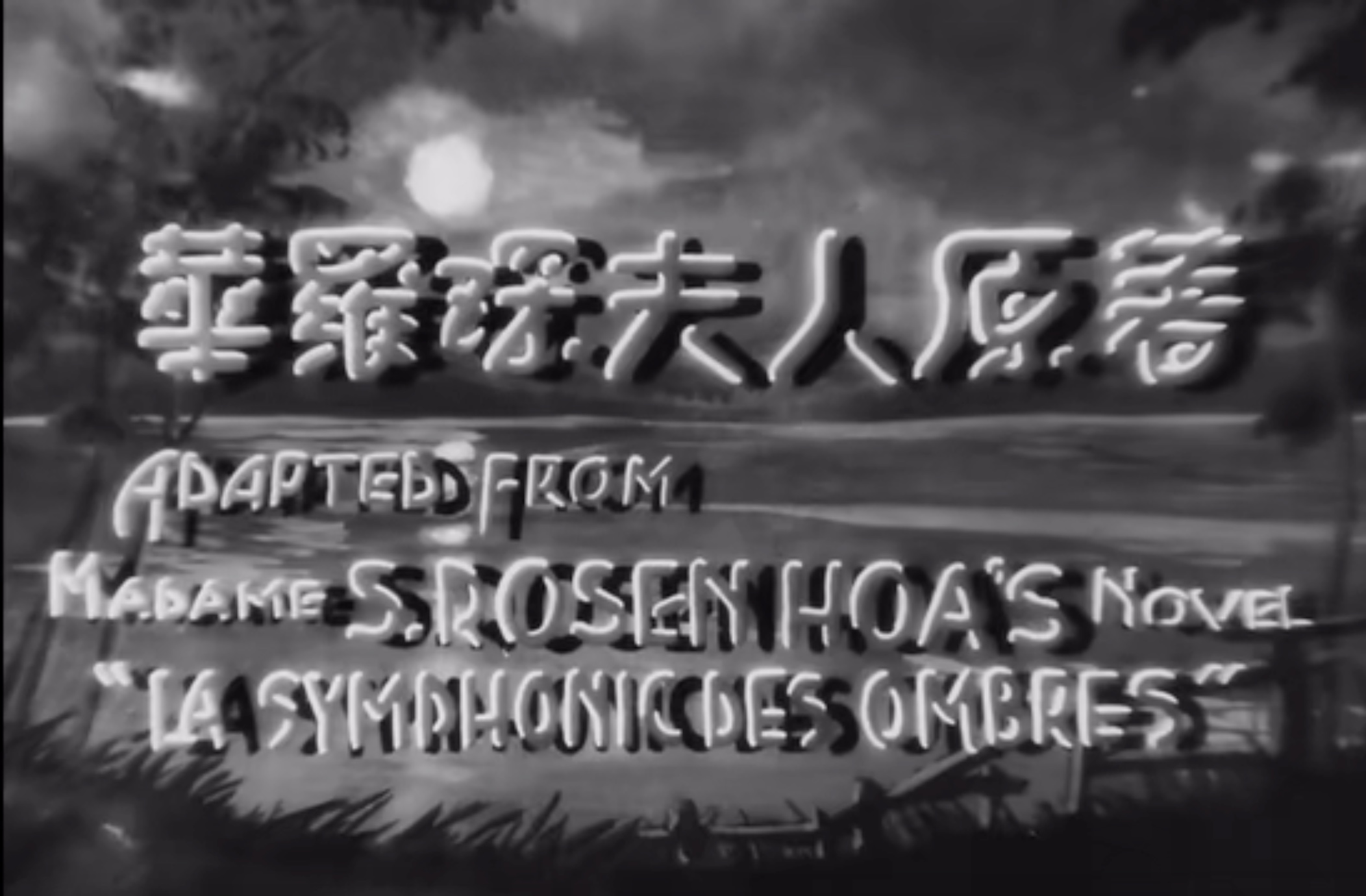
Although it is only shown for a short while, it is very clearly written “Adapted from Madame S. Rosen Hoa’s Novel << La symphonie des ombres >>”. This is very strange as the text is in English, but the name of the novel is in French. What is even more surprising is that Lian Hua film company was close to Chinese patriotic ideas of the time, but based one of its most famous movie on a foreign novel.

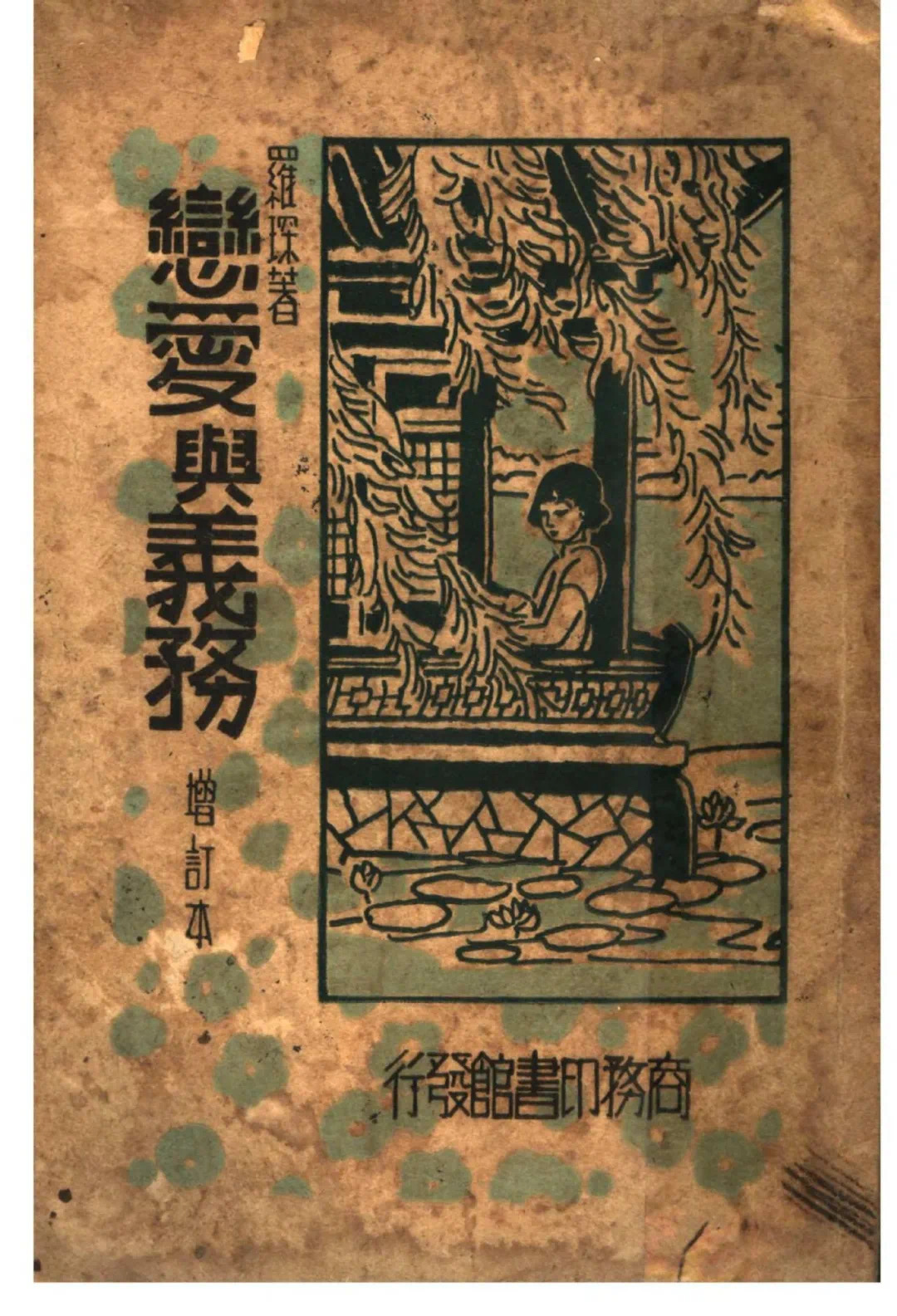
Love and duty was first written in French by author Horose or S. Rosen-Hoa. According to Catherine Hoa (Horose grand-daughter), it was translated in Chinese by Zhao Zu Min / 赵祖欣, unlike other books from Horose which were mostly translated by her husband Hua Nangui / 华南圭. It was first released in 恋爱与义务, that can be translated as “Love & Obligations” or “Love and Duty”, as a 8 parts series in the literary magazine of Shanghai based Commercial Press 小说世界 (The World of novels) in 1921. The author was indicated as 羅琛華. A book version was then published by Commercial Press in 1924.

Chinese cover of Love & Duty

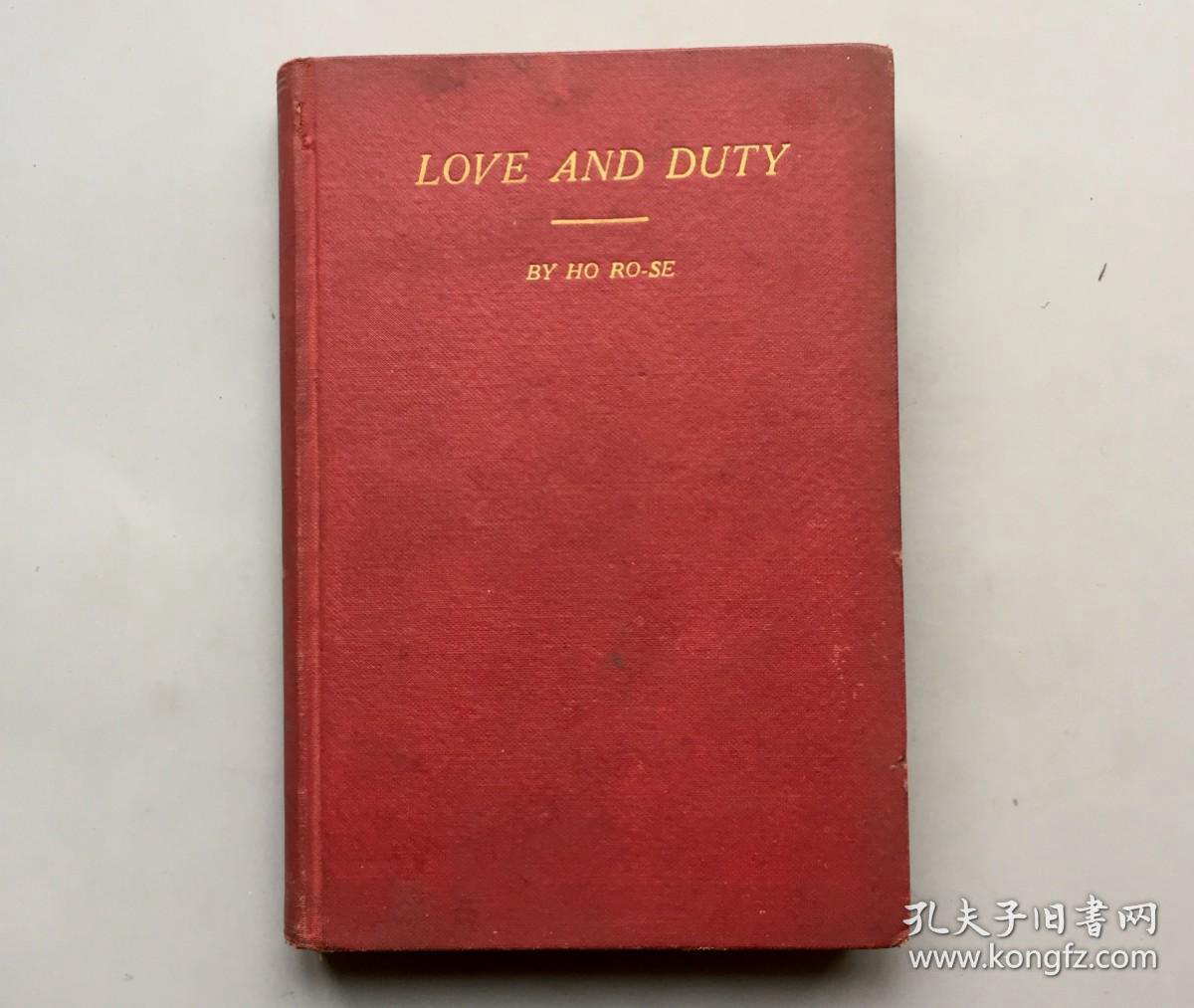
The book was a great success and was then published in English as “Love and Duty” by commercial Press in 1926. The author was written then as Ho-Rose. The book in English was also a great success and was reprinted several times, at least in 1927 and 1929. In 1931 the book was turned to movie “Love and duty”, with the success that we know. The theme of the book with its rejection of traditional values definitely matched the spirit of the UPC and the May 4th movement.

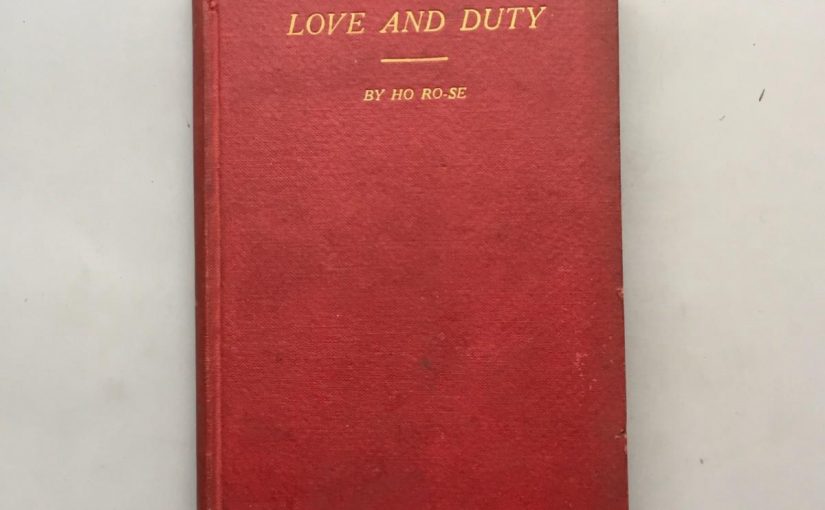
Original Love & Duty in English

“La Symphonie des ombres Chinoises” (symphony of Chinese shadows) was published in 1932 , by Editions de la Madeleine, 11 Rue Tronchet, Paris under the name of S. Horose.

Although there is no reference in this book about the Chinese or English edition, nor the movie adapted from it, the story is very similar to the movie. Characters have similar names and the author mentions that she had a successful writing career in China. There is no doubt that this is mostly the same book, with maybe some minor changes.

Interestingly, the French title has little to do with the original English or Chinese title. It is also slightly different from the one displayed in the movie credit as it did not include the “Chinoises” word. It was definitely added at the time of publication in France, emphasizing the China theme of the book and probably trying to capitalise on her previous book published in France which was focused on the cultural differences between the West and China. (See post “The Story of Horose or S. Rosen-Hoa part 2″ for more details”).

The introduction to the French edition includes a long part where the author complains that French people or the French authorities have no idea about China. She also complains about stories written by French authors and journalists about China that are often inaccurate or sometimes totally false. Although written in the early 1930s, such comments are unfortunately still valid today.

The book was mentioned in several newspaper article, including in Art review “Septimanie” in the 1st June 1933 issue and in daily “L’homme libre” from 12th July 1933. She also was invited for a few conference about China at the same time, but the book did not reach the success it had in China.

For more details about the movie “Love & duty”, please go to post “Love and duty (Part 1)“. The life Horose / S. Rosen-Hoa is explored in post “The story of Horose / S. Rosen-Hoa“.

Return to Brooklyn Court

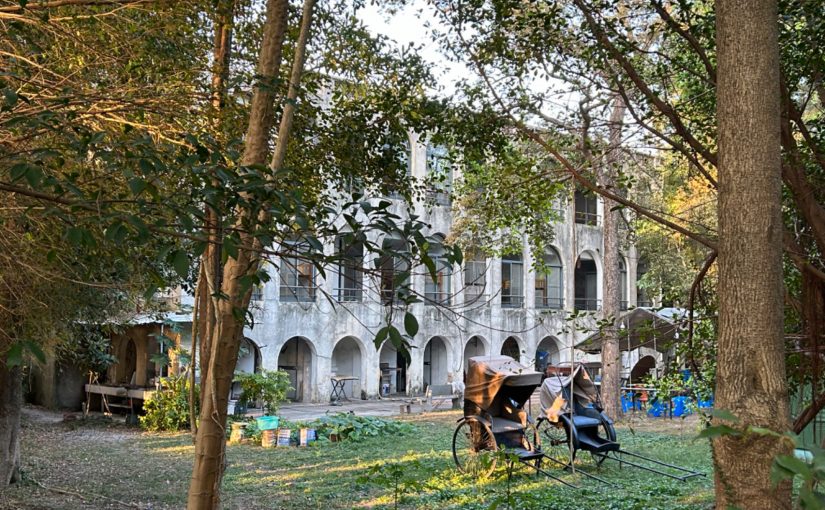
The building on 143 Route des Soeurs (143 Rui Jin Yi lu) has often attracted my interest. I wrote an original post about it in 2008 (See post Brooklyn Court, Routes des Soeurs for more details). The whole area has been under reconstruction for a long time, so I went to have a look again recently, taking pictures of the inside of the building.

Using every single inch

The lilong at the corner of Avenue Joffre and Route des Soeurs (today Huaihai Zhong Lu and Shaanxi bei lu) has been destroyed a number of years ago, as a metro station was built on part of it. New construction in the area has now started and no concession has been left to the history of the area, nor to aesthetic. The surrounding building kind of wraps around half of Brooklyn Court, making sure that every square inch available is used fully. The result is weird and frankly not very nice and will drastically reduce the light coming into the appartements overlooking the back side.

Backside of Brooklyn Court

I also managed to get into Brooklyn Court, hunting for more architectural details than in my first visit. Brooklyn Court was first announced in 1931, as part of the Asia Realty (also known as ARCO) redevelopment of the lot with the adjacent Luck Terrace (now demolished, unfortunately). This was an apartment building “of a medium class”, costing 370,000 taels to build. By 1934 it is finished and occupied. The outside of the building is not particularly sophisticated.

While entering in the building, one of the first sight is the large cross-shaped light wells. It is very disctinctive, while bringing a lot of light to this dark passage. Their shape is so specific that they can be seen from the sky like on below picture (right picture by Matthias Guillin).

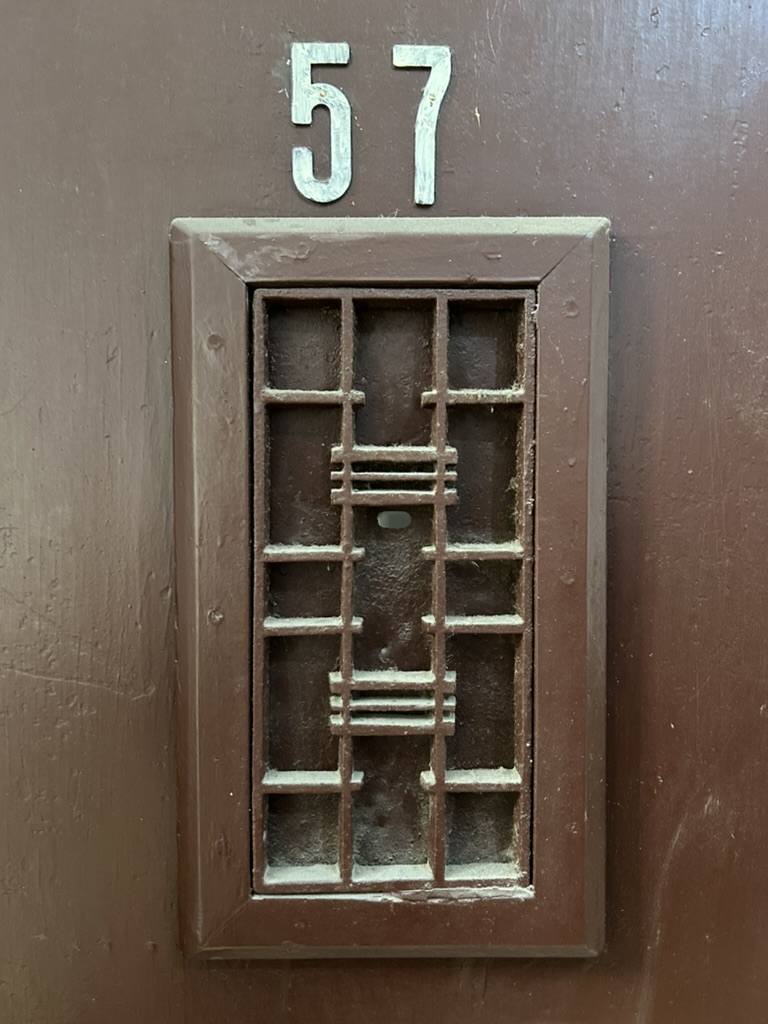
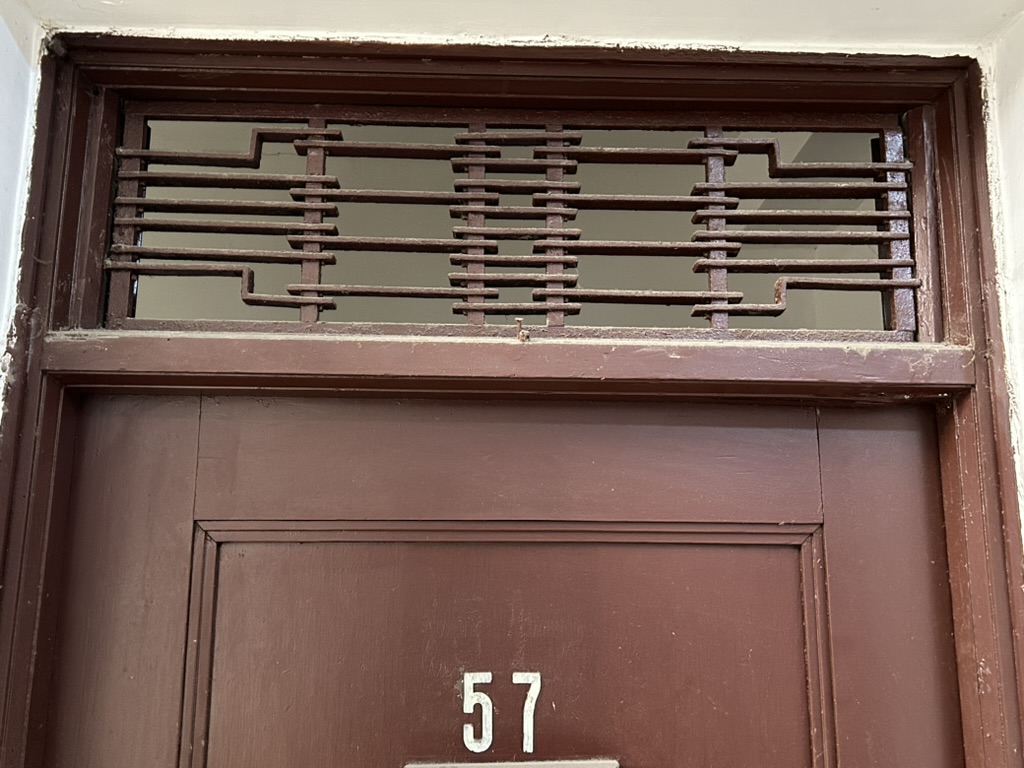
Although Brooklyn Court was only “of medium class”, it is clearly marked by his time with inside decoration. Art Deco was the style of the time, and it really shows in the iron work for windows and doors which are really unique in Shanghai.

ARCO’s architects at the time of construction (1931 – 1933) were listed as J. A. Hammerschmidt & F. Schäffer.
– Josef Alois Hammerschmidt was an Austria architect born in Vienna in 1891. He studied at the Technische Hochschule in Vienna, was captured during WW1 and sent to Siberia. After the war, he worked in Tianjin, part of the time with Rolf Geyling, reaching Shanghai in 1931.
– Férenc Schäffer was a Hungarian architect, trained in Budapest and also taken to Siberia as a war prisonner. He reached Shanghai in 1920, were in probably first work with Lászlo Hudec in the office of American architect Rowland A Curry. During his time in Siberia, he met a fellow Hungarian, Sandor Hugo who later became ARCO’s General Manager including at the time of construction of Brooklyn Court.

This is probably through this Austro-Hungarian connection that Hammerschmidt was brought to ARCO in 1931. A few years early, ARCO already headed by Sandor Hugo had hired Lászlo Hudec’s new firm for a development project in 1925-26. The little communitee of Hungarian architects in Shanghai also included art deco star Karoly Gonda (designer of the Cathay Cinema among many others), Béla Mátrai and Janos Komor who designed the Lester Institute in Hongkou district.

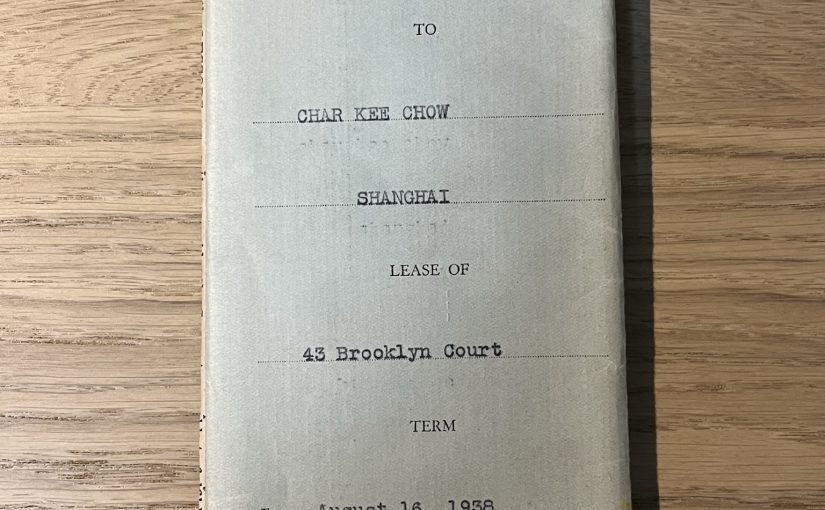
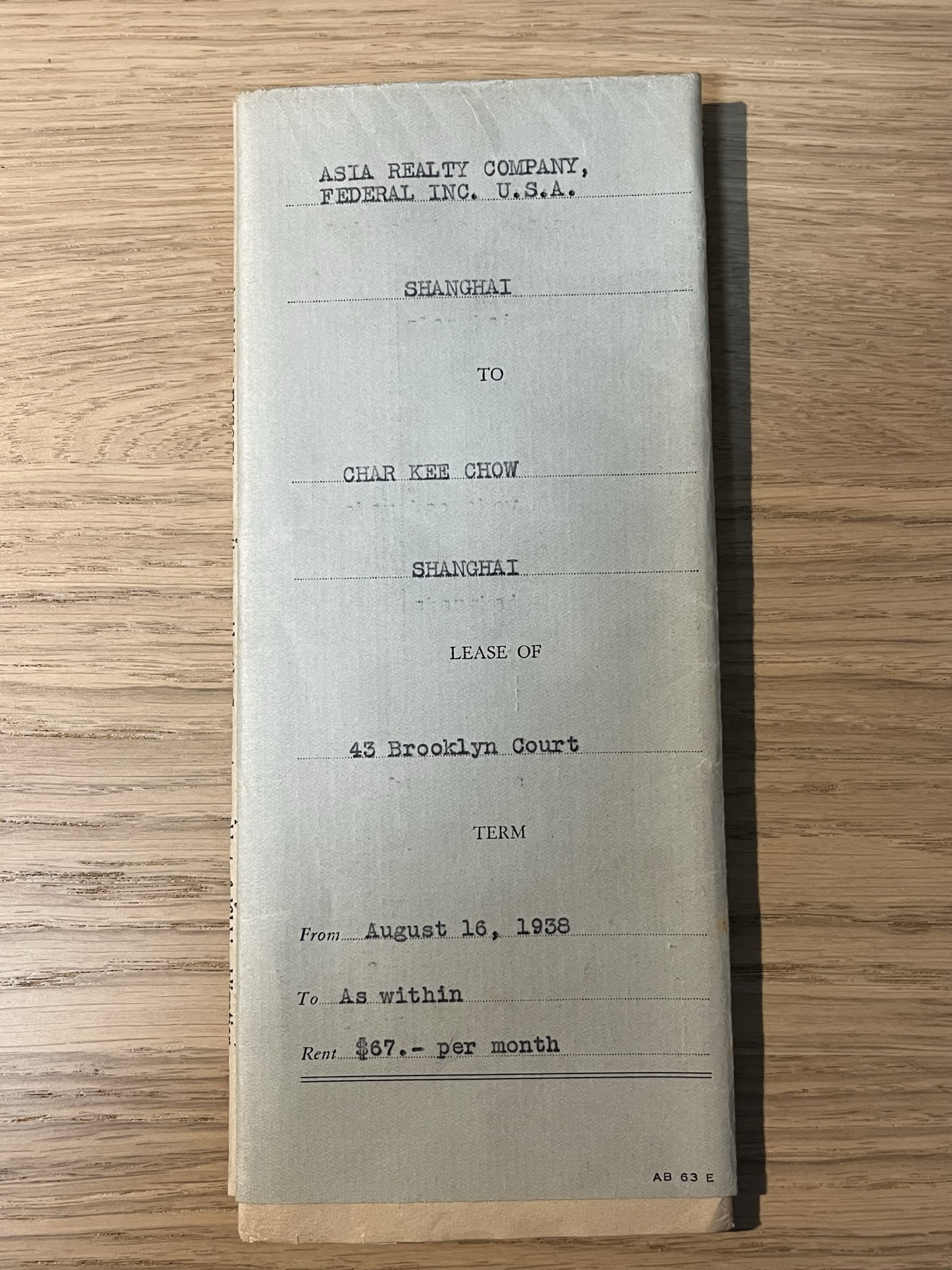
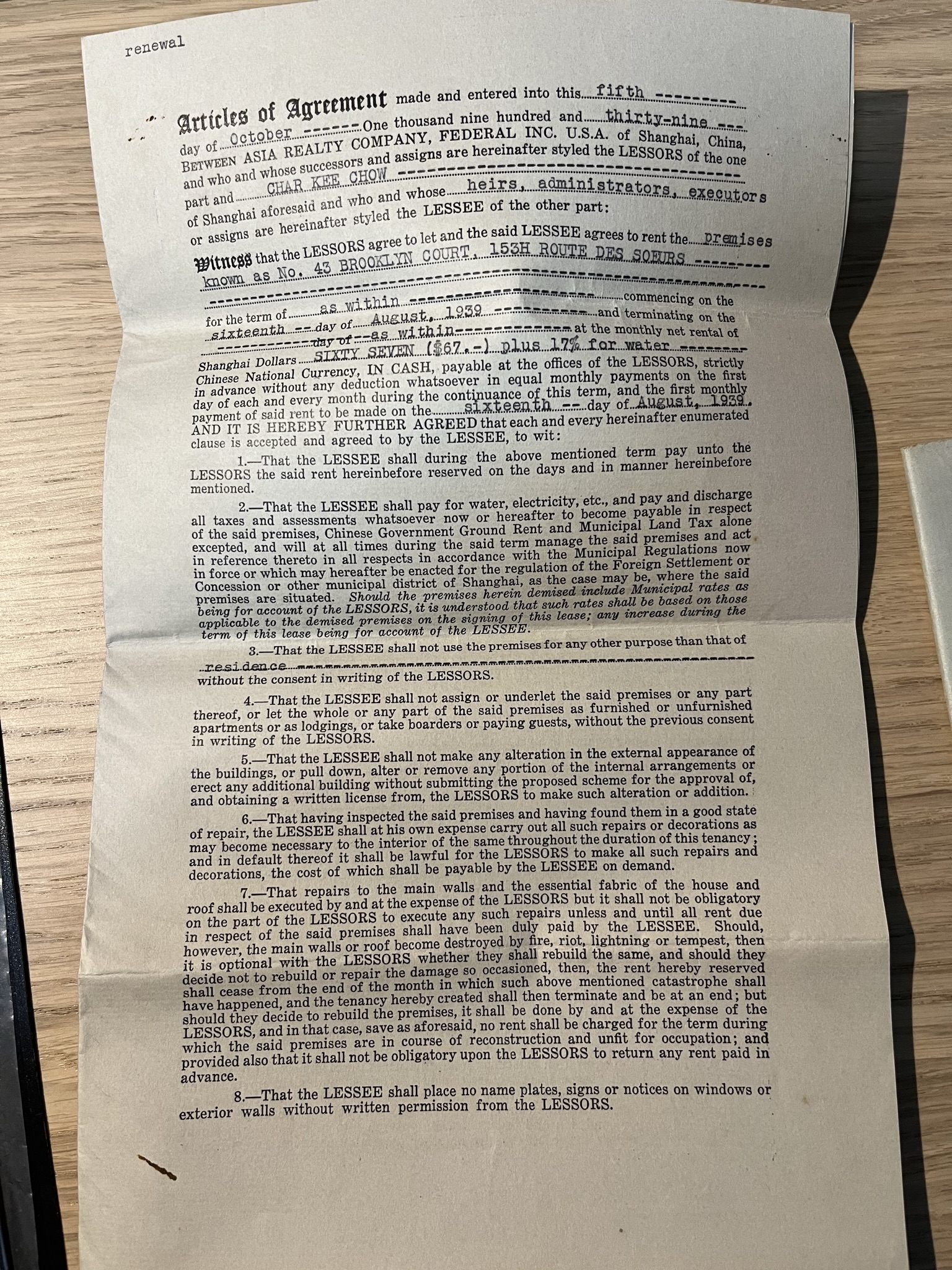
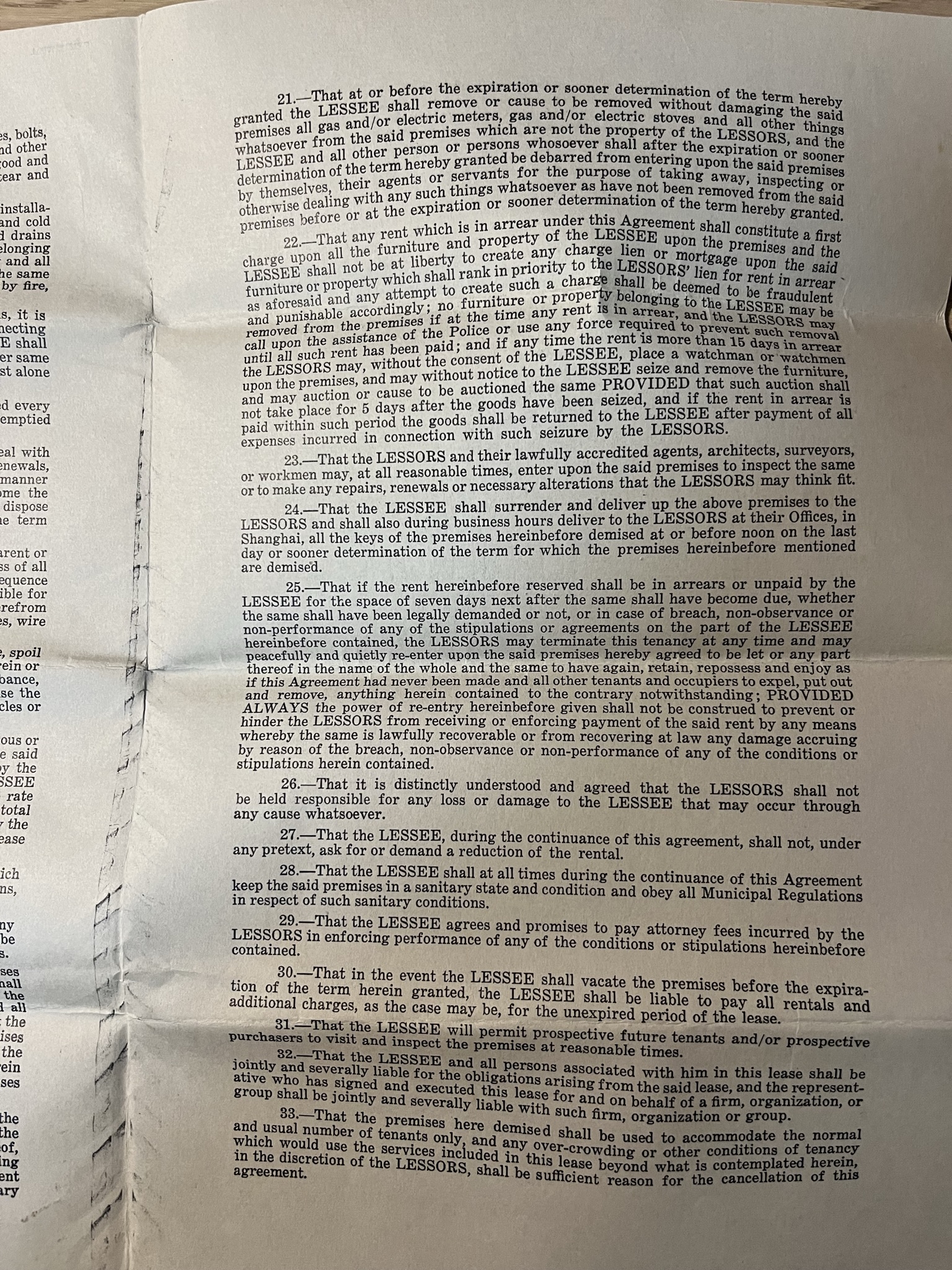
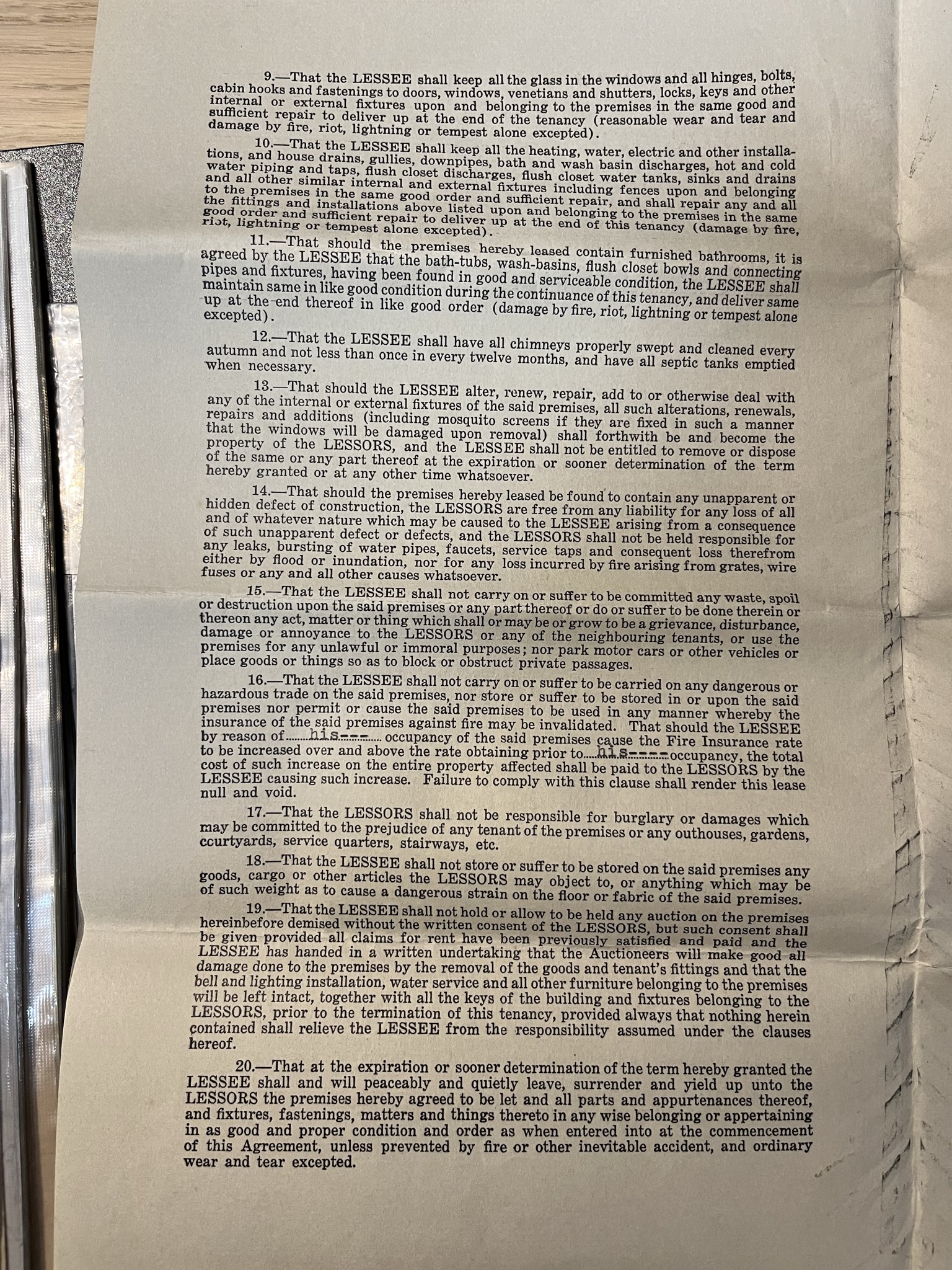
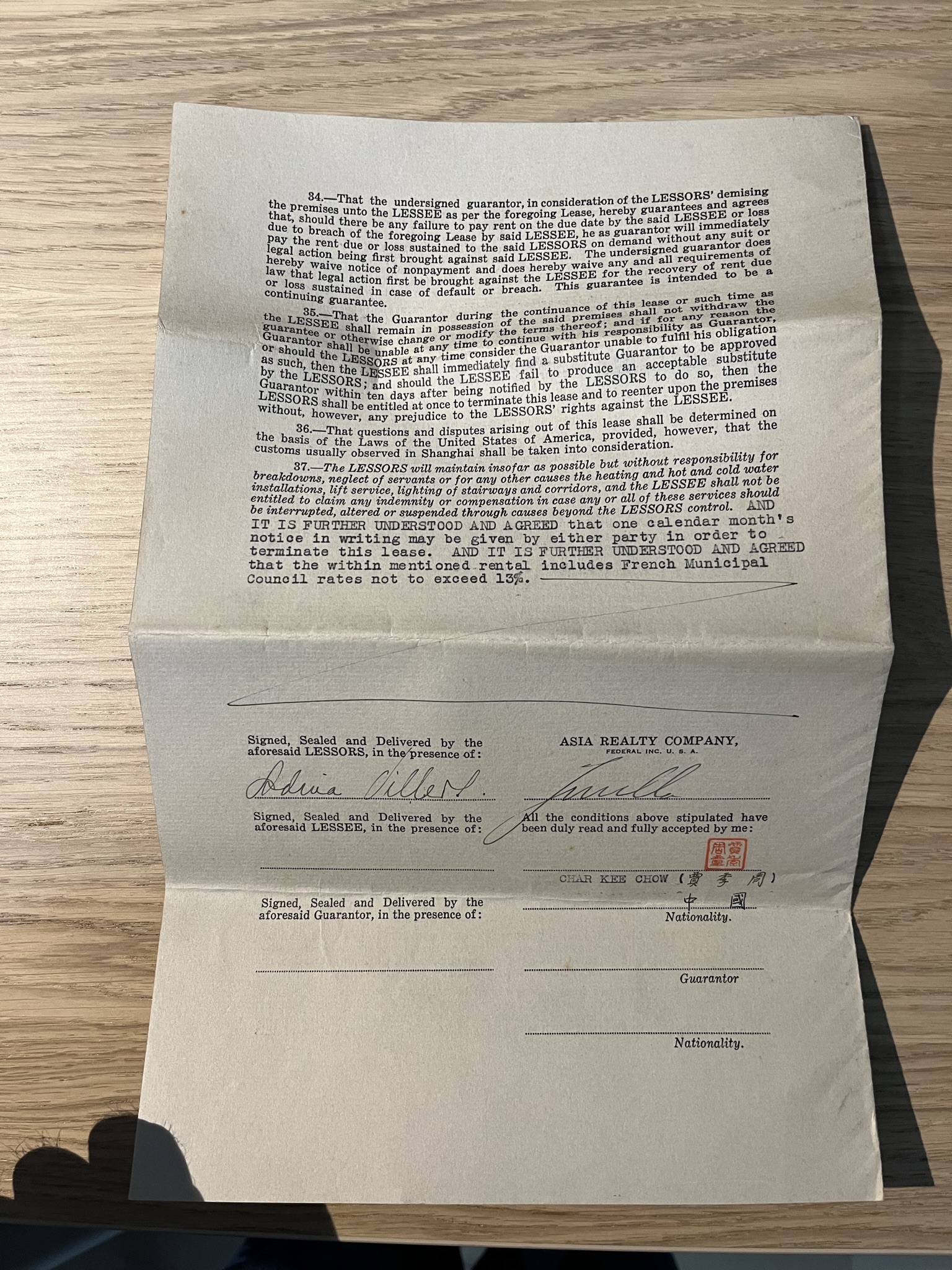
For more info about Brooklyn Court, see post “Brooklyn Court, Route des soeurs” and “43 Brooklyn Court rental contract“.

The crime is mine

French movie “The crime is mine” is inspired by a play from the 1930s. Director Francois Ozon have turned into a movie that has many references to French cinema past and present, including many actors that are famous in France. This will probably be lost to the non French viewer. What is stunning for the 1930s and Art Deco fan are the fantastic decors and costumes.

1930s locations around Paris and further have been used, including the below bridge that is located in Bagneux, a few kilometers from Paris.

Le pont des Suisses in Bagneux

The story is focused on two ladies, one of which being accused of killing a major film producer, and the other one being her lawyer. The crime is taking place in the luxurious villa of the producer, which is actually the fabulous Villa Empain in Brussels.

The villa Empain in Brussels

Costumes were carefully modeled after the 1930s fashion, creating a real visual univers for the movie. This helps to imagine how life in part of the former French Concession looked like.

Great 1930s costumes

The whole movie has a light atmosphere. Many people seem to like it, although I tend to prefer a noir atmosphere for movied taking place in this period, just like TV series Babylon Berlin taking place in the 1930s. In any case, The crime is mine will delight Art Deco et 1930s fan.

Center Stage / 阮玲玉

Actress Ruan LingYu 阮玲玉 was one of the main star of Shanghai cinema in the 1930s. Shanghailander.net’s series of blog posts about her 1931 movie “Love and duty” sparked interest in the readers. One of them pointed me to the 1991 Stanley Kwan Hong Kong movie “Center Stage” or 阮玲玉 (Ruan Lingyu) in Chinese.

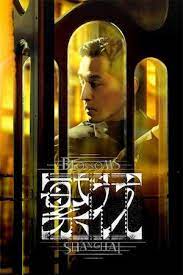
Center stage 阮玲玉 / Movie poster

Center Stage is focused on the life of actress Rang Lingyu, from the time she became an actress for the Lian Hua studio in 1930.

Stanley Kwan Hong Kong movie mixes biopic like scenes with cuts from the two remaining original movies (The Godess 1934 and New women 1935). It also adds interviews from people who actually knew Ruan Lingyu, and of some of the movie cast. Maggie Cheung is fantastic at interpreting Ruan Lingyu’s sensibility.

Maggie Cheung playing Ruan Lingyu

One of stunning feature of the movie is that various actors speak different Chinese dialects to each other. Ruan Lingyu, as many people of the Lian Hua studio speak cantonese. Other characters speak mandarin or Shanghai dialect, but they all seem to understand each other somehow.

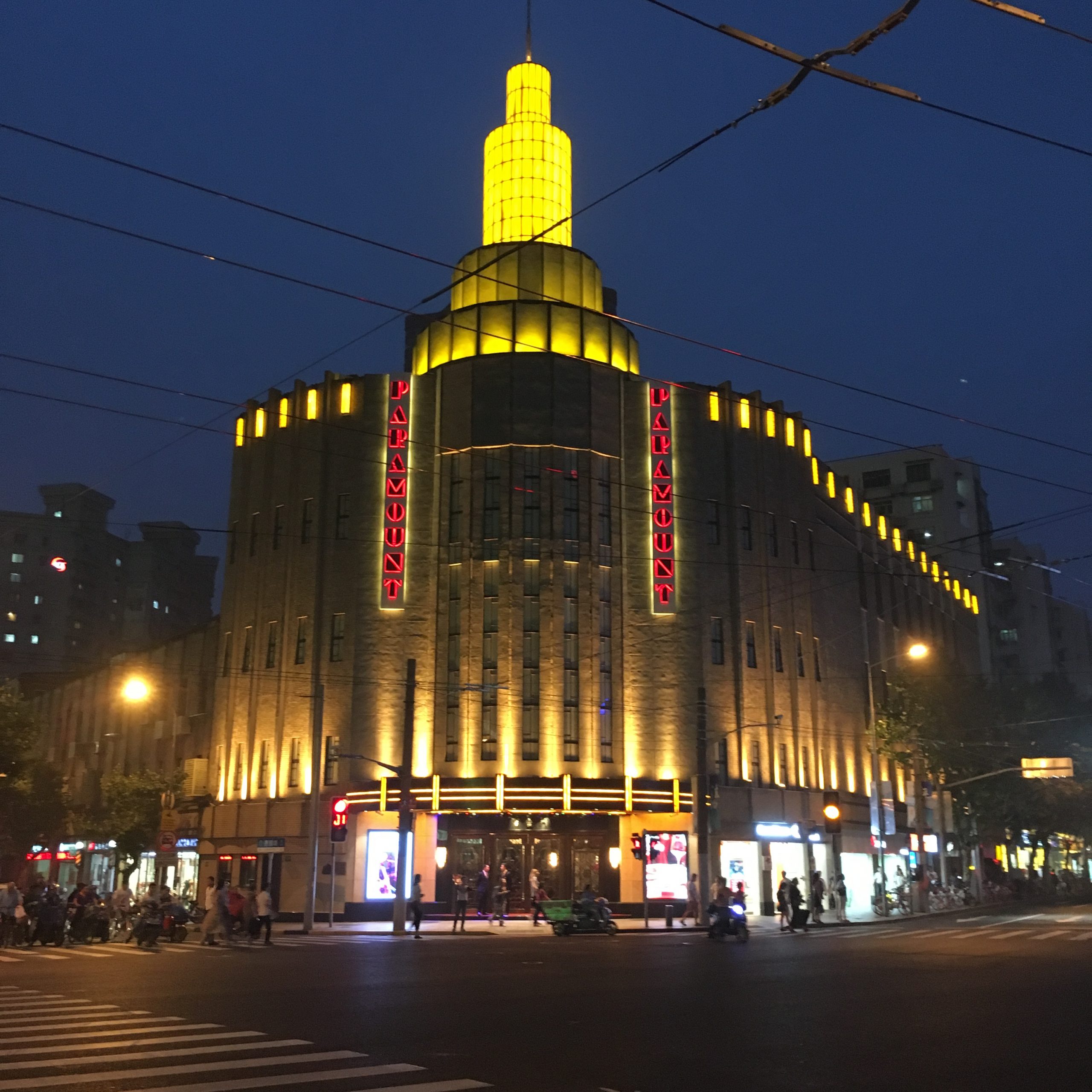
A number of surviving pictures have been studied to recreate the original scenes. Enormous work has been done on the architecture, art, fabrics and objects of the time. The art deco mansion occupied by the Lian Hua studio feels like a Shanghai villa, just like the dance club is clearly inspired by Shanghai’s paramount.

Great decors creating the atmosphere

Although not so well known in the West, the movie was well received by critics, with Maggie Chueng earning a Silver price for acting in Berlin festival in 1992. It is definitely a must see for Old Shanghai lovers. Too bad “Love and Duty” was only found and restored after “Center Stage” was made, that would have been a great match.

For more Maggie Cheung movie related to Old Shanghai, see post “25 years of in the mood for love“.

The Peking Express

The story of express train abducted in Shandong province by local gangsters in the 1920s was the base for World famous 1932 Hollywood movie “Shanghai Express”. James Zimmerman’s “The Peking Express” is the true story of this incident and its consequences in China and beyond.

Although the whole journey was called the Pekin Express, the actual line ran only from Pukou (today part of Nanjing) to Tientsin (today Tianjin). Passengers from Shanghai would take a train from Shanghai Station (Today Shanghai railway station) for a few hours to Nanjing, and then cross the Yangze river on boats (the first bridge over the river lower was only built in 1968). After desembarking in Pukow, they would get into the train heading to Tsientsin (today Tianjin). In late 1922, the train was equiped with new luxury sleeping carriages, allowing an overnight journey of only 38 hours from Shanghai to Beijing, over 1435 kms through Zhejiang, Shandong and Henan Provinces.

Foreign hostages of the high luxury train counted several known figures in Shanghai including editor of Shanghai Weekly review JB Powell, as well a China press report Larry (Llyod) Lehrbas. Businessmen included Leon Friedman one of the leading car dealers in Shanghai, Lee Solomon the leading mahjong sets exporter to the West and Giuseppe D. Musso, an Italian lawyer wellknown in the community. Passengers included (wealthy) tourists, such Lucy Aldrich, sister in law of the Rockefeller family, as well as two US Army majors and their families and a number of interesting characters. They also included Marcel Berubé, a French man working for the Chinese Salt Administration in Tianjin.

Local bandits organised the train derailment in the early hours of th 6th May 1923. After having stolen all passengers properties and train amenities, they took the passengers hostage, trying the get concessions from the regional and national government. Although there was more than 100 hostages, the story focuses on the 28 foreigners who were travelling in first class, along with 2 Chinese citizens that staid with them. The book tells the story of the robbery, the captivity of the hostages as well as the escape of some of them. It also tell about the supporting effort, notably by the Shanghai foreign community, lead by Carl Crow and the mediation efforts until the release of the last prisoners about a month later.

James Zimmerman has lived in Beijing for 30 years, and has done an amazing research in the topic. Many of the hostages wrote notes about their captivity, sometimes publishing books or articles. Zimmerman has definitely read most of those books as well as been in touch with many families of the hostages, findind resources that had not been used before. The whole incident is told in great details, with recurring quotations from all the journals writen by the hostages. The information content is very dense, but using the voices and quotation from the actual people make the book an easy read. James Zimmerman has also explored the area where the whole incident took place in Shandong province and gives a lot of important information about the location and landscape of the area. This makes the book an easy read, as well as a strong source of information for people knowledgeable about Old Shanghai.

The last kings of Shanghai

2020’s book “The last kings of Shanghai” by Jonathan Kaufman has been on my reading list since publication, but I only read it recently. I had high expectations from the review and the book has some really interesting parts, at the same time it is a bit of a disappointement from an Old Shanghai researcher point of view.

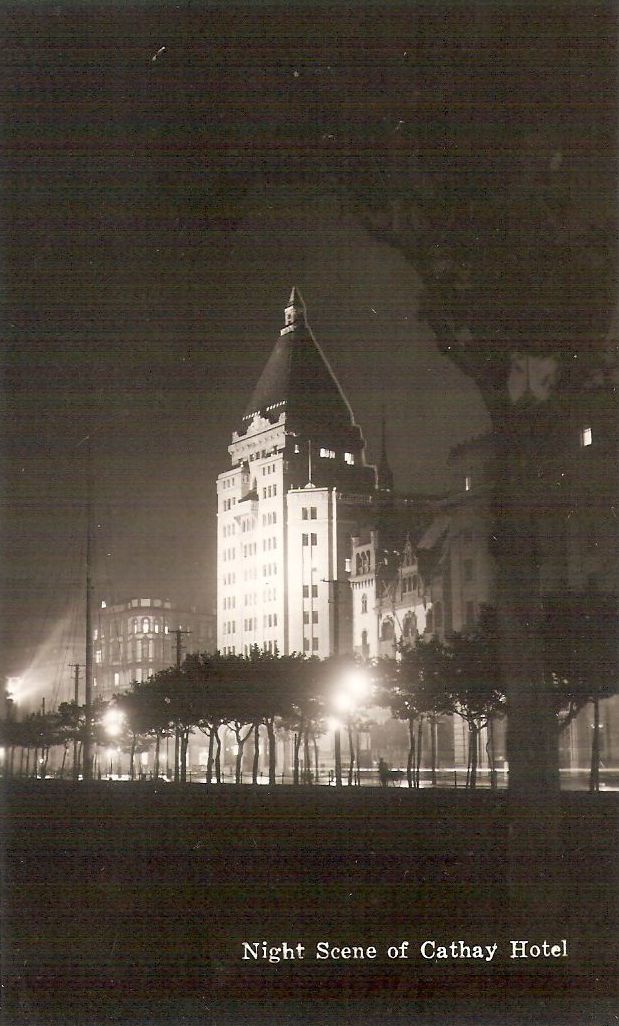
A number of books have been written about the Sassoon’s trade empire, and particularly about its most visible character in Old Shanghai, Sir Elias Victor Sassoon. Instead of focusing on this family only, “The last kings of Shanghai” tells the story of two competing families, the Sassoons and the Kadoories. Both Jewish families originated from Baghdad through Bombay, ending up in Shanghai. Both left grand buildings in Shanghai, the Sassoon’s Cathay Hotel and the Kadoorie’s Marble Hall.

As opposed to the Sassoon’s, the story of the Kadoorie family is much less known. The author description of the family life in Shanghai, the role of the death of Elly Kadoorie’s wife Laura on him and his sons Lawrence and Horace is really informative. The roles and differences of both brothers in running the business in Shanghai and in Hong Kong brings a lot to this story. The book does not stop with the end of Old Shanghai in 1949, but also covers the crucial involvement of the family in Hong Kong development as well as their return to China in the 1980s and Shanghai come back with the opening of the Peninsula Shanghai on the Bund in 2009.

Kadoorie’s Palace Hotel (left) and Sassoon’s Cathay Hotel (Middle)

Although it brings some good information, the book is also shallow on a number of topics. The author seems to be more interested in telling a good story than doing in-depth historical research. Sometimes, subject are simply overlooked when more research would have been valuable as well as bringing accuracy. This was underlined by the FT review of the book , mentionning that “Laura Mocatta, Elly’s dynamic wife, is described as “an educated British aristocrat”. The Mocattas were prominent British Jews, but, unlike the Rothschilds, not ennobled.”

Similarly, the history of the Kadoorie’s Shanghai & Hotels group property and its architecture could have been more detailled. It has been documented that Abelardo Lafuente, the Spanish architect in Old Shanghai had a close relationship with the Kadoorie family, having been involved in the interior decoration of several of their properties including the Palace Hotel in 1922 and the Astor House Hotel in 1917 and 1923., but he is never mentioned. As explained by Katya Kniazeva in her post, Aberlardo Lafuente was commissioned to create the Jewish Club near the Kadoorie’s house on Bubbling Well Road in 1918. This particular building also burned down some times after the fire that took Laura’s life. Marble Hall was created by renovating this structure after the fire, keeping a familiar look.

The Jewish Club before it became Marble Hall (source Avezink)

Similarly, the story of the Majestic hotel is also overlooked. The book mentioned that the building was bought from ” Scottish friends of the Kadoories”. Those “Scottish friends” were the McBain, one of the most important family in Shanghai, involved in petrol distribution all over China and other businesses. The “Spanish / French” architect hired to create the Majestic hotel was also Aberlardo Lafuente.

“The last Kings of Shanghai” is definitely an entertaining book telling a great story. It’s a great introduction to Shanghai history and its foreign influence. Too bad the author did not go into more details on a number of topics. That would have made the book even more valuable.

“Death in Shanghai” by MJ Lee

I have read a number of novels taking place in Old Shanghai, but for some reason I missed MJ Lee’s “Death in Shanghai” until now. It is amazing I did not get to read it before, having been interested in both crime novels and Old Shanghai for a long time.

Original cover for “Death in Shanghai”

Piotr Danilov is the only foreign inspector in the Shanghai International Settlement’s Police Dept. Being Russian, he spent time in Scotland Yard, hence his excellent command of English. He also speaks French although where or how he learned is not clear. This conveniently helps him being sent to discuss with the French concession police when required. As a hard working cop, he is very much isolated among his moslty lazy, violent and corrupt British colleagues. Danilov also has his dark past that will be uncovered through the novel. Danilov’s sidekick, Strachan, is also an outsider being born of a British father and a Chinese mother and not being part of any of those communities.

The book starts with a corp discovered in the Suzhou Creek with inspector Danilov being put in charge of the investigation. The police hierarchy wants a quick found convict, but soon more murders will be linked to this one, both in the International Settlement and the French Concession. The books plot is complex but not overly so, making it a fluid read.

The main character of the book is not a person, but a city. MJ Lee has lived in Shanghai and definitely used historical documentation to write his novel. The city description is not limited to its buildings but also includes scents, food tastes and sounds giving a lot of atmosphere to the story. It is mostly accurate in its geography of the city giving a lot of credibility to it from an Old Shanghai enthusiast point of view. One of the twists of the story actualy comes from the Garden Bridge on the Suzhou Creek and the Shanghai Morgue, inside the Shanghai General Hospital, being located close to each other. Although the book has been historicaly researched, the novel does not become a show of the author’s knowledge of Old Shanghai like other ones I have read before. The story reads easily even if the reader knows nothing about Old Shanghai.

As an Old Shanghai researcher I could not avoid picking a few anachronisms. As an exemple, the author mentions “Art Deco” buildings and jewelery in 1928, when the term “Art Deco” was only coined in the 1950s or 1960s (see post “1925 when art deco dazzled the World“) . Another point is the mention of the “Shanghai Badlands” in 1928, an area that became known under this name only after 1937 Japanese occupation. I also noticed a small mistake in the French dialogs when a gard at the French police was called a “fonctionnaire”, meaning civil servant which sounds pretty weird in the story. The author surely meant a “factionnaire”, meaning a “soldier on duty”. This also shows that the author probably speaks French himself, as the French dialogues are very good in the book.

With its historical accuracy, its interesting plot and good writing style, “Death in Shanghai” is definitely a great read and a good introduction to Old Shanghai. I am looking forward to read the three other novels in the series. Having lived in the Shanghai at the same time as the author, I can only regret that we did not meet then as we would have had a number of common interests.

For those mosty interested in crime novel in new Shanghai, I can only recommend the famous Inspector Chen series from author Qiu Xiaolong (See post Red Mandarin dress for more details).