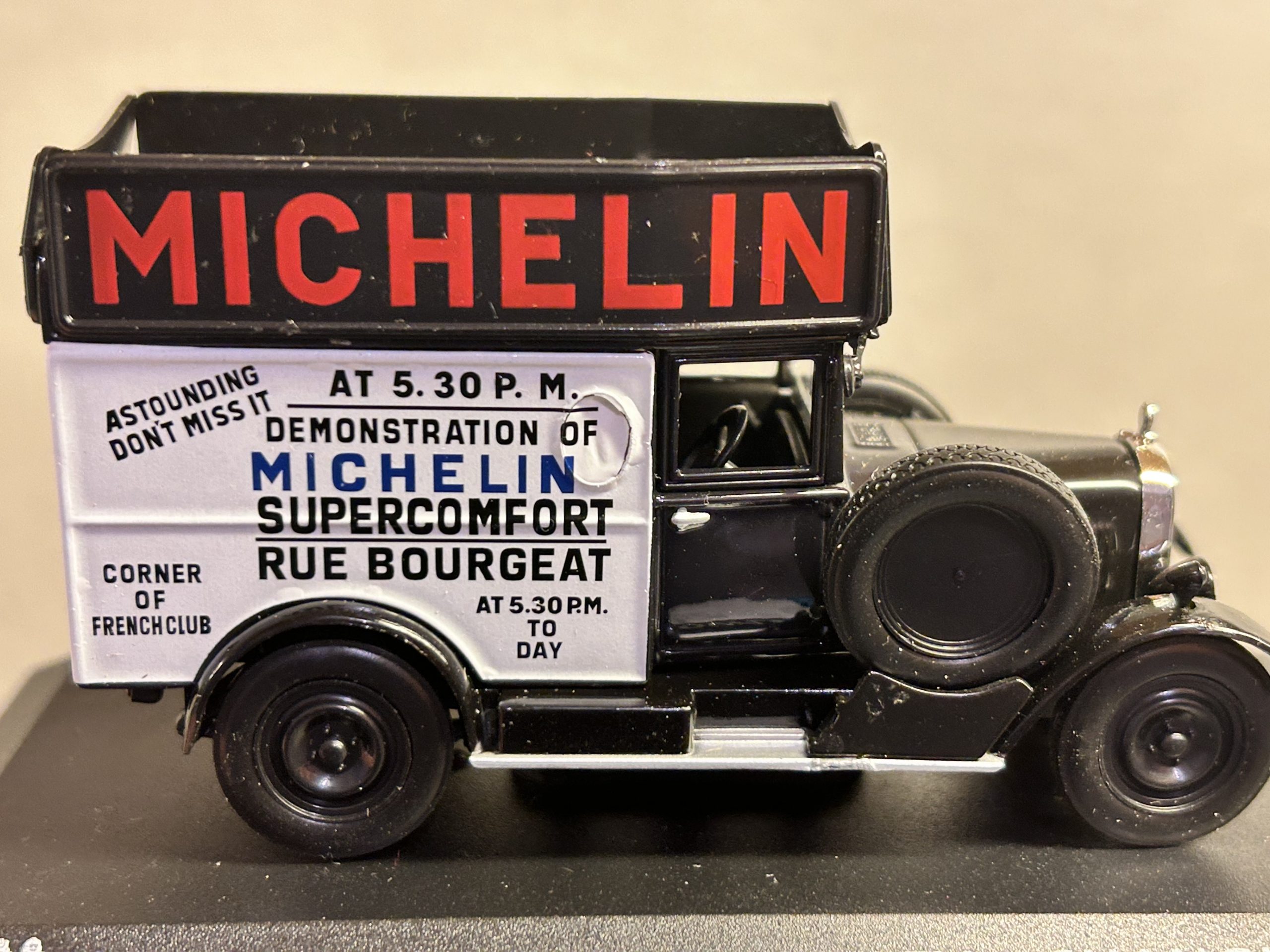
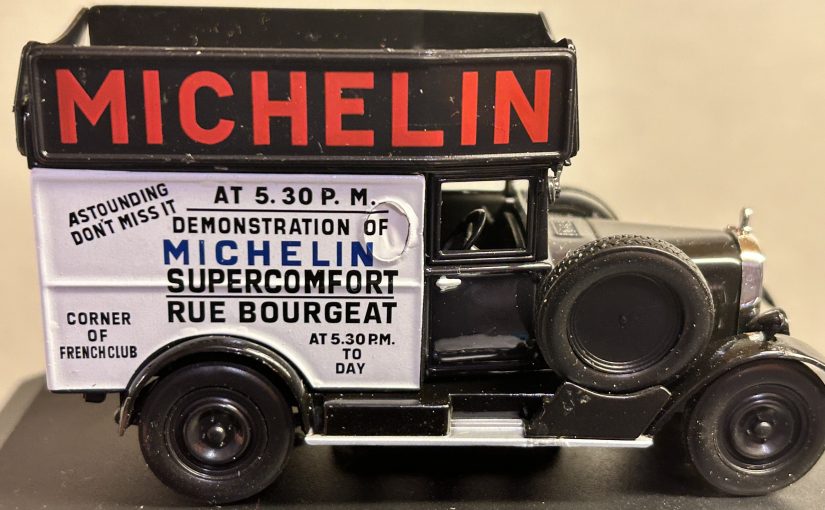
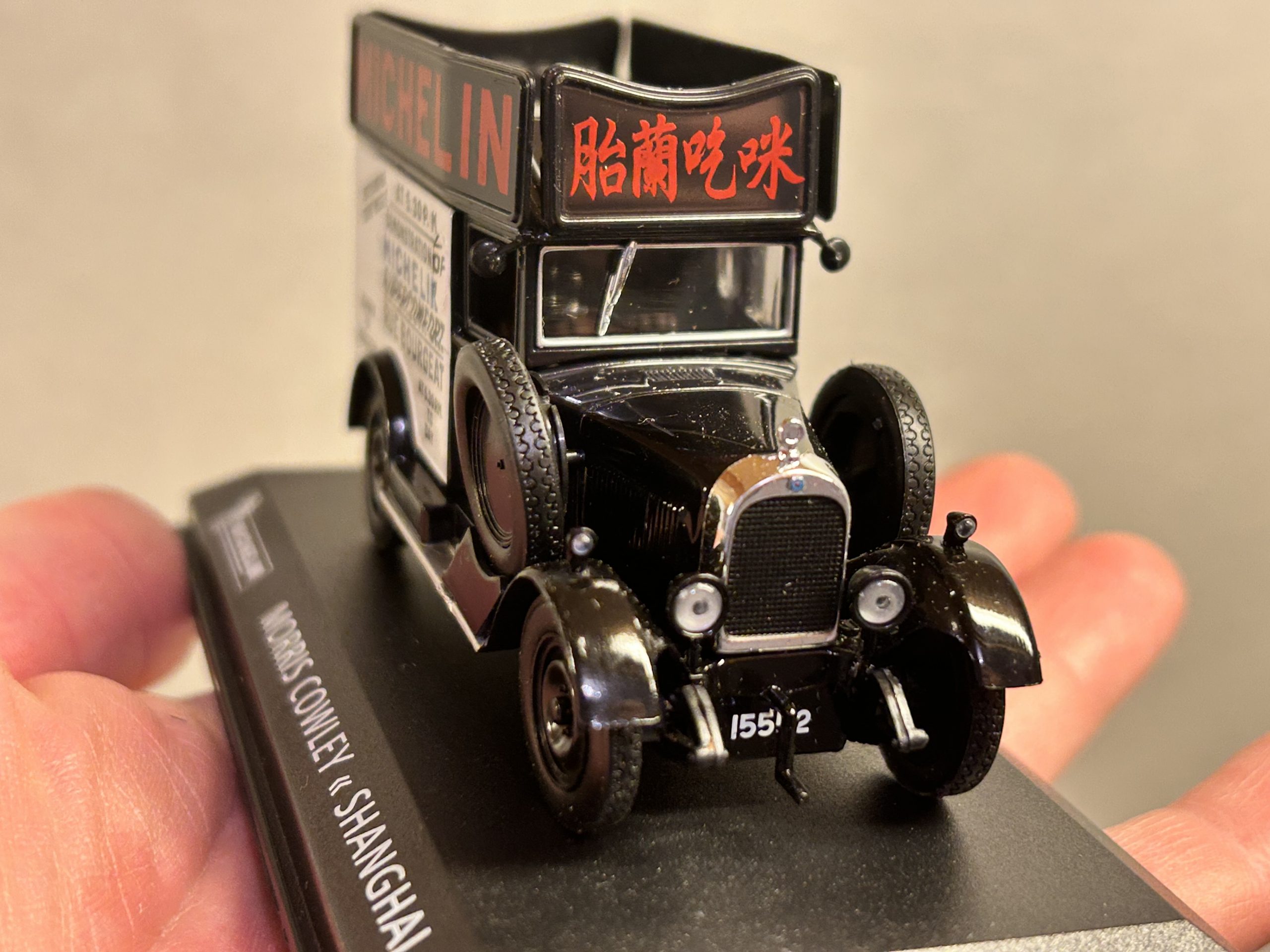
1928 Michelin advertising car

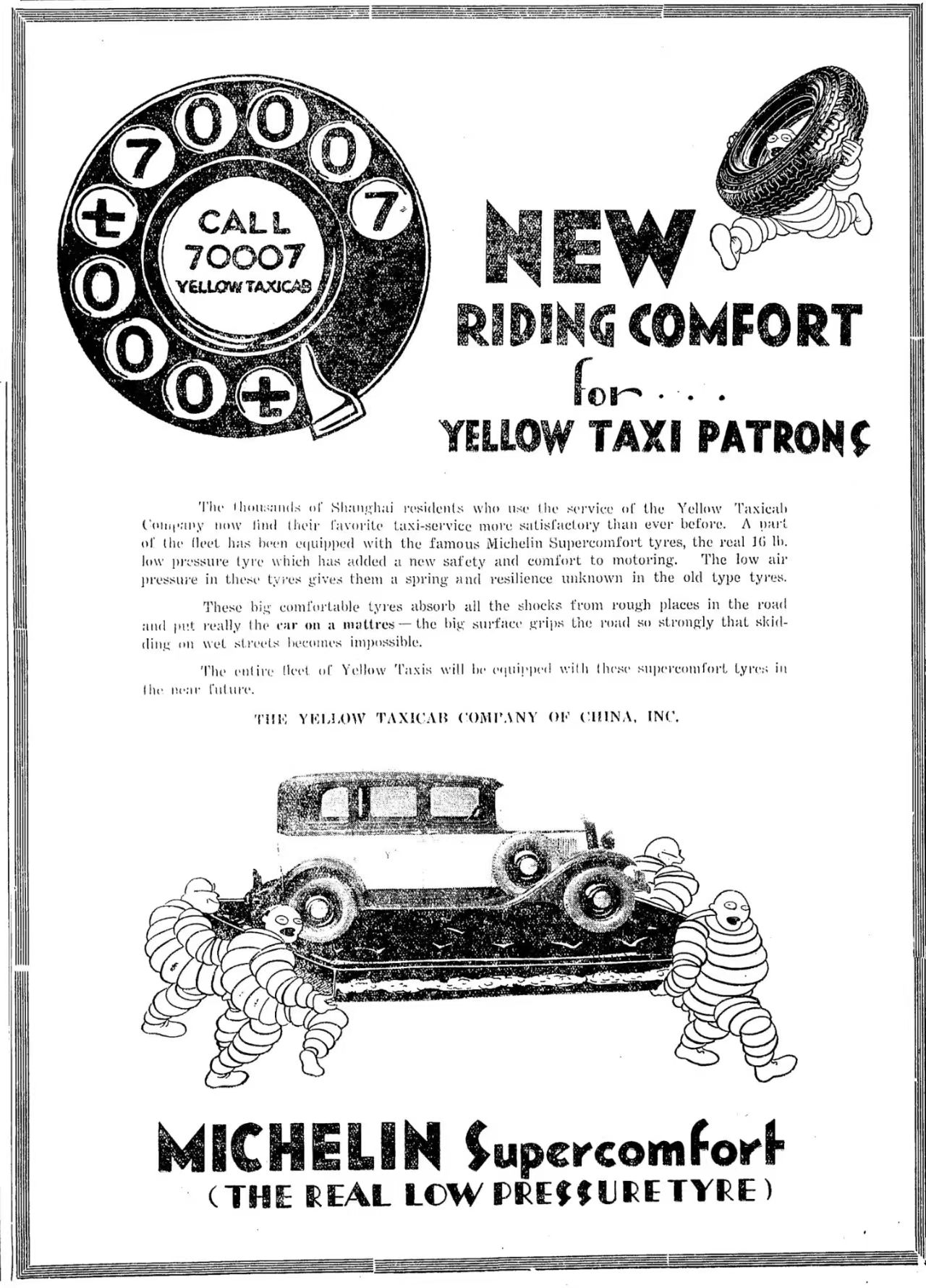
Shanghai has constantly chased modernity. In Old Shanghai, inventions such as tramways, and electricity were introduced in their early days. This was also the case for automobiles. By the 1920s, Shanghai already had many cars and streets were often blocked by traffic jams. Along with cars came tires, as shown by the model of a car used for advertising Michelin tires in Shanghai.

The above car is part of a series of Michelin advertising cars models, distributed in France a few years ago. This model was used in Shanghai, in the late 1920.

Michelin brand in Chinese in the 1920s was 咪吃兰胎 , which is different from the modern 米其林. The brand in Chinese is displayed at the front and the back on the roof. MICHELIN is displayed on both sides of the car.

The address for the advertising for Michelin tire demonstration is, “Rue Bourgeat”, “Corner of French Club”. This is located at the corner of Changle Lu / Rue Bourgeat and Maoming lu / Route Cardinal Mercier. It is opposite the Cercle sportif Français, with Cathay mansions on the other side of the street. The fourth corner is occupied by Lyceum Theater. This was the main spot of the French concession at the time.

The back of the model car with the advertising in Chinese characters is well reproduced, with characters easily readable. The meaning is the same as the English text including location near the French Club. The car had 2 license plates, one for the French Concession (that was also valid for the International Settlement) and one for the Chinese territory.

This car is a Morris Cowley Flatnose, produced between 1926 and 1931 at the Cowley plant of Morris Motors Limited near Oxford. The advertising support was probably added in Shanghai and removable.

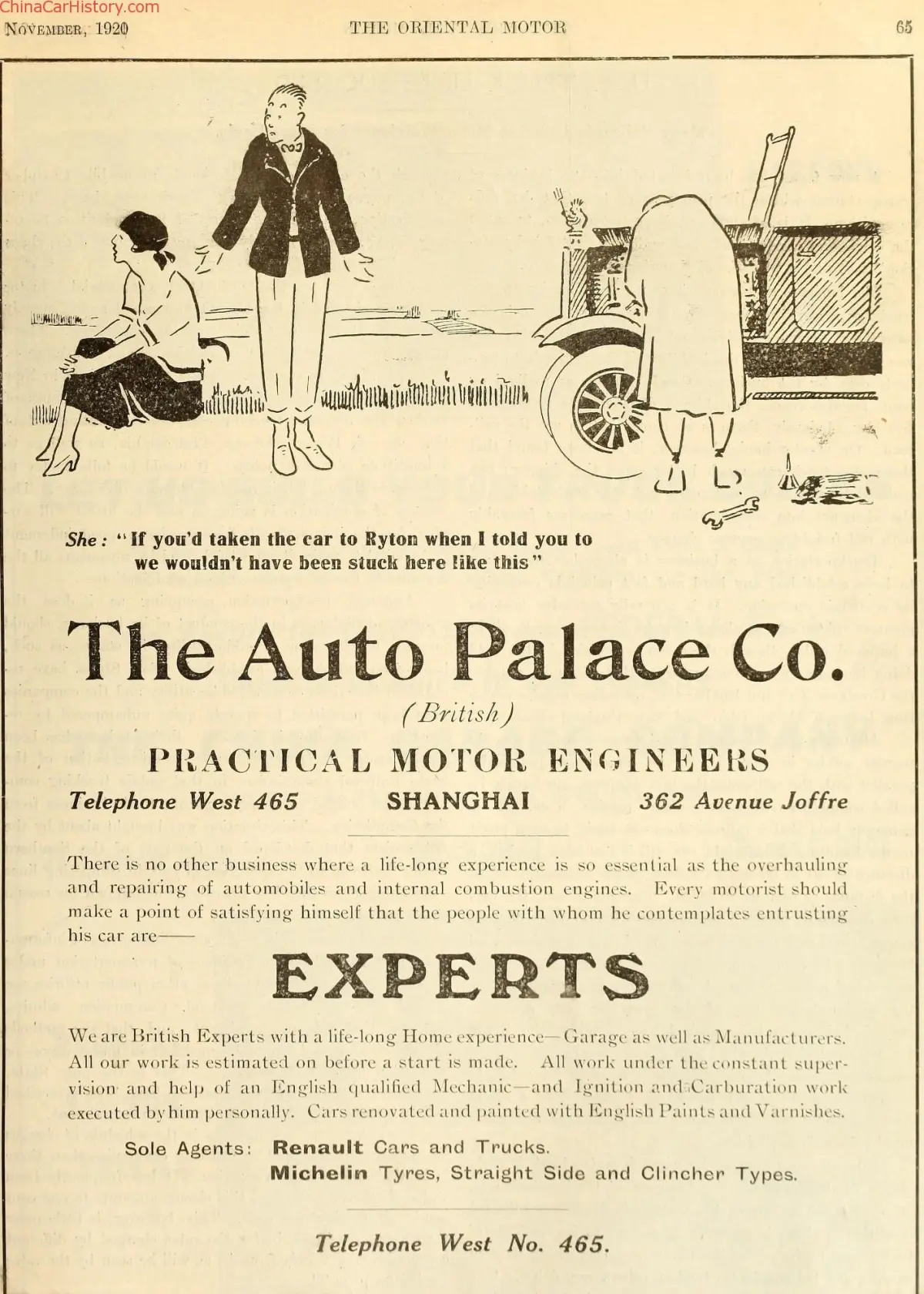
Morris Motors cars were imported by Auto Palace Company Ltd. (利威汽车行, Liwei Automobile Co.) Auto Palace company was also the importer of Michelin tires, as show on above 1920 ad (Thanks to chinacarhistory.com). It makes sense that Auto Palace company used it’s own products for promotion.

The level of details on this model is amazing. Some pictures must have been kept in the Michelin archives and used by the publisher for recreating the model series. No pictures of this vehicle are publicly available. In any case, this a really interesting piece of Old Shanghai and a great addition to my collection.

Below is a video IA created from a picture of the model picture, showing the car driving in old Shanghai.

Shanghailander articles are published on an irregular basis. To be notified when a new article is posted, subscribe to the newsletter using this link, or follow the Shanghailander Facebook page.

More about Shanghai Bretons

I recently wrote a post about Bretons in Shanghai in the late 1930s (see post “Bretons association in Old Shanghai” for more details). Then the current Association of the Bretons in Shanghai got in touch with me and shared some more info.

Most of the information was given by Henry Berthier, born in Shanghai in 1946, who shared some unique pictures taken by his grand mother who took part in the association. He confirmed the existence of the Jardin Bretons for a couple of years. He also mentionned a “Fête des provinces Françaises” July 1938 or 1939 to which Alsace, Normandie, Basque country and Brittany had representations. This matches previous information about French regional associations in Old Shanghai (see post for more information).

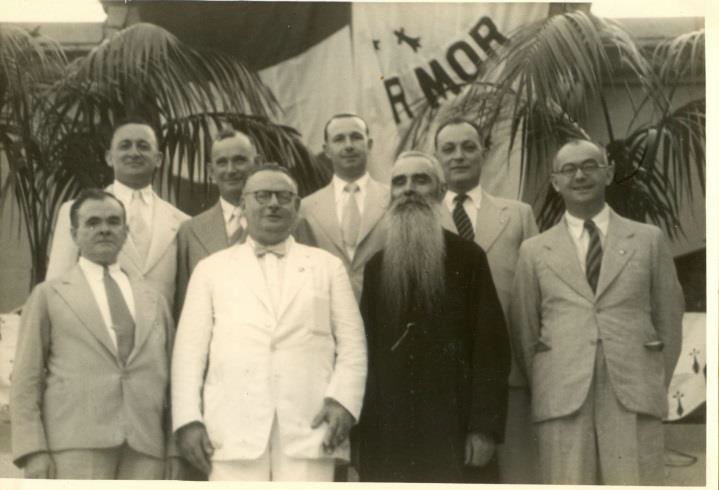
Armor Association 1938, the church person is probably Mr Auguste Haouissée. on his left is Auguste Chapelain

In the 1930s, the French community accounted for approximately 2500 people. About 50 Bretons families lived in Shanghai, around 350 people. Thus about 14%% of the French community was from Brittany. Most Bretons spoke Breton language at that time, along with French.

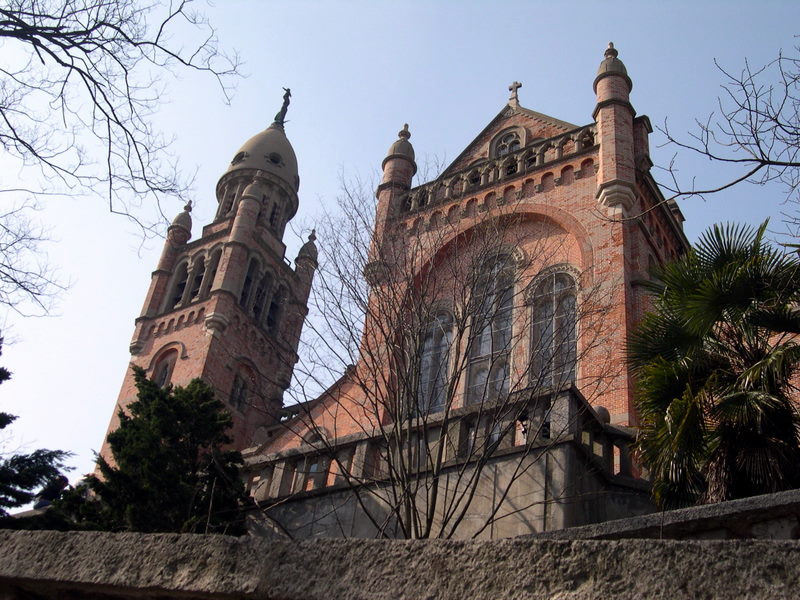
Many were working for the police (about 10 Bretons amongst 70 French officers), the French municipality, the CFTEE, and other private companies. The police and CFTEE often recruited former French sailors which were 90% Bretons. There were also military personnel and priest. Breton Auguste Haouissée (1847-1946) was a Jesuit missionary who became the first catholic bishop of Shanghai in 1928, opening the She Shan Basilica in 1935. Another notable character on the above picture is Auguste Chapelain, the general manager of the Chinese post office.

She Shan Basilica

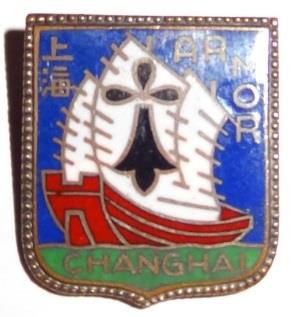
The Breton association Armor also had it own insignia featuring a chines ship with mention “上海”, “Changhai” and “Armor”.

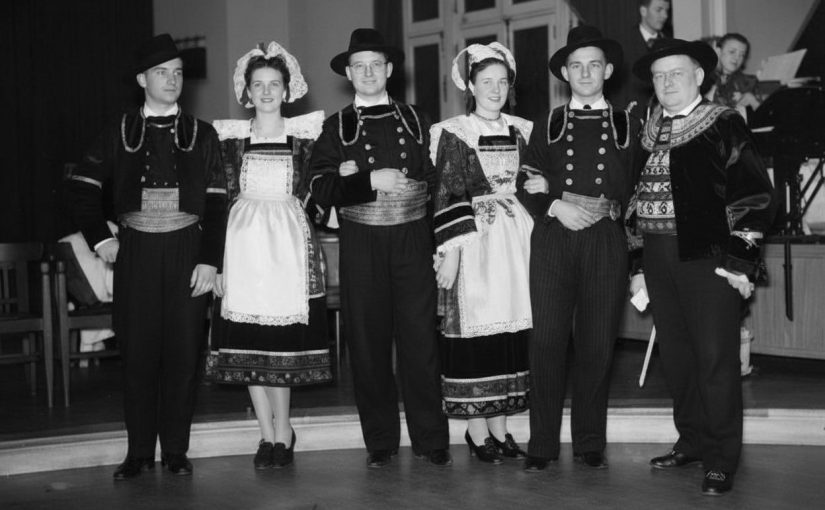
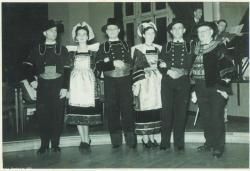
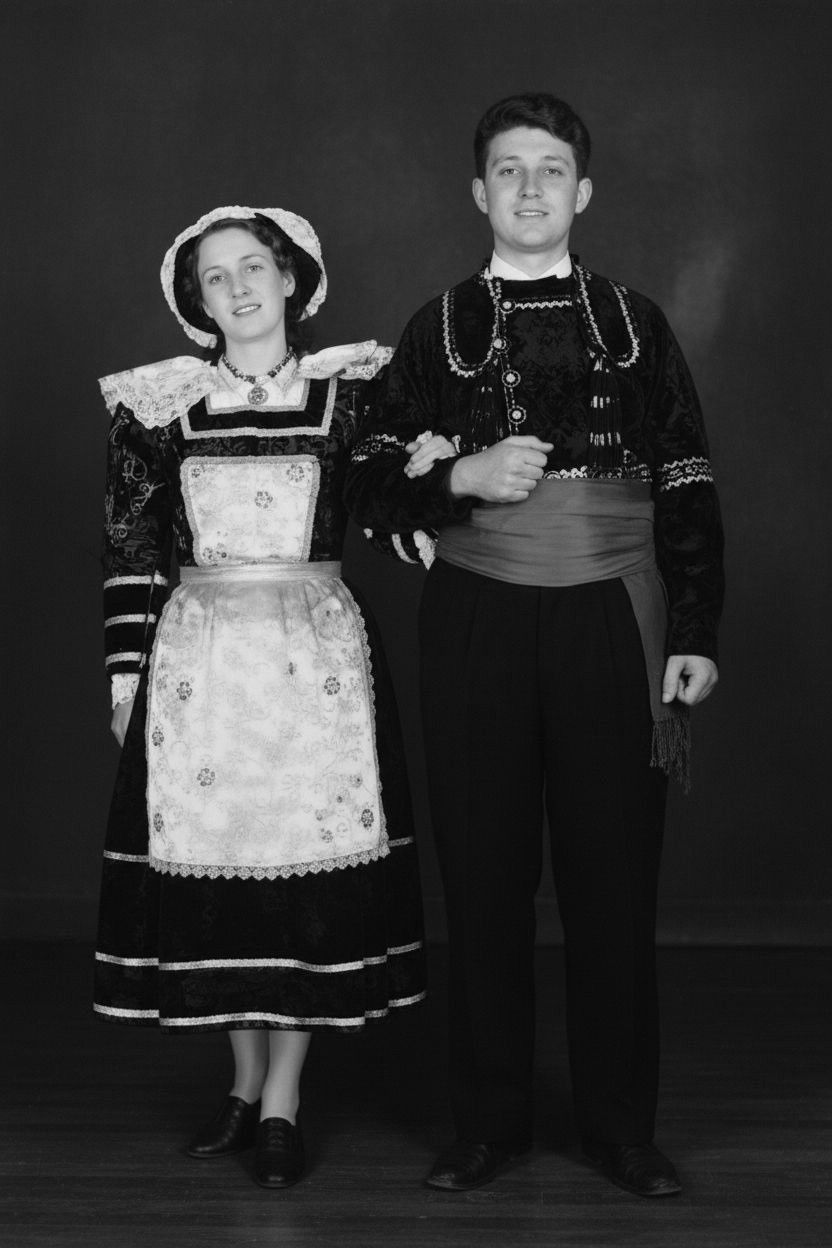
The association had parties where participants wore the traditionnal Bretons dress, in particular at Christmas. This was mentionned in “Le Journal de Shanghai” article quoted in the “Breton association in Old Shanghai” post.

Original photo of the Bretons Party in Old Shanghai
Original photo enhanced with AI

The Breton association continued to exist until the mid 1940s, when most of the civil servants were brought back to France as the French Concession was given back to China. As mentionned in previous post, a Breton association was formed again in 2004 in Shanghai and is still active today.

For further informations about the Breton association in Old Shanghai, go to post “Bretons association in Old Shanghai“.

Shanghailander articles are published on an irregular basis. To be notified when a new article is posted, subscribe to the newsletter using this link, or follow the Shanghailander Facebook page.

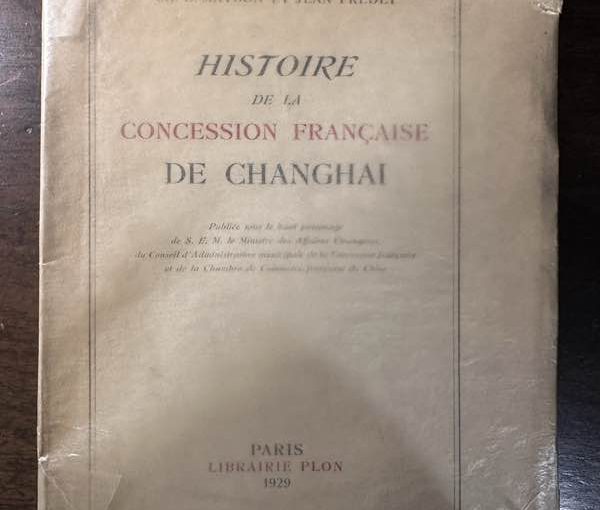
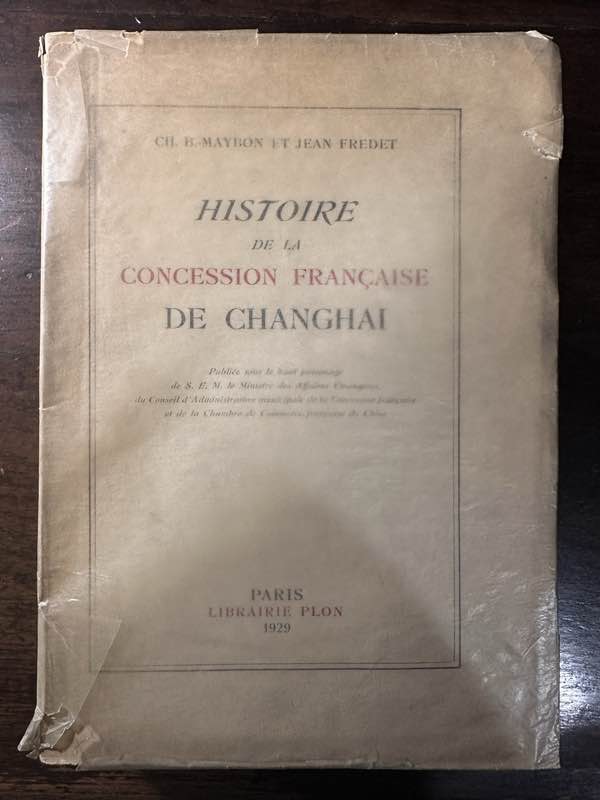
Histoire de la Concession Française de Changhai

One of the reference book about Shanghai history French book “Histoire de la Concession Française de Changhai” by Charles Maybon & Jean Fredet. I recently got an original copy during my last trip to France.

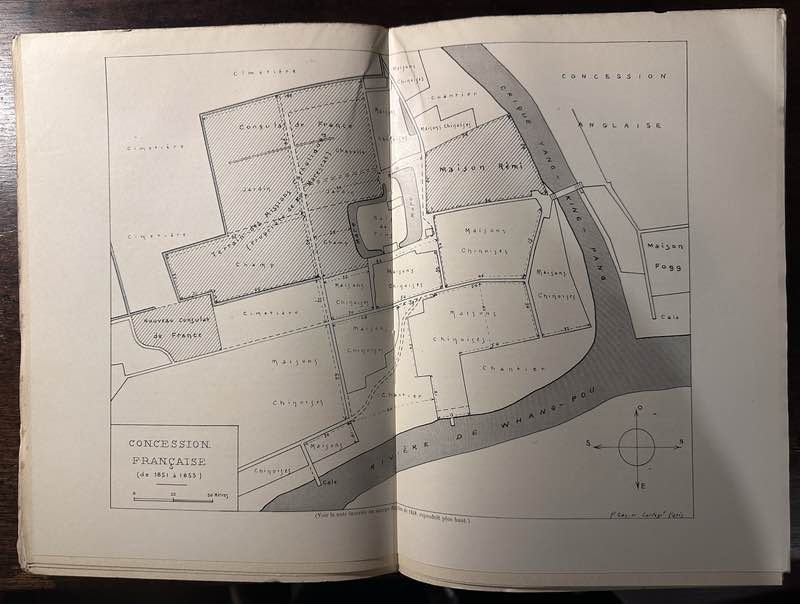
Although written in Shanghai, the book was published in Paris in 1929 by Paris publishing house Plon. It covers the history of the French Concession of Shanghai from its origin in 1848 and even before, until 1875. The book is highly detailed and includes many maps of the early French Concession, at a time it was only located around (French) Bund. Other books were planned but was never published as Charles Maybon passed away before publication of this one.

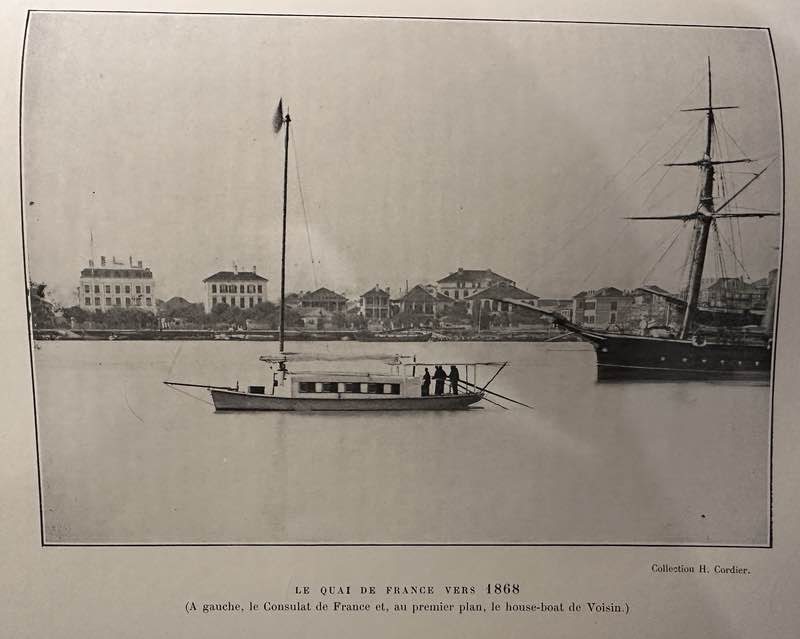
It also includes a number of photographs from the late 19th century, that are very rare. It shows the fast development of the city as none of the Bund building of the time have survived until today.

French Bund 1868

Another interesting point is the map of the early French Concession. The area then was only a small piece of land between the Chinese city and the early International Settlement. The French Consulate was not even on the river (more about this period in post “former Shanghai French Consulate“).

French Concession (1851 – 1853)

Like most books of that period, it was sold uncut. Large sheets of printed paper were folded into a book, then a binder would cut the edges as part of the biding process. Alternatively, the reader could cut the sheets while reading, showing how far he or she went in reading the book.

Uncut book

I was fortunate to get an uncut copy, meaning that it was never read before. As it was in great condition, I assume this copy has been sitting of the owner’s bookshelf for decades. As I want to keep it in original stage, I will not cut it either. Fortunately, a scanned copy of the book is available as a download from the site of the French National Library, which is also fully searchable. It is not as charming as my old copy but much more effective for research purposes. Follow this link to get it: https://gallica.bnf.fr/ark:/12148/bpt6k33623471#

Shanghailander articles are published on an irregular basis. To be notified when a new article is posted, subscribe to the newsletter using this link, or follow the Shanghailander Facebook page.

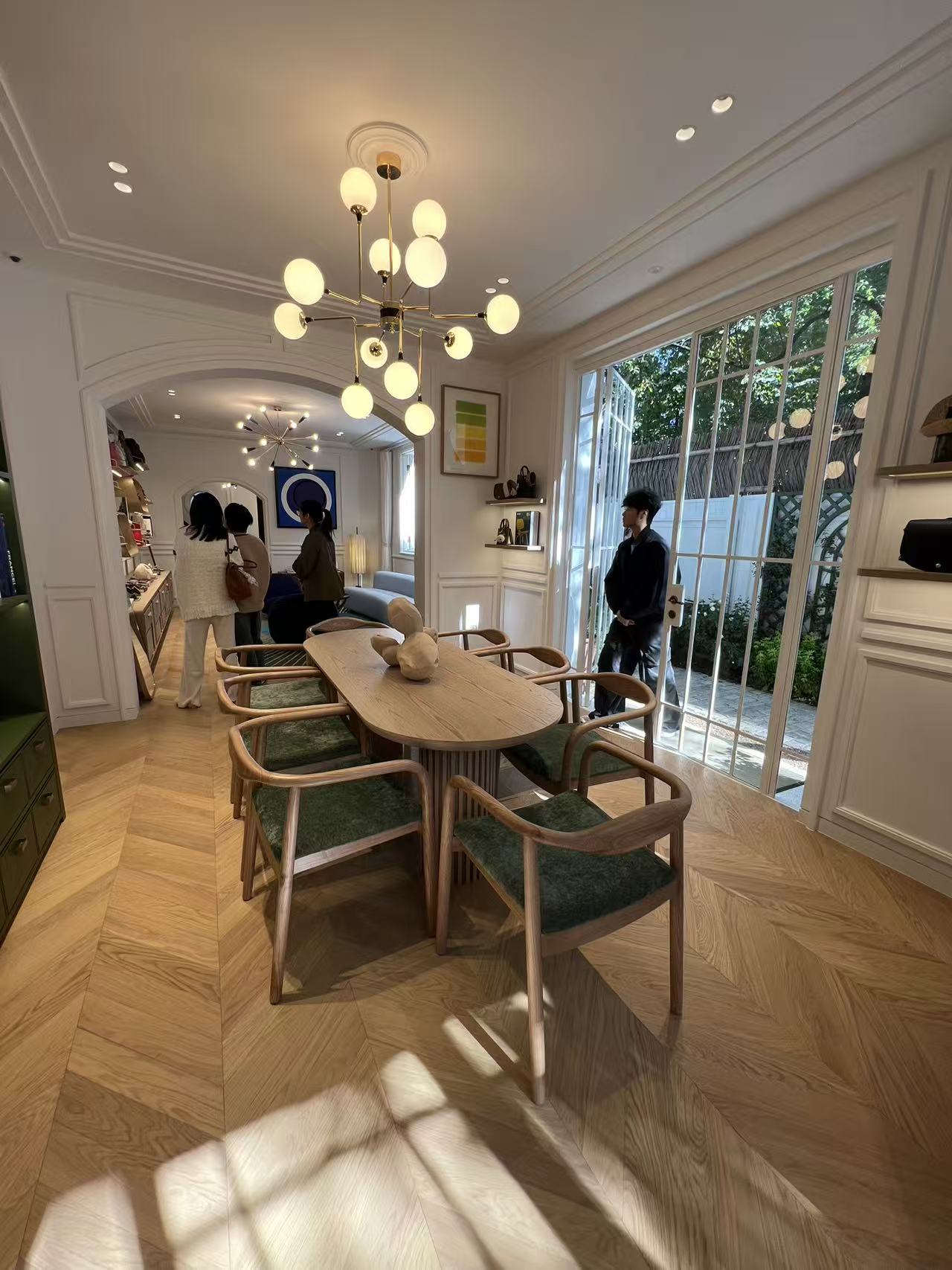
Longchamp house in the former French Concession

Luxury brands have been using old Shanghai houses to make stores or customer experience centers for a few years now. Although renovation does not always follow historical lines, it’s a great opportunity to preserve and open those old buildings to the public.

The earliest I can remember the opening of Three on the Bund, the pioneer of Bund old building renovation in 2003. It was followed by Bund 18 in late 2004. One massive project was the renovation of the twin villas on 796 Huai Hai Road by Richemont, that opened in 2008. The renovation was of the highest level, done by the same Italian company that did Bund 18. Another famous example is the Maison Hermes, taking over the building of the former Joffre police station on Huai Hai Road. The last one to come to mind was the Shanghai Tang store @ Cathay Cinema that has now disappeared.

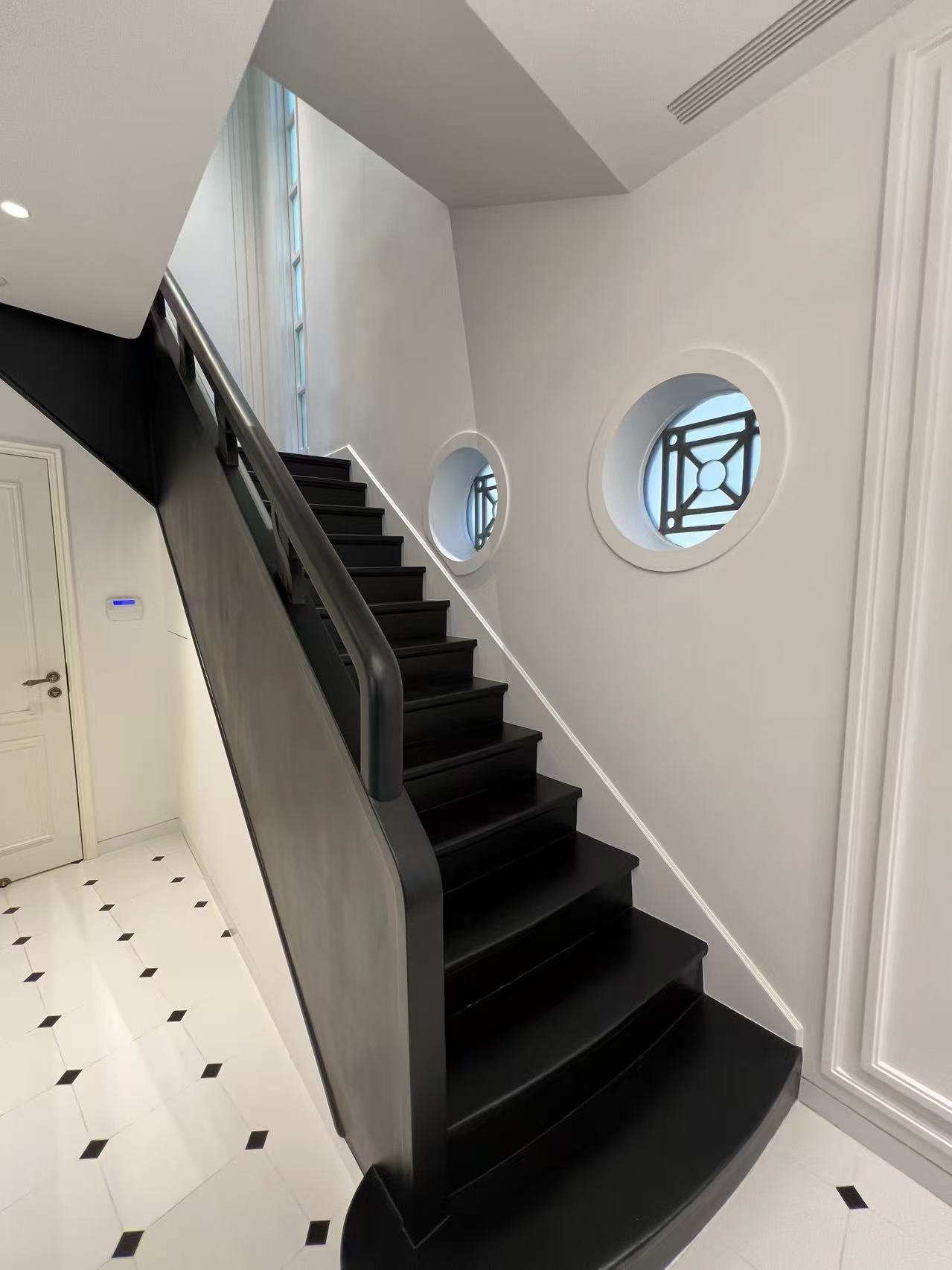
Walking in the street of the former French Concession, I came by random to the new Longchamp house 12 Wu Kang Lu. The outside of the art deco house has been well preserved. The house was built in 1948, one of the last Art Deco / modernist style. Details of the outside have been well preserved including the rot iron frame and balcony, as well as the bricks color.

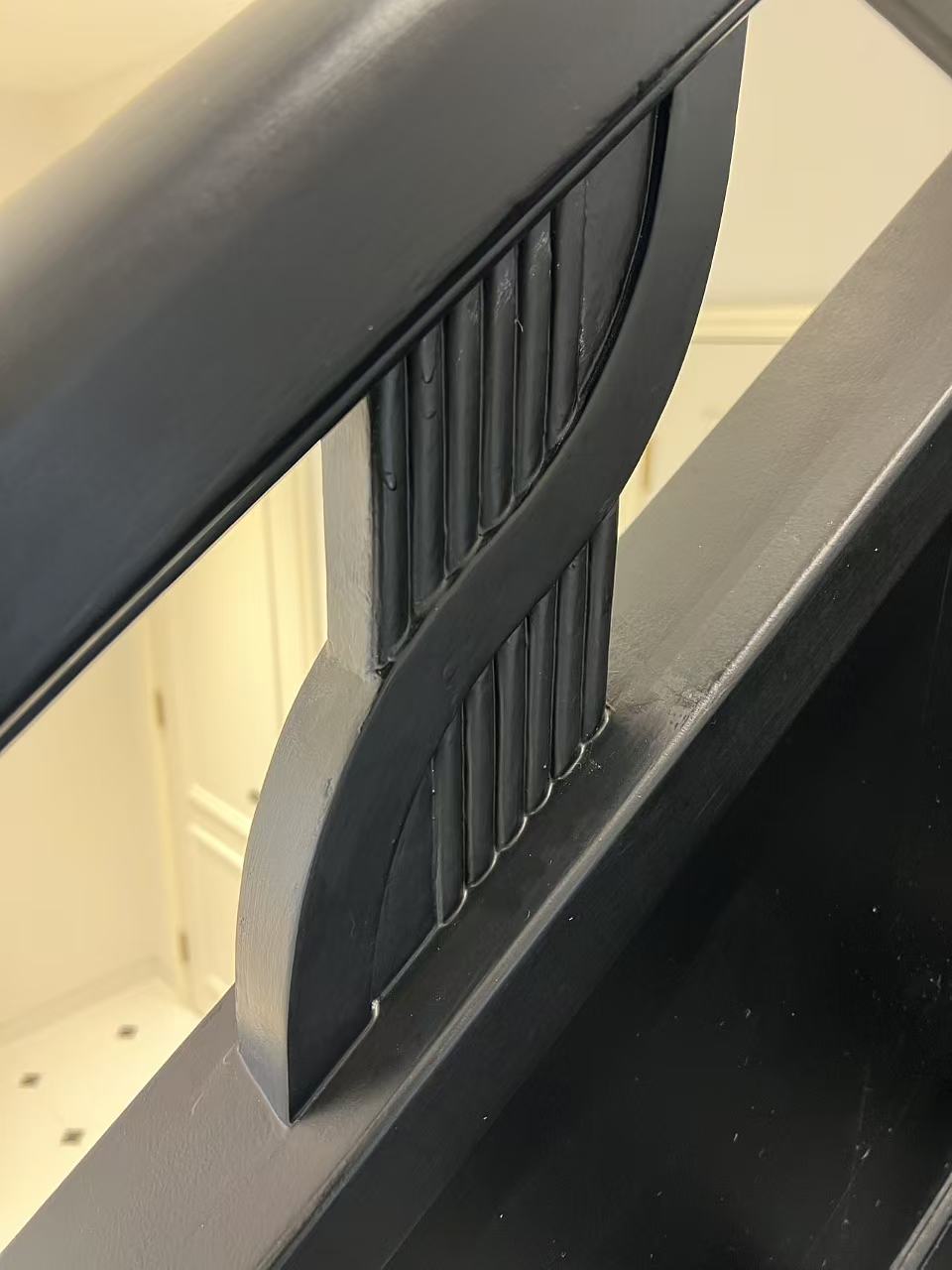
The inside has been totally renovated, still keeping the beautiful staircase.

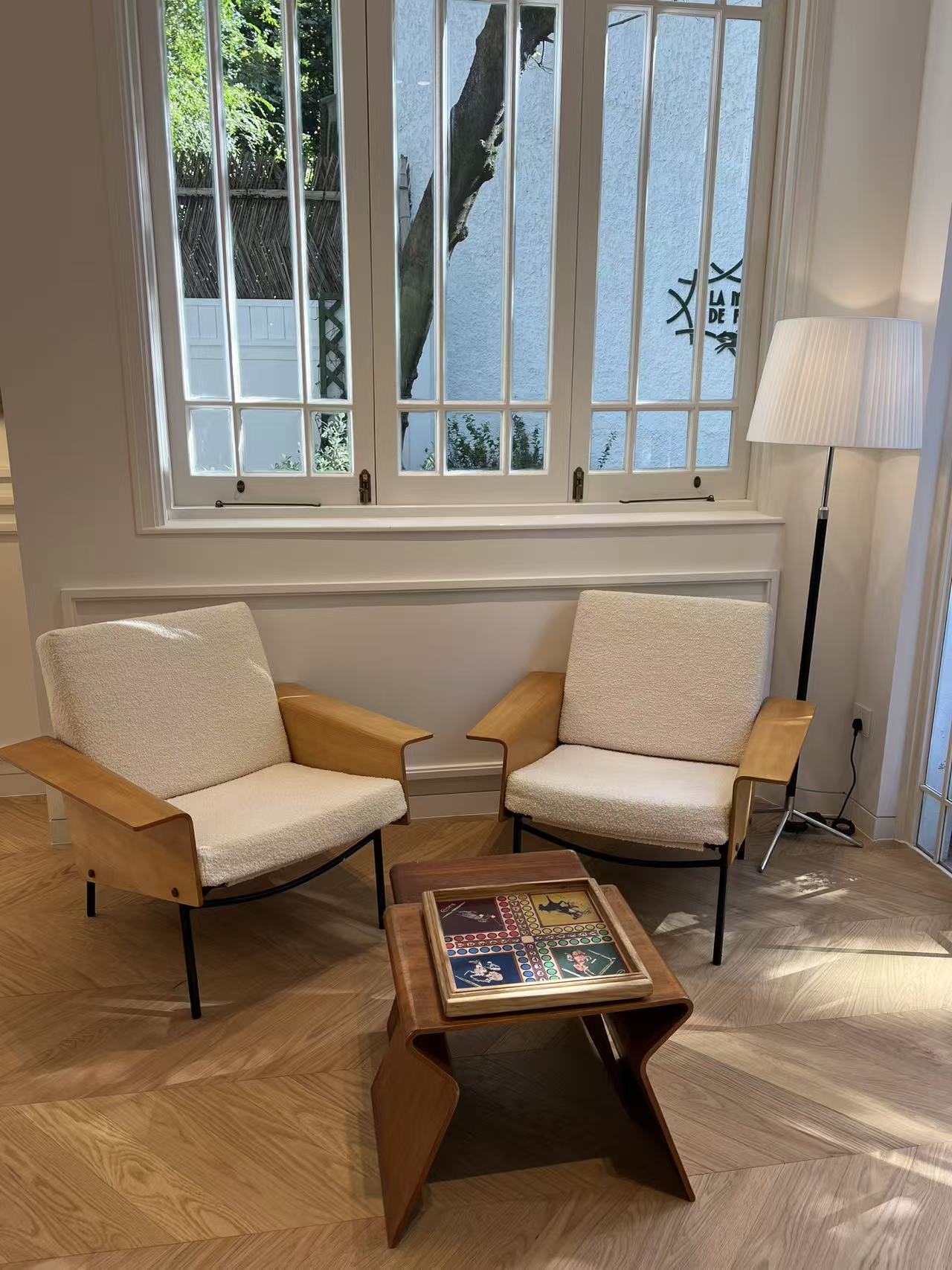
Original parts like the windows have been recreated with a fitting model, creating a new old and new atmosphere that fits the French brand well.

Shanghailander articles are published on an irregular basis. To be notified when a new article is posted, subscribe to the newsletter using this link, or follow the Shanghailander Facebook page.

人和館 / Renheguan

Looking for Old Shanghai style places, I ended up by invitation in Old Shanghai themed restaurant 人和館 / Renheguan.

Although it is located in a modern building (and not in an old house unfortunately), the owner has managed to recreate a great old Shanghai atmosphere. I went on a day when it was packed, and the whole place was bustling and Shanghainese language was all over the place… as it should be.

The restaurant is located on Zhao Jia Bang Lu, formerly the Zhaojia creek /  肇嘉浜, that used to be the separation between the French Concession and the South part of the Chinese city, called 南市. Old houses are located in the area, that was quite upscale in the 1930s so it’s a good place from a historical point of view.

Since the restaurant has 1 start Michelin, the food was excellent, well executed and delicious. This really felt like a short trip to Old Shanghai, reminding me of the now closed Xian Qiang Fang.

人和館 / Renheguan can be found at 407 Zhaojiabang Road / 肇嘉浜路407号.

Shanghailander articles are published on an irregular basis. To be notified when a new article is posted, subscribe to the newsletter using this link, or follow the Shanghailander Facebook page.

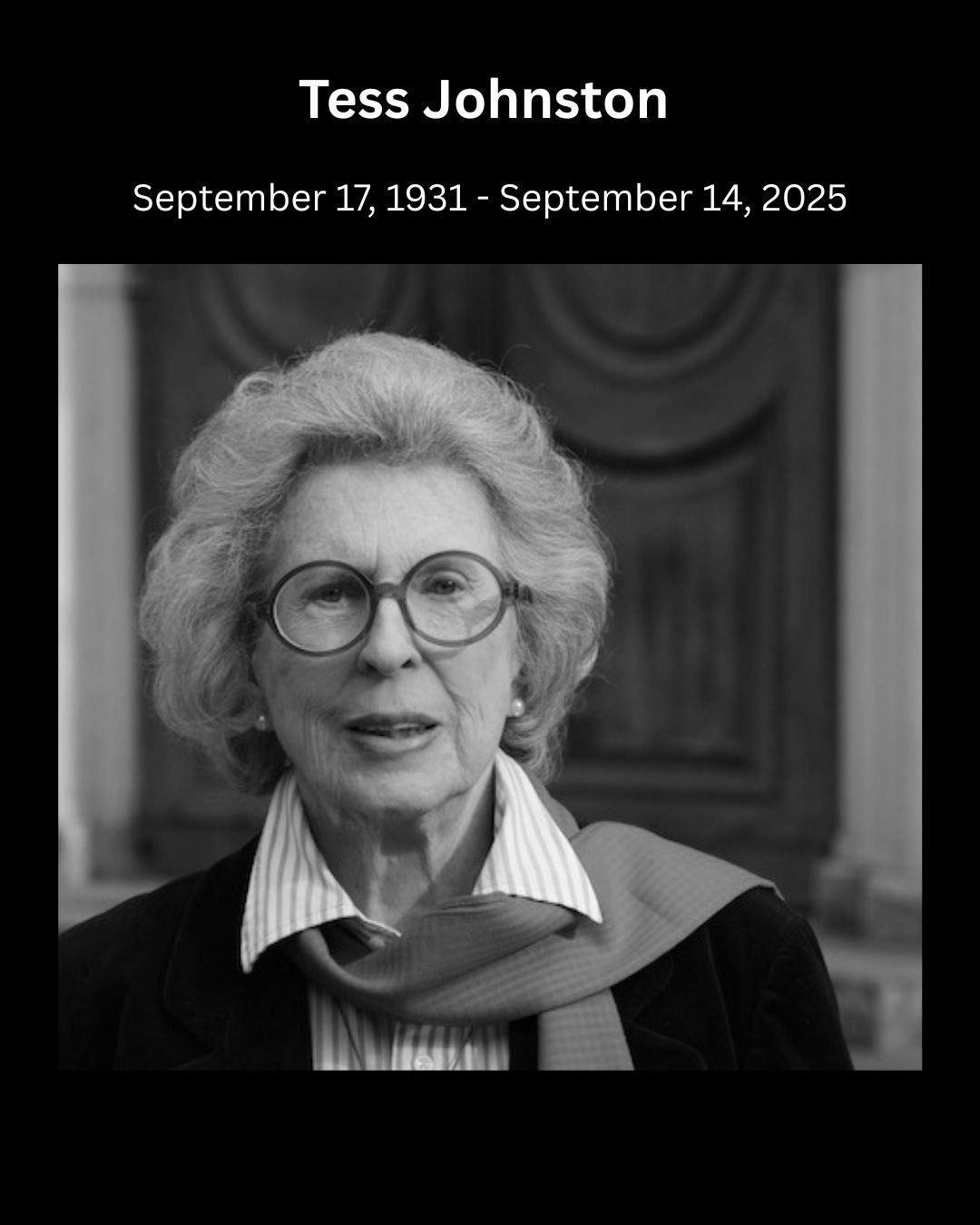
Farewell to Tess Johnston

This is with great sadness that I learned that Tess Johnston has passed away on 14 September 2025.

When she was born in Charlottesville, Virginia, in 1931, nobody could have predicted that Tess Johnston would fall in love with Shanghai and spend a large share of her life in this city. Working with the American diplomatic service, based in East Berlin and Saigon before reaching Shanghai in 1981. Fascinated by the city’s architecture frozen in time, she was one of the first foreigners to study it on location. After studying it for years, she turned her passion into a first book, along with photographer Deke Ehr / 尔东强, “A last look, Western architecture in Old Shanghai”, 1993.

This was the first book showing pictures of Shanghai historic architecture and research about the history of those buildings. It shed a new light on the city’s architecture and history. Knowledge of the city’s history was limited then and research was much harder before the internet but the book inspired lot’s of people and numerous projects contributing to better understand Old Shanghai. She became an inspiration for generations of amateur researchers (like me) and academics to dig deeper into Shanghai history.

The pair would write numerous other books focused on areas in Shanghai like “Frenchtown Shanghai”, 2000, focusing on the former French Concession. They also studied other former “treaty port” cities in China like Hankou, Qingdao, Tianjin, Xiamen, GuLangYu island and Canton. A new edition of the book “A last look” was published in 2004. Their last and best collaboration was “Shanghai Art Deco”, 2006.

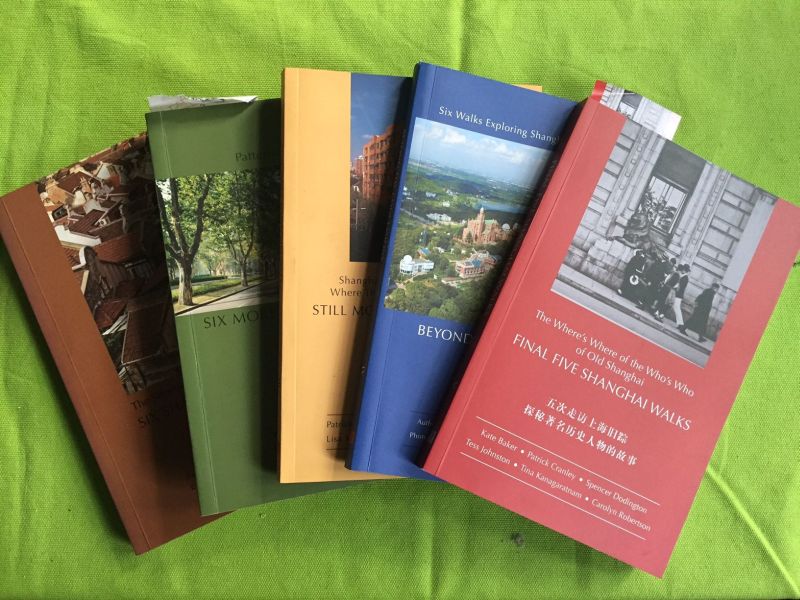
Her next project was a series of practical guide books about Old Shanghai, talking the shape of guided walks. Many of the experts on Old Shanghai collaborated to these books that are invaluable.

The Shanghai walks series

Although she was not originally from the city, Tess Johnston became the most knowledgeable person about Old Shanghai. She embodied it as much as people form the same generation who actually grew up in Shanghai like her friends Lynn Pan, Betty Bar, Rena Krasno and Sam Moshinsky. Although she did not grow up in Old Shanghai, it very much felt like she actually had.

Tess Johnston also used to give walking tour of Old Shanghai. I was lucky enough to take part to one in of those in 2012 (see post “Touring with a legend“). Aged 81 then, she was still full of energy and passion for the city, making this a memorable event as those tour became more and more rare. Although she left Shanghai a few years ago to go back to the US, her spirit never really left the city.

Shanghailander articles are published on an irregular basis. To be notified when a new article is posted, subscribe to the newsletter using this link, or follow the Shanghailander Facebook page.
Paris streamline building

The 1925 Exposition Internationale des Arts Décoratifs is seen as the spring box of the Art Deco style, from which it spread all over the World. At that time, it was mostly called modern style and evolved in various sub-branch. One of the later one is called “streamline design” in English, or “Style paquebot” (i.e. sealiner style) in French. I recently got an opportunity to visit a very specific paquebot style building in Paris, thanks to Paris Art Deco Society.

Located at 1 Rue Jacques-Callot, in Saint-Germain des Prés, the Callot building was designed by Roger-Henry Expert and completed in 1933. In the same year, Roger-Henry Expert also designed the passenger deck of the SS Normandie steamship, an Art Deco showcase. The Callot building was originally housing the architecture department of the nearby “Ecole des beaux-arts”. It is now one of the campuses of the architecture school ENSA-Paris Malaquais, thus it was an architecture school since conception until today.

It was extremely avant-garde at the time, and probably influenced many of the architecture students who then helped spreading the style all over the World. The ground floor space is an exhibition hall. The best spot of the building is probably the 5th floor offers a fantastic view over many Paris historical buildings.

View from the top floor

The metal structure supporting the glass roof looks quite similar to the structure of the Normandy building over the 1st class deck. Both were designed by the same architect. Tiling similar to the SS Normandie tiling style can also be found in Shanghai, see post “Déjà vu from Paris to Shanghai“.

Streamline design buildings were also built in Shanghai, the most visible being the former empire Mansion at the corner of Huai Hai lu / 淮海路 (the former Avenue Joffre) and Changshu Lu / 常熟路 (the former Route de Say-Zoong). Up the same street stands another steamship style building, not far from the former location of the “Jardin Français“. Another example was the Lafayette cinema that has recently disappeared (See post “Goodbye to Lafayette Cinema“).

Long after the end of streamline design in the late 1940s, the style was still popular in Shanghai. Many buildings form 1990s Shanghai still show remains of streamline design, as shown in post “Frankenstein Art Deco“, where the link with the original Callot building is still clearly visible.

The ground floor of the Callot building has an newly refurbished exhibition space that would be just right for a Art Deco exhibition. Hopefully such exhibition will happen soon.

French companies in 1920s and 30s in Shanghai

In the 1920s and 30s, the French economic presence in Shanghai was marked by a small group of large, influential companies. They made a major contribution to the development of the French Concession and supported France’s influence in China.

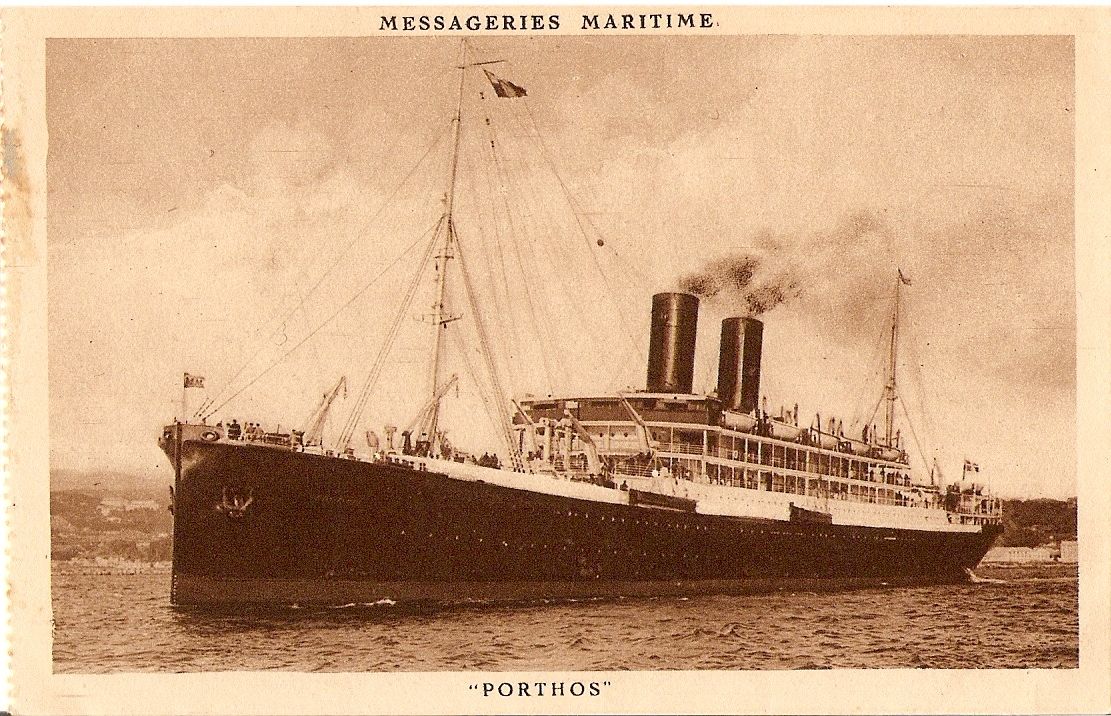
Messageries Maritimes: a vital link with France
Founded in 1862, Messageries Maritimes played a key role in transporting goods and passengers between France, Indochina and China. Based on the Bund, it enjoyed a virtual monopoly on the transport of tea and silk to Europe. Great figures such as Étienne Sigaut and Jean Cochet have marked the history of this company, which has also experienced tragedies, such as the sinking of the Georges Philippar in 1932, in which the famous reporter Albert Londres perished. Messageries maritimes helped form the CMA-CGM group, France’s leading shipping company. (For more information on the MM, see post : “2 months in rationnaire”).

Compagnie Française de Tramways et d’Éclairage Électrique: Essential Infrastructure
Created in 1906 with the support of the Banque de l’Indochine, this company managed the tramway network and electricity supply for the French Concession. It experienced tensions with local authorities, particularly in the 1920s and 1930s, and had to deal with several strikes. Despite these challenges, the CFTEE became one of the largest French industrial companies in the Far East. Listed on the Paris stock exchange and regarded as a “Père de famille” stock, it had to cease trading abruptly in the 1950s.

I once found electricity bills from 1940s issued by the CFTEE. See post “Unpaid bills” for more details.

Banque de l’Indochine: a financial pillar in Shanghai
Founded in 1875, Banque de l’Indochine quickly established itself as a major player in Shanghai’s commerce and finance. In 1898, it opened a branch in the Jardine Matheson building, offering financial services crucial to the opium, cotton and silk trades. In the 1930s, 93.5% of its profits in Shanghai came from foreign exchange and trading operations. Banque de l’Indochine merged with Banque de Suez to create Banque Indosuez.

The International Savings Society: A French success story in Shanghai
Founded in 1912 by René Fano and Jean Beudin, this savings and lottery society expanded rapidly. By 1930, it had 130,000 subscribers and diversified into insurance through Assurance Franco-Asiatique. Personalities such as Étienne Sigaut and Michel Speelman were instrumental in the company’s growth. Faced with major difficulties, ISS disappeared in the 1950s.

The Gascogne apartments built by FONCIM

FONCIM: Shanghai’s architectural heritage
A subsidiary of ISS, FONCIM left an indelible architectural mark on Shanghai. Drawing on the talents of renowned architects such as Léonard, Vesseyre and Laszlo Hudec, it contributed to the rapid urbanization of the French Concession, particularly after the 1917 expansion. Financed by ISS profits, FONCIM was one of the main landowners. FONCIM houses and apartments were often leased to other French companies to house their staff. One example is the CFTEE leasing houses from FONCIM.

The Bouvier Empire: a dominant figure in Shanghai
Félix Bouvier, an accountant turned influential entrepreneur, left his mark on Shanghai with his investments in Grand Garage Français and Union Mobilière. He was most famous for creating the Champs de Course Français (also called “Le Canidrome”), a betting center for greyhound racing. Nicknamed “the uncrowned king of the French of Shanghai”, he had close ties with Du Yue Cheng, an influential and sulphureous figure in the Chinese business world.

Import-export companies: a flourishing trade
Several French companies played a central role in the import-export of a variety of products: Olivier Chine was a major exporter of tea and silk. Racine & Cie, and Egal & Cie dominated the wine and food trade. In 1934, France exported 31,000 liters of champagne, 25,000 liters of bottled wine and 762,000 liters of bulk wine to Shanghai, illustrating the importance of this trade. For more information this topic, see article “French wines in Old Shanghai”.

The former Normandy building, now Wukang da lou / 武康大楼

What remains today?
The Messageries Maritimes building still stands on the Bund. Streetcars disappeared from Shanghai in the 70s, but some trolley-bus lines still follow the same route. French companies, especially FONCIM, left their mark on Shanghai’s architecture. Most of the Art Deco buildings in the former French Concession are attributed to them, including Le Gascogne, Le Dauphiné and le Normandie (now called WuKang Da Lou / 武康大楼).

Shanghailander articles are published on an irregular basis. To be notified when a new article is posted, subscribe to the newsletter using this link, or follow the Shanghailander Facebook page

Route Kaufmann, Frenchtown

In more than 20 years in Shanghai (and counting), I spent many years in the former French concession but one location in particular remains a clear favorite. This was on Route Kaufmann (today Anting lu / 安亭路), where I spent 10 years. Living at the back a small lane really felt like living in Old Shanghai, and many post of this blog were inspired by the area.

Named after a former Yunnan Postal Service officer who was killed during WW1, Route Kaufmann was a wealthy and eclectic area. It was also very international as confirmed by a friend whose Chinese professor in the US once lived on Route Kaufman before 1949. This was still a fantastic place to live around 2010, and it took a real effort to move out as explained in post “Leaving Route Kaufmann“.

Location of Route Kaufmann 1913 (red dot)

As shown as above map from 1913, this area was the countryside when the French Concession was officially extended in 1914. As Route Kaufmann is on the western side of the French Concession, it was probably divided in plots and occupied from the mid 1920s. This area of the French Concession was divided in blocks that were sold to developers.

A large part of the West side of the road was sold to FONCIM that ordered design from Léonard & Veysseyre. Some of these houses where already described in a series of posts (see posts “Portrait of an old neighbour” and “Meet the twin sister” for more details).

French style house on 130 Route Kaufmann, designed by LVK

The FONCIM plot probably also included Route Cohen (Gao An Lu / 高安路), that runs parallel to Route Kaufmann on the Western side. The West side of Route Cohen also counts many buildings developed by FONCIM with design from LVK, mostly apartment buildings.

FONCIM buildings on Route Cohen, designed by LVK

On the East side of route Kaufmann, a large share was sold to Asia Realty Company (ARCO), an American real estate company that flourished in Shanghai at that time. The East side is also the location of the King’s Lynn Apartments where Chester Fritz and Bernardine Szold Fritz, lived for a while. The cadastre shows this plot as property of ARCO, although I have not seen ARCO sign like on Brooklyn Court, another ARCO property.

King’s Lynn apartments

On the East side, ARCO commissioned Hungarian architect Laszlo Hudec to create houses on the plot between Route Kaufmann and Route Dufour (today Wulumuqi Lu /乌鲁木齐南路), with some on the Eastern side of Route Dufour.

Hudec buildings West of Route Dufour

The list of inhabitants of rue Kaufmann in 1933 shows that many people lived on 9 Rue Kaufmann, which is the above mentioned King’s Lynn apartment. Chester Fritz had already left the building on that year. The Lubeck family, of one of the director of the CFTEE, Carlos Lubeck is also mentioned at number 132. I was also told that Ma Ying-chi / 马英驰, the minister of Justice of Republican China lived in 130 at some point, but in 1933 this was the home of the reverend F. Rawlison.

There is a large gap between #4 and #126. Although the cadastre shows that the land between these number was already divided, many of the buildings on the streets were not built yet. For example, the large Art Deco House located on 46 Anting lu now part of the Anting Villa Hotel, was not built yet. Similarly, on the odd side, nothing much seem to exist besides #9.

Another missing part then was today’s Anting Lu 81, the lane were I used to live in. While living there, I realized that our small lane had its own name on French Concession maps. It was called Rue d’Adina, Route d’Adina, or sometimes “Route privée d’Adina”, Chinese name was 安地那路. This was very unusual for Shanghai street name, so I started to research it. This will be the topic of further posts.

Les terres du mal

After “Le music-hall des espions“, Bruno Birolli published the second book of the Shanghai suite, “Les terres du mal”. Taking place a few years later than the first book of the series, this episode takes us again in 1930s Shanghai between gangsters and Shanghai inhabitants, both foreign and Chinese.

Book cover, les terres du mal

Main characters René Desfossés comes back, not in the French police anymore, but working for a large company. Archibald Swindon is also back, now in the role of heading the British secret service in Shanghai, mainly looking for communists agents. They find themselves tackling crime again, playing between the International Settlement and the French concession. A new character is introduced with communist agent “Hannah”. The book focuses a lot on movie studios and actress in Old Shanghai, with several characters inspired real characters like star “Lingyu” from Old Shanghai actress Ruan Lingyu / 阮玲玉 and aspiring actress Lan Ping who ends up leaving Shanghai to join communists rebels in Yan’An, inspired by Mao Zedong’s wife Jiang Qing / 江青.

Just like the first one, Birolli’s book includes a lot of details about Old Shanghai proving is in-depth knowledge of the topic. The story is very well documented, with characters inspired by real life people of the time. However, it is less interesting than in the first book, and a little too predictable. It is a fair read for all Shanghai lovers, but may not be so interesting for people unfamiliar with the topic. “Les terres du mal” is published in French only.